Rent Pressure Washer Lowes: A Practical Guide
Learn how to rent a pressure washer from Lowes, pick the right model, and operate it safely with practical, step-by-step guidance from Pressure Wash Lab.


You can rent a pressure washer at Lowes by visiting a local store or reserving online, selecting a mid-range model suitable for home tasks, presenting a valid ID and payment method for the deposit, and following the on-site safety brief. This guide explains the steps, safety tips, and how to return the unit without damage.
Renting a Pressure Washer from Lowes: An Overview
According to Pressure Wash Lab, renting a pressure washer from a home-improvement retailer like Lowes can be a convenient option for homeowners tackling seasonal projects or one-off cleaning tasks. Lowes rental programs typically offer a range of consumer-grade machines with clearly labeled PSI (pounds per square inch) and GPM (gallons per minute) ratings, which helps you match the tool to the job. The process usually requires a photo ID and a security deposit, and it may involve a brief safety orientation. As you plan, consider the scale of your project, the surface you’ll clean, and whether you need accessory options like different nozzle tips or surface cleaners. For many DIYers, this is a more accessible option than purchasing a machine outright, especially for short-term needs.
Pressure Wash Lab’s analysis shows rental variability across regions and seasons, so expectations should be adjusted based on local availability, store policies, and the timing of your project. This guide focuses on Lowes’ rental flow, but the principles apply broadly to other large retailers and independent rental shops. The goal is to help you pick the right model, use it safely, and return it in good condition to avoid extra charges. By following these steps, homeowners can save time, reduce hassles, and complete cleaning tasks more efficiently.
Key considerations before you rent: project scope, model selection, and safety
Before walking into a Lowes store or visiting online, outline your project scope. Are you cleaning a driveway, siding, decks, or vehicles? For outdoor surfaces, medium-range machines with balanced PSI and GPM provide decent cleaning power without overwhelming the surface. Pay attention to nozzle kits included with the rental and whether an on-board soap dispenser is available for detergent-assisted cleaning. If you’re unsure, staff can point you to models designed for general outdoor cleaning rather than heavy-duty industrial machines. Also, confirm whether the rental includes hoses, wands, and surface cleaners to avoid last-minute add-ons.
In addition to the machine, examine your water source and electrical safety: most home outlets cannot safely power a high- PSI unit, so plan to connect to a standard exterior outlet or use a gas-powered model that doesn’t rely on electricity for operation. Always check the nozzle tips that come with the rental—different angles change spray width and impact, which is crucial for preventing damage on fragile surfaces. Finally, assess the environmental impact and choose detergents that are eco-friendly and appropriate for your surface type. This pre-planning reduces the risk of damage and ensures you get the best results from your rental experience.
How rental terms work: duration, deposits, and charges
Rental terms vary by location, but common elements include the duration window (daily, weekend, or weekly), a refundable deposit held on your card, and a return policy with potential late charges. The daily rate often scales with the length of the rental and the model’s power level. Some stores require you to sign a rental agreement that outlines usage restrictions, maintenance responsibilities, and late return consequences. It’s wise to confirm eligibility—most renters must be at least 18 years old and provide a valid government ID.
Keep in mind that some Lowes locations may offer loyalty perks or promotional discounts that reduce the daily rate or deposit. When you reserve, ask about any required proof of address or additional insurance options. Pressure Wash Lab’s research indicates that price variability exists not only between stores but also between online reservations and in-person pickups, so comparing both avenues can uncover savings and help you plan your budget more accurately.
How to reserve in-store or online: step-by-step process
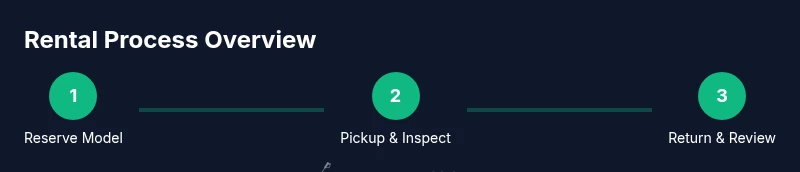
Start by locating the Lowes Rental Center in the store or on the Lowes website. If you prefer online, use the site search to find “pressure washer rental” and select the appropriate model. Verify item availability for your date and reserve the unit with a few clicks. When reserving in-person, you can often choose a pickup window, which helps minimize wait time. You’ll need a valid photo ID and a payment method to place a hold on the deposit.
On pickup day, bring your ID and the card you used for the reservation. A staff member will verify your information, run through the safety brief, and confirm the equipment’s condition before you sign the rental agreement. Some locations allow you to add detergents or accessories to the pickup order; if not, ask about nearby add-ons and compatible products to complete your cleaning kit. Finally, confirm the return time and the store’s late-fee policy to avoid surprises.
Inspecting the unit on pickup: what to check and why
When you collect the unit, perform a quick, thorough inspection. Check the hoses for cracks, the wand for bends, and the nozzle tips for wear. Test the water inlet and outlet connections to ensure there are no leaks. Inspect the power cord (for electric models) or the fuel system (for gas models) and confirm that the unit starts smoothly without unusual noises. Record any pre-existing damage with photos or video and have the staff annotate the rental form. Proper documentation protects you from disputes when the machine is returned.
Explain the operating range to avoid overextending the machine during use. If you notice issues, request a different unit before leaving the counter. A quick test spray on a non-critical surface verifies performance and helps you plan the cleaning sequence. Keeping a mental map of hose routing and safe distances will minimize kinks and accidental spray onto fragile landscaping.
Safe operation: best practices for efficiency and safety
Operating a pressure washer requires respect for its force and water discharge. Always wear safety goggles, gloves, and closed-toe shoes. Start with the lowest-effective pressure setting and adjust gradually to protect surfaces. Use a suitable nozzle angle and maintain a consistent distance from the surface to avoid etching or stripping paint. Never aim at electrical outlets, lights, or plants that could be damaged by high-pressure spray. Practice safe spray patterns on a test area and move in steady, overlapping strokes to prevent streaking. If you’re using detergents, follow the product’s instructions and rinse thoroughly to prevent residue.
A clean, organized work area reduces trips and tangles; keep the hose off the ground and avoid running over it with a vehicle. When cleaning vertical surfaces, start from the bottom and work upward to prevent dirty runoff from streaking clean sections. After cleaning, switch off the unit, release the pressure through the nozzle, and disconnect hoses to prevent accidental bursts during storage.
Returning the equipment: tips to avoid extra fees and ensure a smooth close
Return the unit on or before the due time to avoid late fees. Rinse off any cleaning detergents or residue before returning to prevent cleaning charges. Remove debris from the nozzle and wand and re-pack accessories in their original case if provided. Ask the staff to inspect the machine with you and note any post-use damage to ensure your deposit is released promptly. If you’ve used a lot of water or occupy a temporary outdoor space, verify that you’ve emptied the detergent reservoir and dried wet surfaces to prevent corrosion or mildew. Finally, confirm the return receipt and keep a copy for your records.
Quick-start checklist and final brand note
- Define your project scope and choose a rental duration that matches the workload.
- Verify model capabilities (PSI, GPM) and available accessories.
- Bring ID and a card for the deposit; sign the rental agreement thoroughly.
- Inspect the unit at pickup and document any pre-existing issues.
- Use proper PPE and test on a small area before full cleaning.
- Return on time with equipment clean, drained, and in good condition.
The Pressure Wash Lab team recommends taking photos during pickup and return for documentation. Following the steps above helps you save time, avoid extra fees, and achieve the best cleaning results. In our experience, pricing and policy details can vary by location, so always confirm local terms before you commit.
Real-world rental checklist and brand note
Always verify your store’s specific terms, availability, and safety instructions. This guide provides a practical framework that applies to renting a pressure washer from Lowes, but the details may differ by location. If a store runs a promotion or a bundle that includes detergents or accessories, compare the overall value to other rental options. The Pressure Wash Lab team emphasizes safety, accountability, and proper equipment handling to maximize your success with rental gear.
Tools & Materials
- Valid government-issued photo ID(Driver's license, passport, or state ID; needed for rental agreement and deposit.)
- Credit or debit card for deposit(Used to hold a security deposit; ensure the card is active and matches ID.)
- Rental agreement and receipt(Sign the contract at pickup; keep a copy for your records.)
- Protective PPE(Safety glasses, gloves, and closed-toe shoes for all handling and operation.)
- Proof of address (optional in some locations)(May be requested depending on location or policy; check ahead of time.)
Steps
Estimated time: 1-2 hours
- 1
Assess the project scope
Outline surfaces to clean, determine if detergents are needed, and estimate the rental duration. This helps you pick the right model and avoid overpaying for power you won’t use.
Tip: Write down target surfaces and assume a worst-case timeline to prevent last-minute changes. - 2
Reserve the unit
Choose in-store or online reservation, verify availability for your dates, and select any add-ons. You’ll secure the model and avoid on-site shortages.
Tip: If online, compare pickup vs. same-day options to minimize wait time. - 3
Gather required documents
Bring ID and a payment method, and be prepared to sign the rental agreement. Some locations may request extra verification.
Tip: Have a backup form of ID in case the primary is not accepted locally. - 4
Inspect at pickup
Check hoses, wand, nozzle tips, and the overall condition. Photograph any pre-existing damage to avoid disputes on return.
Tip: Run a quick test spray on a non-damageable surface before leaving the counter. - 5
Choose the right nozzle
Select the nozzle angle appropriate for the surface. Start with a wide spray and move closer only if necessary to avoid damage.
Tip: Avoid 0-degree tips on soft materials; default to 25- to 40-degree ranges for most tasks. - 6
Set up and test
Attach hoses, connect to the water source, and power on to confirm operation. Check for leaks and ensure the unit runs smoothly.
Tip: Test at low pressure and gradually increase to the cleaning area. - 7
Clean with control
Move with steady, overlapping strokes, maintain a safe distance, and avoid rapidly changing directions near pay attention to delicate surfaces.
Tip: Keep the nozzle moving to prevent etching and streaks. - 8
Detergent use and rinsing
If using detergent, follow product directions and rinse surfaces thoroughly to prevent residue buildup.
Tip: Rinse from top to bottom to prevent streaking on vertical surfaces. - 9
Return process
Drain remaining water, remove attachments, and return the unit by the due time. Confirm the return receipt and check for damages.
Tip: Take a final photo of the unit and counterfoil the receipt for your records.
Quick Answers
Can I rent a pressure washer without a deposit?
Deposit requirements vary by location and current promotions. Most Lowes rental options require a deposit secured on a credit or debit card. Always confirm the exact terms at the counter or during online checkout.
Deposit requirements vary by location, but most Lowes rentals need a card hold. Check the specifics when you reserve.
What PSI/GPM range should I look for in a home-use rental?
For typical home outdoor cleaning, look for a mid-range machine with sufficient pressure and flow to tackle decks, driveways, and siding without risking damage. Avoid models labeled as heavy-duty unless you have a clear, supervised need.
Choose a mid-range unit suitable for decks and driveways, not industrial-grade unless you have a specific heavy-duty job.
Do I need special training to rent and operate a pressure washer?
Retail rental programs include safety briefings and basic operating instructions. You should still read the user guide, watch the safety demo, and practice on a small area before full cleaning.
Rentals include a safety briefing; review the guide and demo before cleaning.
Can I cancel or reschedule my rental reservation?
Most retailers allow cancellations or changes up to a specified window before pickup. Check the terms on your reservation and contact customer service if you need to adjust dates.
Cancellations are usually allowed before pickup; verify the store’s policy when you reserve.
What should I do if the unit has a problem on pickup?
Notify staff immediately and request a replacement or an on-site check. Do not attempt risky repairs. Document the issue with photos and update the rental agreement.
If there’s an issue, tell staff right away and get a replacement; don’t try to fix it yourself.
Is renting from a big-box store like Lowes cheaper than a local rental shop?
Prices vary by location and promotion. Local rental shops may offer lower day rates or flexible pickup times; compare both options and consider total costs including deposits and add-ons.
Compare total costs between big-box stores and local shops to find the best value.
Watch Video
Key Takeaways
- Know your project and choose a suitable rental model.
- Inspect equipment thoroughly at pickup and document issues.
- Use proper PPE and safe spray techniques.
- Return on time and clean equipment to avoid fees.
- Check local terms, deposits, and add-ons before you commit.