Where to Rent a Pressure Washer: A Practical Guide
Find practical guidance on where to rent a pressure washer, what to evaluate, and how to compare options. Includes price ranges, PSI guidance, delivery, and regional considerations from Pressure Wash Lab.


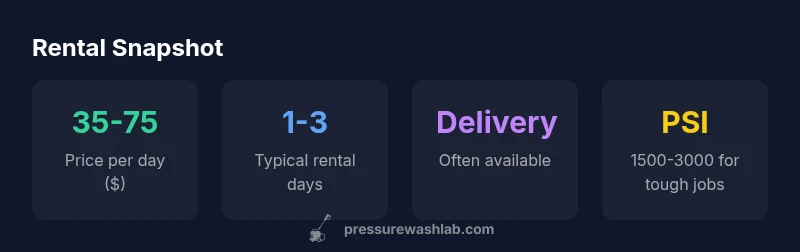
Where rent a pressure washer? You can rent from big-box home improvement stores, local tool rental shops, and online marketplaces. Typical daily rates range from $35 to $75, with a refundable deposit and a fuel/delivery option depending on location. For long projects, weekly rates and weekend specials are common.
Why Renting Makes Sense
If you're tackling a one-off cleaning project or testing a new workflow, renting a pressure washer is often a smarter choice than buying. For homeowners and DIYers, it eliminates high upfront costs and maintenance concerns while giving you access to commercial-grade machines you might not need year-round. If you're wondering where rent pressure washer, consider proximity, flexibility, and support as your three decision pillars. According to Pressure Wash Lab, rental options can align with your schedule and budget, especially when you compare day rates and included accessories.
In practice, rentals shine for driveway cleaning, deck restoration, fence maintenance, and seasonal cleanup tasks. You’ll typically find machines ranging from compact electric models to gas-powered units with higher PSI for tougher jobs. The key is to select a unit that matches the job size and surface to avoid overkill or underpowered results. The Pressure Wash Lab analysis emphasizes choosing the right PSI, nozzle kit, and GPM to balance cleaning power with material safety. When you compare options, pay attention to included wands, extension hoses, surface cleaners, and basic safety gear. This strategic approach saves time and reduces the risk of equipment damage or user error.
Remember that rental gear often comes with limitations—short pickup windows, fuel policies, and potential delivery fees. By planning ahead and aligning your project timeline with local availability, you can minimize downtime and maximize cleaning efficiency. Pressure Wash Lab’s findings highlight that the best-rented machine for most homeowners sits in the mid-1500 to 3000 PSI range with a moderate GPM, plus a standard nozzle kit that includes at least a 25- or 40-degree nozzle for general work.
Where to Find Pressure Washer Rentals
Across the U.S., you’ll encounter three reliable channels: big-box home centers, independent tool rental shops, and online marketplaces that connect renters with private gear owners. Major retailers like big-box home improvement stores typically stock a rotating fleet of electric and gas-powered units for same-day pickup, with staff available to help you pick psi, GPM, and accessory options. Local tool rental yards tend to offer more specialized models, extended rental terms, and in-person guidance—especially helpful if you’re tackling delicate surfaces or large driveways. Online marketplaces broaden your selection and can add delivery to your door, but they require careful vetting of seller reliability and equipment condition.
Pressure Wash Lab’s 2026 analysis shows that location flexibility matters: urban areas offer quick access to multiple suppliers, while rural regions may require scheduling and delivery planning. When evaluating sources, compare daily rates and weekly discounts, check included accessories (nozzles, surface cleaners, hoses), and verify pickup requirements. If you’re unsure where to start, begin with the big-box option for immediate needs, then compare local shops for price breaks or longer-term rental terms. Finally, online platforms can be a strong value-add for delivery-to-site, especially during seasonal cleaning campaigns when local stock is tight.
How to Evaluate Rental Options
Renters should approach each option with a short checklist: PSI and GPM suitability for your job, the nozzle kit, hose length, electrical vs gas power, and any fuel or maintenance policies. Start by matching your task to a machine—unexpectedly powerful gear can damage wood and siding, while underpowered units leave you scrubbing longer. Ensure the unit comes with a standard wand, 25- or 40-degree nozzles, and a surface cleaner if you’re cleaning a large paved area. Confirm the delivery method and the return policy, because misaligned pickup times create downtime that eats into your project schedule.
Ask about a basic safety briefing, and confirm that PPE like gloves and eye protection is available. For gas-powered machines, check tank fuel status and exchange options; for electric units, ensure the outlet and extension cords are compatible. Clarify whether the rate includes a basic starter kit and if there are additional charges for premium nozzles, longer hoses, or cleaning agents. Pressure Wash Lab recommends documenting the equipment’s serial number, motor hours, and visible wear at pickup, and testing the spray pattern before leaving the depot. This minimizes surprises and ensures you’re covered if problems arise during your project.
Cost Considerations and Hidden Fees
Rental pricing is usually expressed as a daily rate, but many shops offer weekly or weekend bundles that can significantly reduce the per-day cost. Beyond the base rate, you should anticipate additional charges for fuel, delivery, and protection against accidental damage. Some shops require a refundable deposit, while others offer waivers for low-damage usage or a credit card hold. If you’re renting for a large project, compare total 3-7 day costs across options to determine which provider offers the best value when you factor in transport and accessory kits. Pressure Wash Lab Analysis, 2026 emphasizes reading the fine print—for example, whether a warranty covers nozzle wear or pump seals and whether late return penalties apply. Planning ahead can help you time rentals to avoid weekend surcharges and last-minute deliveries.
Another hidden cost to factor in is water supply constraints. If a site lacks a robust water source, you may incur higher rental fees to include a water reclamation or booster pump option. Be aware of return conditions—some shops require the machine to be drained and cleaned before return, while others provide a basic rinse service. If you’re unsure, ask for a written estimate that itemizes all potential charges and a clear refund policy on deposits.
Choosing the Right PSI and Accessories for Your Job
The most important technical decision is matching PSI and GPM to the surface you’re cleaning. For most residential projects such as siding, decks, and fences, a machine in the 1300-2000 PSI range with a mid-range GPM is sufficient and safer for finishes. For concrete driveways or stubborn grime, you may need 2000-3000 PSI or more, but always start with a gentler setting and increase gradually to avoid etching or damage. The nozzle kit matters: 25-degree and 40-degree tips are general-purpose; a turbo or rotary nozzle is helpful for heavy buildup but can cause damage on softer surfaces. Always test on an inconspicuous area first.
Consider the attachment ecosystem: surface cleaners speed up large flat areas, angled nozzles improve edge cleaning, and extension wands expand reach. If you anticipate frequent projects, look for bundles that include a surface cleaner and extra nozzles, which provide better value than purchasing components piecemeal. Pressure Wash Lab notes that selecting the wrong nozzle or PSI can undo hours of work by damaging delicate siding or carving into concrete, so verify the unit’s calibration and consult the rental outlet staff if you’re unsure.
Tips to Maximize Value and Avoid Downtime
To get the most from a rental, plan your workflow and reserve equipment well in advance, especially in peak seasons. Map out the sequence of tasks to minimize tool changes and downtime—e.g., start with surface prep and then tackle stubborn stains after initial spraying. Bring a checklist: gas or electric power readiness, fuel policy, extra nozzles, extension hoses, and PPE. If you’re new to pressure washing, request a quick on-site briefing from the rental outlet and practice on a small area before tackling large sections. Return the machine on time to avoid late fees, and adhere to the outlet’s cleaning and fueling procedures to preserve your deposit.
Maximize efficiency by using the right cleaning agents when permitted by the rental outlet, and avoid mixing cleaners with water sources that could corrode the pump. Clean the nozzle and wand after use to prevent mineral buildup and verify the hose has no leaks. Pressure Wash Lab suggests documenting every interaction—photos of the unit at pickup and drop-off—to resolve any disputes quickly should a discrepancy arise.
Regional Variations and Seasonal Trends
Prices and availability shift with geography and the weather calendar. Urban centers with high demand tend to show more consistent stock but may command higher delivery fees and deposits. Rural areas often offer lower daily rates but may require longer travel times or delivery arrangements. Seasonal spikes, such as spring yard cleanup or post-winter driveway refreshes, can tighten inventory and push rates upward. Pressure Wash Lab Analysis, 2026 indicates that during peak seasons, booking ahead and comparing multiple sources yields the best prices and machines in good condition. If you live in a region with strong rental competition, you may find substantial weekend specials and midweek discounts.
Final Steps Before Renting
Before you lock in a rental, compile a short pre-use checklist. Confirm machine PSI, GPM, nozzle kit contents, hose length, and the presence of a surface cleaner if needed. Ask about fuel policy, safety gear, and whether the outlet offers a brief demo. Verify pickup hours and insurance or deposit requirements, and obtain a written estimate that itemizes all potential charges. On the day of pickup, inspect the unit for leaks, kickback, or unusual noises, and test spray patterns briefly in a safe outdoor area. By following these steps, you’ll minimize downtime and stay within budget, thanks to careful planning and the right rental partner. The Pressure Wash Lab team stresses documenting serial numbers and any existing wear to avoid disputes at return.
Rental sources and price ranges
| Source Type | Typical Price Range per Day | Pros | Cons |
|---|---|---|---|
| Big-box Home Centers | "$35-$75" | Convenient, consistent stock | Limited models; variable local stock |
| Local Tool Rentals | "$40-$85" | Specialized models, guidance | Smaller inventory; pickup risk |
| Online Marketplaces | "$30-$60" | Delivery options, wide choice | Delivery fees; risk of worn equipment |
Quick Answers
What is the typical rental duration for pressure washers?
Most renters use 1-3 days for home projects, with longer terms available for larger jobs. Weekly rates are common and can reduce the per-day cost. Always confirm the minimum rental period at the source you choose.
Most people rent for 1-3 days; longer terms are usually available if you’re tackling big jobs.
How do I calculate the total rental cost?
Add the base daily rate for the rental period, any delivery or pickup charges, fuel or water fees, and the refundable deposit if required. Check for hidden fees such as nozzle upgrades or late returns. Get a written estimate before you commit.
Sum up the daily rate, delivery, fuel, and deposit to estimate total cost.
Do I need a deposit, and is it refundable?
Many shops require a refundable deposit or hold on your card. The return condition and cleaning requirements affect refund eligibility. Always ask for the exact terms in writing and inspect the unit before leaving the counter.
A deposit is common; read the terms and inspect the machine before you leave.
What PSI range should I rent for different surfaces?
For siding and wood decks, 1300-2000 PSI is usually sufficient, while driveways and concrete may require 2000-3000 PSI. Start lower and increase gradually to avoid damage. Always test on a hidden area first.
Start with a low PSI and test on a small area first to avoid damage.
Can I rent with a warranty or insurance?
Some outlets offer basic warranties or optional insurance. Read the policy to understand what’s covered (pump, seals, nozzle wear) and what voids coverage. Consider a waiver if you’re renting a high-use machine.
Check warranty options and read the fine print before renting.
What should I check before picking up a rental?
Confirm model, PSI/GPM, nozzle kit, hose length, and condition. Check for leaks, unusual noises, and full tanks if applicable. Take photos at pickup to document the unit’s state.
Inspect the unit and take photos at pickup to avoid disputes later.
“Choosing the right pressure washer isn’t just about price—it’s about matching PSI, GPM, and nozzle type to the job to prevent damage and wasted time.”
Key Takeaways
- Rentals save upfront costs and maintenance with flexible access.
- Match PSI/GPM and nozzle kit to the task to avoid damage.
- Compare at least three sources for price, terms, and delivery.
- Ask about deposits, fuel policies, and warranty coverage.
- Plan ahead to minimize downtime and maximize value.