Can You Rent a Pressure Washer? A Practical Guide
Explore whether renting a pressure washer makes sense for your project, how rental pricing works, and practical tips from Pressure Wash Lab for successful cleaning outcomes.


Yes. You can rent a pressure washer from hardware stores, tool rental shops, and online rental platforms. Renting is a practical option for short-term projects, budget testing, or if you don’t want to store or maintain equipment. Availability, pickup, and delivery vary by location, but most regions offer daily or weekend rental options for residential use.
Why Renting a Pressure Washer Is Worth Considering
If you’re wondering can you rent a pressure washer for this job, the answer is typically yes. Renting a pressure washer is a practical option for many homeowners and DIY enthusiasts who want power without ownership. A rental lets you access modern units with adjustable pressure, multiple nozzle tips, and built-in safety features, while avoiding long-term depreciation or garage clutter. According to Pressure Wash Lab, the key to a successful rental is selecting a unit that matches your surface and task, not the most powerful machine on the shelf. In practice, a rented unit can be a versatile tool for seasonal projects, a one-off deep clean, or a trial before you buy. Before you reserve, define the job scope: which surfaces you’ll treat, how much area you’ll cover, and whether you’ll need hot water, detergent compatibility, and hose reach. This upfront planning reduces delays and ensures you don’t end up paying for capabilities you won’t use.
When Renting Makes Sense — Projects and Constraints
Renting shines when you have a clear, finite job with limited storage and maintenance capacity. It’s ideal for driveway cleaning, home siding refreshes, deck restoration, or seasonal cleanup tasks that don’t require a permanent tool. If you live in a small rental, moving between properties, or only perform occasional tasks, renting minimizes the burden of ownership. Pressure Wash Lab’s analysis notes that for most homeowners, renting becomes economical once you project the number of uses and compares the total cost against a potential future purchase. Consider time constraints, access to power supply, and whether a unit’s reach and hoses will cover the work area. In cases where you’ll reuse the machine monthly for different projects, renting might still be preferred if you’ll leverage multiple models across tasks rather than buying one unit that only fits a niche.
How Rental Pricing Works and What Influences It
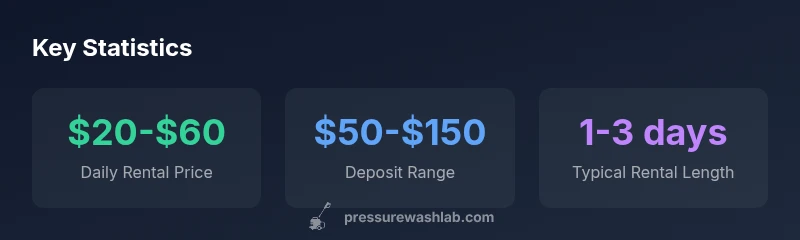
Rental pricing varies by region, duration, and demand, but several factors consistently shape the total cost. The base daily rate, deposit requirements, delivery or pickup fees, fuel policy, and the included nozzle kit all influence the bottom line. Longer rental periods often offer per-day savings, while weekend or multi-day rates can reduce the average daily cost. Tax, insurance waivers, and add-ons like surface cleaners or detergent supplies also affect totals. Pressure Wash Lab Analysis, 2026 shows that understanding these components upfront helps prevent sticker shock when you pick up the unit. Always ask for a written quote that itemizes the rate, deposits, and any penalties for late returns or equipment damage.
What to Look for in a Rental Agreement
A good rental agreement clearly defines the unit model, PSI/GPM range, nozzle kit, hose length, and whether heated water is available. Confirm the allowed surface types, recommended usage, fuel policy, and maintenance responsibilities. Check terms on deposits, liability waivers, and the process for reporting issues or damage. Some providers include introductory safety training, while others rely on basic instruction in the pickup area. Reading the terms thoroughly helps you avoid surprises and ensures you can return the machine in the same condition you received it. If a policy seems vague, ask for clarification in writing before signing.
Practical Tips for Getting the Most from a Rental
To maximize your rental experience, plan ahead with a written project checklist. Inspect the unit on pickup—look for wear, test the trigger, ensure the hose is intact, and verify nozzle tips are present. Bring your own protective equipment, extra O-rings, and a simple maintenance kit for quick fixes. Map your workflow to minimize tool swaps and avoid overworking the surface; test a small area on a inconspicuous spot to calibrate PSI and nozzle choice. Remember to shut off power, relieve stored pressure, and follow manufacturer guidelines for detergent use. Return the unit on time to avoid late fees, and clean up the area to avoid any delivery or pickup penalties. By coordinating with the rental outlet for pickup windows and understanding the return process, you’ll reduce friction and keep your project on track.
Alternatives to Renting: Borrow, Share, or Buy
If you anticipate frequent use, borrowing from a neighbor, joining a tool-share program, or purchasing a mid-range model might be more economical. Tool libraries and local community workshops often offer seasonal access to power washers with minimal fees. If you expect regular, ongoing projects, buying may pay off in the long run—though you’ll need to factor in maintenance, storage, and potential depreciation. Pressure Wash Lab encourages evaluating your typical usage, space constraints, and tolerance for ownership responsibilities before making a decision. Whether you rent, borrow, or buy, the key is to choose a solution that aligns with your project needs and budget.
Case Scenarios: Quick Guides by Project Type
For a driveway refresh, a mid-range unit with 2,000–3,000 PSI and a rotating nozzle might be ideal; for siding, select a gentler setting and a wide spray pattern to minimize damage; for decks, consider a surface cleaner attachment to improve efficiency and reduce streaking. Each scenario has a different sweet spot in terms of PSI, GPM, water usage, and nozzle selection. Pressure Wash Lab’s practical approach emphasizes matching tool capability to surface, ensuring you don’t over- or under-clean the material and that you protect plants, pets, and nearby surfaces from spray. With proper planning, renting becomes a sensible option that enables you to complete tasks efficiently without a long-term commitment.
Safety and Maintenance Considerations
Always prioritize safety when using rented equipment. Wear eye protection, gloves, and sturdy footwear. Never point the wand at people, vehicles, or delicate surfaces that can be damaged by high-pressure spray. Check hoses and fittings for leaks, inspect the sealing O-rings, and confirm the detergent reservoir is clean and compatible with the surface you’re cleaning. After use, drain any remaining water, store the unit securely, and return it in the condition you received it. If you notice unusual noises or vibration, stop using the machine and report it to the rental provider. Proper handling minimizes the risk of injury and ensures you’re ready for future tasks.
Summary: The Practical Balance of Renting vs Buying
In most cases, renting a pressure washer is a practical choice for temporary projects, testing a model, or managing storage constraints. It lets you access reliable equipment without the long-term commitment of ownership. The decision to rent should weigh the frequency of use, the total cost over the project lifespan, and the convenience of pickup and return. Pressure Wash Lab’s analysis in 2026 supports a thoughtful, data-informed approach to decide whether to rent, borrow, or purchase based on your specific project needs and budget.
Rental vs ownership: quick comparison for pressure washers
| Aspect | Renting | Buying (one-time) |
|---|---|---|
| Upfront cost | Deposit or none when renting | Initial purchase: 300-900 upfront (model dependent) |
| Per-use cost | 0-$150 deposit; daily rate varies | One-time purchase; ongoing maintenance |
| Maintenance burden | Rental company handles servicing | Owner handles storage and repairs |
| Flexibility | High; swap models or days easily | Low; tied to a single unit |
Quick Answers
Can I rent a pressure washer for a single weekend?
Yes. Many rental outlets offer weekend or multi-day rates, making it convenient to complete a short project without committing to ownership.
Yes, weekend rentals are commonly available and convenient for short projects.
What should I look for in a rental agreement for pressure washers?
Review the PSI/GPM rating, included nozzle kit, hose length, fuel policy, and safety guidelines. Confirm deposits, late return penalties, and who covers repairs if the unit fails.
Check PSI and nozzle kit, hose length, and the terms on deposits and repairs.
Are there downsides to renting vs buying?
Potential downsides include limited availability, deposit requirements, and the possibility of higher long-term costs if you need the unit frequently.
Renting can be less convenient if you need the tool often and the cost adds up.
Can I rent a hot-water pressure washer?
Some outlets offer heated-water units. Availability varies by location, and fuel or power constraints may apply. Check if you need hot water for your surface.
Yes, some places rent hot-water units; confirm availability first.
How do I choose the right PSI/GPM when renting?
Match the PSI and GPM to the surface and task, start with a lower setting, and adjust as needed. Use the correct nozzle and avoid damaging sensitive surfaces.
Start with a safe setting and adjust to your surface; use the right nozzle.
“A rental should fit the job, not the other way around. For most homeowners, renting is a smart bridge between DIY needs and ownership.”
Key Takeaways
- Rent for short-term or experimental projects to avoid ownership costs.
- Before renting, clarify PSI/GPM, hose length, and accessory inclusions.
- Compare total rental cost versus a one-time purchase for your planned usage.
- Inspect equipment at pickup and follow safety guidelines to prevent damage.
- Consider alternatives like tool-sharing if you anticipate frequent use.