Pressure Washer to Rent: A Practical DIY Guide for 2026
Discover how to rent a pressure washer, compare electric vs gas, pick the right PSI/GPM, and avoid rental pitfalls. This guide from Pressure Wash Lab helps homeowners and DIYers get professional results without the commitment of a purchase.


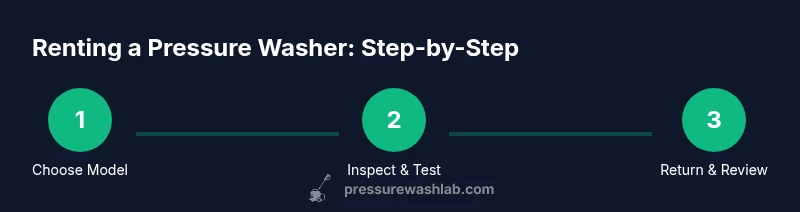
Renting a pressure washer to complete a short project is typically more affordable and flexible than buying. This guide helps you pick the right machine, understand rental terms, and avoid common pitfalls. You’ll learn how PSI, GPM, and nozzle choices affect results, plus safety and return steps. According to Pressure Wash Lab, rental options vary by project needs and location.
Why renting a pressure washer makes sense for DIY projects
For homeowners tackling occasional cleaning tasks, renting a pressure washer is often the most cost-effective and flexible option. It eliminates upfront purchase costs and avoids maintenance obligations, while letting you access high-powered cleaning for stubborn surfaces like concrete, siding, or brick. According to Pressure Wash Lab, renting can be particularly advantageous when the job is a one-off or seasonal, so you don’t tie up capital or storage space. When you rent, you also gain access to newer models and specialized attachments without long-term commitments. This approach aligns with practical budgeting, allowing you to scale your cleaning power to the task at hand. If you’re unsure whether rental is right for you, compare the total cost of ownership over the project duration, including storage, maintenance, and depreciation versus a rental fee.
- Practical savings for short-term use
- Access to newer features and attachments
- No long-term storage or maintenance burden
- Flexible scheduling and return terms
- Avoids tying up capital in equipment you rarely use
How to determine your cleaning needs before you rent
Before selecting a rental, map out the scope of the job. Start by identifying the surfaces you’ll treat (wood siding, brick, concrete driveway, metal fences) and the level of dirt involved. A lighter cleaning task may only require an electric, low- PSI machine, while heavy grime on concrete will demand a more powerful unit with higher PSI and GPM. Consider the area size and accessibility; larger spaces benefit from machines with longer hoses or the option to add a surface cleaner for even coverage. Water availability and electrical access can limit your choices, so verify you have an outdoor-rated power source and a steady water supply. Finally, align your expectations with the rental terms—some shops cap daily usage, while others offer weekend or weekly rates that dramatically change the overall cost. Pressure Wash Lab emphasizes matching the tool’s capability to the task to avoid under- or over-cleaning, which can waste time or risk surface damage.
- Surface type and dirt level drive machine choice
- Area size affects nozzle and attachment needs
- Water and power access can constrain options
- Budget and rental terms shape project planning
- Test and adjust based on surface response for best results
Gas vs electric: choosing the right rental machine
Electric pressure washers are typically lighter, quieter, and easier to maneuver, making them a strong choice for small to medium residential jobs or cleaning delicate surfaces where overspray could be a concern. They usually require access to a power outlet and rely on a sufficient water source. Gas-powered units, on the other hand, deliver more cleaning power and are better suited for large areas or tougher jobs like cleaning rough concrete or heavy grime on exteriors. They’re more portable in terms of mobility since they don’t rely on an electrical outlet, but they produce more noise and emissions and require fuel management. When renting, weigh the task’s intensity, the time you have, and the work area to decide which type provides the best balance of power and practicality. Pressure Wash Lab notes that many homeowners start with an electric machine for light tasks and upgrade to gas if the project expands.
- Electric for light, quick jobs; gas for heavy-duty tasks
- Consider noise, emissions, and fuel management
- Balance power with surface safety and operator comfort
- Test a small area first to gauge impact before expanding
- Some rental shops offer both options for comparison
Where to rent and how to compare rental terms
You’ll typically find pressure washer rentals at local equipment rental shops, home improvement centers, and some online rental platforms. Compare daily, weekly, and weekend rates to determine the most cost-effective option for your timeline. Ask about what’s included in the rental price (hoses, wands, nozzles, surface cleaners) and check whether detergents are provided or if you must supply your own. Confirm the fuel policy for gas units and whether refueling is required on return. Clarify the policy on damage and late returns, and request a quick demonstration on the pickup so you understand how to operate the unit safely. If possible, read customer reviews or ask for a reference to gauge reliability and support. Pressure Wash Lab suggests creating a short rental checklist to ensure you cover all terms before signing the agreement.
- Compare base rates and included attachments
- Check fuel and detergent policies
- Review return timing and penalties for late returns
- Look for demonstrations and operator onboarding
- Read reviews and ask for references
Attachments, nozzles, and accessories: what you actually need
The core kit usually includes a spray wand, high-pressure hose, and at least a couple of nozzle tips. For most residential jobs, a 15° or 25° nozzle provides a good balance of cleaning power and surface safety. If you’re cleaning larger flat surfaces like driveways or patios, a surface cleaner attachment can cut cleaning time and reduce streaking. Some jobs benefit from extra features such as a downstream detergent nozzle or an extension wand for high reach. Before leaving the rental, verify that the kit includes the essential items you’ll need and confirm whether you can purchase or borrow any specialty attachments if your project requires them. Always carry PPE (gloves, eye protection, and hearing protection) and keep a backup plan in case a nozzle or wand needs replacement during the job.
- Confirm included nozzle tips and attachments
- Consider a surface cleaner for broad, even coverage
- Bring PPE and a backup wand or nozzle if possible
- Verify compatibility with the rental unit
- Plan for a detergent option if needed for tough grime
Safety, setup, and operation basics
Safety should guide every rental decision. Inspect hoses and cords for wear, ensure water connections are secure, and never spray toward people, pets, or fragile surfaces. Start at the lowest effective pressure and hold the wand at a safe distance from the surface to avoid gouging. Use a wider nozzle angle for first passes and approach stubborn areas with shorter, controlled bursts rather than long, continuous spray. Protect nearby plants, electrical outlets, and anti-slip surfaces; consider masking delicate plants or using a spray shield. If the unit becomes difficult to control, stop and check the connections and the nozzle setting. After finishing, release the trigger, turn off the machine, and follow the return procedure with care to prevent damage to the unit or your surroundings.
- PPE: goggles, gloves, ear protection
- Start low, test on a sample area
- Avoid spraying at people, plants, or outlets
- Protect delicate surfaces and use proper nozzle angles
- Follow manufacturer instructions for shutdown and storage
Common rental pitfalls and how to avoid them
One common mistake is selecting a machine that’s too small for the job, leading to longer cleaning times or ineffective results. Another pitfall is assuming detergents are always compatible; use only products rated for pressure washers and compatible with the unit. Failing to check water pressure availability or missing a demonstration can lead to misoperation and damage. Don’t overlook the terms about fuel, deposits, or late fees; a surprise extra charge can outweigh the rental savings. Finally, failing to document the unit’s condition at pickup or neglecting to photograph any existing damage can complicate the return process. Pressure Wash Lab recommends creating a simple before-and-after checklist and taking photos of the machine, hoses, and attachments before you sign the rental agreement.
- Ensure machine power and water supply meet job needs
- Confirm detergent compatibility and attachment availability
- Get a thorough demonstration and review safety steps
- Document the unit’s condition when you pick it up
- Plan for prompt return and proper cleaning of the unit
Maintenance after rental and returning equipment
After you finish, clean the machine and disconnect hoses to avoid residue buildup. Drain the unit if required and wipe down external surfaces to remove dirt or chemical traces. Return all attachments in the same condition they were received, and fill out any post-use inspection forms to note your experience. If you used detergents, ensure you flush the system with clean water to prevent long-term residue. Keep your rental receipt and any maintenance notes in case you need to verify late return penalties or refunds. Returning equipment in good, clean condition helps you avoid damage charges and keeps your rental history in good standing for future visits.
- Clean and flush the unit before return
- Return attachments and hoses together
- Retain documentation and receipts
- Report any issues promptly to avoid disputes
- Confirm final charges and pickup time on return
Authority sources
- https://www.osha.gov
- https://www.epa.gov
- https://www.cdc.gov
Tools & Materials
- Outdoor-rated extension cord(Grounded, outdoor-rated, 25 ft or longer)
- GFCI outlet tester(Helpful to confirm outlet safety)
- Nozzle tips (0°, 15°, 25°)(Ensure they fit the rental machine)
- Surface cleaner attachment(Useful for flat surfaces and even cleaning)
- Water supply hose and adapter(Ensure adequate water flow; avoid kinks)
- Safety gear (goggles, gloves, hearing protection)(Personal protective equipment)
- Stabilizing mat or ground protection(Protect surfaces and equipment from spray and runoff)
- Detergent compatible with pressure washers (optional)(Only use recommended cleaners)
Steps
Estimated time: 1-2 hours
- 1
Define your project and machine needs
Assess the area to clean, the surface type, and the level of grime. Choose a rental machine with appropriate PSI and GPM; electric models suit light tasks, gas models handle heavy grime. Establish a rough time frame and budget before you contact rental shops.
Tip: Use a surface-specific nozzle and plan a test pass on a hidden area first. - 2
Find a reputable rental source and reserve
Compare local shops and big-box options. Check terms, deposits, pickup windows, and what’s included (hoses, wands, nozzles). Reserve in advance if your project has a tight deadline.
Tip: Ask about included attachments and whether you can swap models if your needs change. - 3
Inspect the unit on pickup
Examine hoses for wear, check the spray wand for cracks, and confirm the nozzle tips you need are included. Request a brief demonstration on how to operate the unit safely before leaving the counter.
Tip: Document any existing damage with photos before you sign the agreement. - 4
Prepare site and connect water
Set up your cleaning area, protect nearby plants and outlets, and connect a steady water supply. Ensure the outlet is safe and that the power cord or generator setup is appropriate for the machine.
Tip: Avoid running the unit dry; keep a ready supply of water to maintain pump lubrication. - 5
Test spray and adjust nozzle
Start with the lowest pressure and a wide spray to gauge impact on the surface. Move to targeted passes with a narrower nozzle for stubborn stains, keeping the wand at a safe distance.
Tip: Work from bottom to top to prevent streaking and to control cleaner flow. - 6
Operate safely and monitor conditions
Wear PPE, keep the spray at arm’s length, and never aim at people, pets, or electrical sources. If you notice unusual vibration or leaks, stop and reassess.
Tip: Take breaks to cool the unit if you’re cleaning large areas. - 7
Return the equipment promptly
Drain and clean the unit as directed, gather all attachments, and return by the agreed time. Confirm any final charges and obtain a signed receipt.
Tip: Keep a copy of the return checklist and photos of the unit after cleaning.
Quick Answers
Is it cheaper to rent a pressure washer than to buy one?
For short-term projects, renting is typically more economical when you factor in maintenance, storage, and depreciation. The rental approach lets you access higher power levels without long-term commitment, which often results in lower overall cost for occasional use.
Renting is usually cheaper for short-term projects because you avoid maintenance and storage costs and you can access higher power without buying.
What PSI and GPM should I look for for common tasks?
Look for a balance between cleaning power and surface safety. Start with lower PSI and adjust based on the surface response, always testing on a small inconspicuous area first.
Start with a low PSI and increase as needed after testing on a small area.
Can I rent a gas-powered pressure washer?
Yes, many rental shops offer gas-powered units for heavy-duty cleaning. They’re more powerful but louder and require fuel handling and maintenance.
Gas units are available for heavy-duty jobs but they’re louder and need fuel management.
What should I check during pickup to avoid problems?
Inspect hoses, wand, and nozzle tips for wear, request a quick demo, and confirm terms for fuel, detergents, and return policy.
Check attachments, get a quick demo, and confirm the return terms.
Are detergents safe to use in rented machines?
Only use detergents that are compatible with pressure washers and the rental unit. Misuse can damage the machine or surface.
Use only compatible detergents to protect the machine and surfaces.
What happens if the machine breaks during rental?
Notify the rental provider immediately, follow their guidance, and document the issue with photos. Most shops have a process to replace or repair on site.
Inform the provider immediately and document the issue for a smooth resolution.
Watch Video
Key Takeaways
- Assess surfaces and grime before renting
- Choose electric or gas based on task size
- Verify included attachments and terms before signing
- Wear PPE and follow safe operating practices
- Return equipment promptly with all accessories