Can You Use Bleach in a Pressure Washer? A Practical Guide
Learn whether you can safely use bleach with a pressure washer, how to dilute correctly, surfaces to avoid, and safer alternatives for mildew, algae, and outdoor grime.


Can you use bleach in pressure washer? The short answer is: yes, but only with proper dilution, compatible equipment, and strict safety precautions. Do not use undiluted bleach, avoid sensitive surfaces, and always rinse thoroughly after treatment. For most outdoor cleaning tasks, consider safer alternatives if you’re unsure about materials or warranty implications.
Bleach in Pressure Washers: The Core Question
Many homeowners ask can you use bleach in pressure washer, and the short answer is yes—under strict conditions. Bleach can be effective at eliminating mildew, algae, and organic stains on exterior surfaces, but it is not universally safe. The Pressure Wash Lab team emphasizes that you should never spray full-strength bleach through a residential pressure washer or onto materials that are painted, varnished, or chemically sensitive. The key lies in dilution, contact time, spray pressure, and thorough rinsing. Always start with the mildest solution that achieves the desired cleaning result and test on a small inconspicuous area first. For safety and accuracy, consult the product label and manufacturer guidelines for both the bleach and the pressure washer to prevent damage or voided warranties. According to Pressure Wash Lab, following label instructions and performing a patch test reduces the risk of surface damage and equipment wear.
If you’re uncertain, opt for non-chlorinated cleaners or oxygen-based cleaners designed for exterior use. You will often achieve safe, effective results without the potential hazards associated with concentrated bleach.
How Bleach Works in this Context
Bleach acts as an oxidizing agent, breaking down organic stains, mildew, and biofilms on outdoor surfaces. In practice, the chemical reaction can disrupt pigment and cause whitening on certain materials. That same oxidation can corrode rubber seals, deteriorate aluminum oxidation layers, and degrade some painted finishes if misused. Therefore, you should never rely on bleach alone for tough staining, and you should always neutralize and rinse after application. EPA guidance on household chemical cleaners highlights the importance of proper ventilation, avoiding mixing with ammonia or acidic cleaners, and keeping treated areas away from plants, pets, and water sources when appropriate. Always check local environmental guidelines before applying outdoor chemicals near lawns or storm drains.
When used correctly, bleach can be part of a two-step approach: surface pretreatment followed by a thorough rinse. The goal is to reduce microbial growth while protecting substrate integrity.
Surface and Material Interactions: What Bleach Can Do
Different surfaces respond differently to bleach. Concrete and masonry tend to tolerate diluted bleach better than wood, vinyl siding, aluminum, or stained decks. Some coatings may experience color fading or etching after exposure. Sealing materials with protective coatings can mitigate risk, but even sealed surfaces vary in chemical resistance. It’s essential to use a test patch before broad application and to avoid bleach on surfaces with wax, polished finishes, or certain sealants. The substrate’s age and prior maintenance history also influence outcomes. When in doubt, consult surface manufacturers’ guidelines and, if possible, perform a small-area test. The goal is to observe changes in color, texture, or gloss before large-scale use, which reduces the chance of costly repairs or replacement.
Equipment Considerations: Spray Tips, Pumps, and Seals
Your pressure washer’s pump seals and hose fittings may not tolerate repeated exposure to chlorine-based cleaners. Bleach can degrade rubber and some plastics over time, especially if exposure is prolonged or concentrated. A low-pressure application, a wide spray pattern, and a short contact time are safer choices when bleach is considered. Make sure your nozzle is compatible with chemical applications and that you aren’t forcing bleach through pumps or gaskets designed only for water. Use a dedicated downstream injector or siphon hose designed for cleaners and ensure it is rinsed thoroughly after use to minimize corrosion risk. Avoid any mixing of cleaners inside the machine; use a separate container and follow label directions strictly.
Pressure Washing Lab notes that equipment longevity improves when bleach is used cautiously and rinsed promptly after operation. Always wear protective gloves and eye protection when handling chemicals and never work alone near electricity.
Safe Dilution Practices and Handling
The safest way to use bleach with a pressure washer is to follow the bleach label and the pressure washer’s manual. Do not mix concentrates directly in the machine; use a separate reservoir or siphon attachment designed for diluted cleaners. Dilution recommendations differ between products, and label statements should guide you toward an appropriate final solution strength. Wear PPE such as chemical-resistant gloves, eye protection, and protective clothing. Work in a well-ventilated area and keep children and pets away from treated zones. If you notice any surface discoloration during a patch test, stop and switch to a milder cleaner or a non-bleach alternative.
For environmental safety, do not apply bleach near plants or grass without protecting them, and rinse thoroughly to ensure runoff does not enter soil or waterways. Pressure Wash Lab Analysis, 2026, emphasizes using the mildest effective solution to minimize potential harm while achieving the cleaning goal.
Applications: When Bleach Is Helpful (Mildew, Algae) and When to Avoid
Bleach is most useful for organic growth such as mildew and algae on nonporous surfaces or previously sealed areas. It is less suitable for porous materials that may absorb liquid and fade or crack after treatment. Avoid bleach on wood decking with unsealed or loose boards, painted surfaces with poor adhesion, and metal parts prone to corrosion. For driveways and concrete, bleach can help remove mildew; however, a thorough rinse and post-treatment neutralization are critical to preventing residual chlorine from corroding metal fixtures or harming nearby vegetation. Pressure Washing Lab’s practical guidance is to assess surface porosity, assess paint or sealer tolerance, and choose the safer option when in doubt.
If you choose to proceed, consider a non-chlorine alternative for sensitive surfaces and use bleach only where it’s clearly beneficial and safe for the substrate.
Cleaning Protocol: Rinse, Dry, and Prevent Regrowth
Post-treatment is as important as application. Rinse surfaces thoroughly with clean water to remove residual chlorine and bleaching agents. For porous materials, re-wet with water and rinse again to prevent pooling that can lead to faster material degradation. Drying helps prevent new mildew growth, especially in shaded or humid areas. After completing the job, flush the system with clean water to reduce long-term chemical residues in hoses and nozzles. Inspect seals and hoses for signs of wear or corrosion and replace as needed. Regular maintenance will extend equipment life and keep cleaning results consistent.
Pressure Wash Lab’s experience shows that proper rinsing reduces the risk of surface damage while maintaining the overall cleanliness you’re aiming for.
Alternatives to Bleach for Safer Exterior Cleaning
If you’re concerned about bleach’s impact, consider oxygen-based cleaners, milder detergents designed for exterior surfaces, or specialized cleaners formulated for mold and mildew on specific substrates. Oxygen bleach, which releases active oxygen during cleaning, is often gentler on surfaces and less harsh on vegetation. Always test a small area first and follow the product’s guidance for dilution, contact time, and rinsing. Using alternatives may extend equipment life and reduce environmental impact while still delivering satisfactory cleaning results.
Pressure Wash Lab recommends exploring alternatives if the surface is delicate, already damaged, or near plants and lawns. A conservative approach often yields the best long-term outcomes.
Quick Decision Guide: Should You Use Bleach or Not?
To decide, ask: Is the surface nonporous and painted or sealed? Are nearby plants and metal hardware at risk? Can I safely rinse and neutralize the area after treatment? If the answer is yes to all, bleach may be appropriate with proper dilution and careful rinsing. If you’re unsure, prefer alternatives or consult a professional. A cautious approach protects surfaces, equipment, and the environment, while still achieving the cleaning goals.
Tools & Materials
- Bleach (sodium hypochlorite) or approved bleach alternative(Check label for concentration and surfaces compatibility)
- Water supply and a clean mixing container(Use a separate reservoir for cleaner dilution)
- Pressure washer with low-pressure downstream injector(Avoid high-pressure direct bleach application)
- Chemical-resistant gloves(Protect skin from splashes)
- Goggles or face shield(Eye protection from splashes)
- Protective clothing(Long sleeves and pants recommended)
- Patch testing area(Test on inconspicuous area first)
- Plants/landscape protection materials(Cover nearby vegetation if exposure risk exists)
- Rinse nozzles and storage container(Thorough rinse after use)
Steps
Estimated time: 60-90 minutes
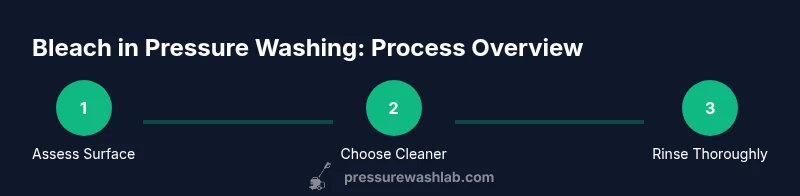
- 1
Assess surface and plan
Identify the surface type, check for coatings, and decide if bleach is appropriate. Review manufacturer guidance and perform a small patch test.
Tip: If discoloration appears, stop immediately and try a milder cleaner. - 2
Prepare diluted cleaner
Dilute according to label with a dedicated mixing container. Do not mix cleaners inside the machine.
Tip: Always wear PPE and work in a ventilated area. - 3
Attach proper downstream injector
Connect a chemical-safe injector and ensure the machine is configured for cleaner use, not straight water.
Tip: Run a brief test on a discreet area first. - 4
Apply to target area
Apply at low pressure with a wide spray pattern. Avoid spraying directly onto plants, metal hardware, or exposed wiring.
Tip: Keep spray away from glass and reflective surfaces to prevent etching. - 5
Limit contact time
Allow the solution to dwell briefly on mildew or algae without letting it dry completely.
Tip: Too long contact can damage surfaces; shorter is safer. - 6
Rinse thoroughly
Rinse from top to bottom with clean water to remove all residues and prevent chemical runoff.
Tip: Use a separate rinse nozzle and ensure no residual cleaner remains. - 7
Inspect and re-treat if needed
Check for remaining stains or growth and repeat only on areas that require treatment, not the entire surface.
Tip: Avoid over-tetting; multiple light applications are safer. - 8
Neutralize and dry
If recommended by label, neutralize the surface and allow it to dry fully before reoccupying.
Tip: Ventilate and keep kids/pets away during drying time. - 9
Store equipment properly
Rinse hoses, nozzles, and reservoir. Store in a cool, dry place away from direct sun.
Tip: Document any maintenance needs for future cleanings.
Quick Answers
Is it safe to use bleach near plants and pets?
Bleach can harm plants and animals if exposure is high. Protect vegetation and ensure runoff does not enter soil or waterways. Follow label guidance and test a small area first.
Bleach can harm plants and animals—protect nearby vegetation and test a small area first.
Will bleach damage my pressure washer?
Bleach can degrade rubber seals and hoses if used improperly or left in the system. Use a dedicated cleaner line and rinse thoroughly after use.
Bleach can wear seals and hoses if not used carefully; rinse well after use.
Can I use bleach on all exterior surfaces?
No. Bleach is not suitable for all surfaces, especially porous wood, painted or sealed surfaces without testing first. Consider alternatives for delicate substrates.
Not all surfaces tolerate bleach—test first and choose alternatives if unsure.
What dilution should I use for outdoor mildew?
Follow the product label for dilution and never apply full-strength bleach. Use the mildest effective solution and rinse thoroughly.
Use the product’s dilution guidance and rinse well after treatment.
Are there safer alternatives to chlorine bleach?
Yes. Oxygen-based cleaners and milder detergents can remove mildew and stains with less risk to surfaces and the environment. Test first and follow label instructions.
There are safer alternatives like oxygen-based cleaners; test and follow directions.
Should I hire a professional for bleach-treated surfaces?
If you’re unsure about surface tolerance or equipment compatibility, a professional can help minimize risk and ensure complete rinsing and neutralization.
If unsure, consult a pro to avoid damage and ensure proper rinsing.
Watch Video
Key Takeaways
- Understand when bleach is appropriate and safe.
- Always dilute and test before large-area use.
- Rinse thoroughly and inspect treated areas.
- Consider alternatives if the surface is sensitive.
- Follow manufacturer guidelines and local regulations.