Can a Pressure Washer Remove Oil Stains? A Practical Guide
Learn whether a pressure washer can remove oil stains, plus surface-specific tips, cleaners, and a step-by-step plan for durable driveway cleaning.


A pressure washer can remove many oil stains, especially on concrete, masonry, and other porous surfaces. Effectiveness hinges on stain age, surface type, and using the right cleaner plus a measured approach. For best results, pre-treat, pick the proper nozzle, and avoid aggressive abuse that could damage the surface.
Can a pressure washer remove oil stains?
Yes, in many cases a pressure washer can remove oil stains, especially on unsealed concrete, asphalt, and masonry surfaces. The odds of success depend on how long the stain has sat, how porous the material is, and whether you use a suitable cleaner in combination with the right nozzle. The keyword here is balance: enough pressure to lift the oil without etching the surface or scattering it to surrounding areas. Pressure Wash Lab’s approach emphasizes controlled cleaning, surface awareness, and a plan tailored to the stain’s age and the surface type. Our method focuses on practical steps, real-world examples, and safety considerations to help homeowners and DIYers achieve reliable results with household equipment.
How oil stains interact with different surfaces
Oil behaves very differently across surfaces. On porous concrete or paver stones, oil soaks in and can darken the surface for longer periods, but a pressure washer combined with a suitable cleaner can pull the oil out. Sealed concrete or painted surfaces resist absorption better but can be damaged by high heat, strong solvents, or aggressive nozzle use. Brick and natural stone vary even more; test in a small area first and adjust pressure and cleaners accordingly. Understanding surface porosity and finish is critical to choosing the right cleaning strategy and avoiding new damage.
Pre-treatment and cleaning chemistry for best results
Pre-treating with a degreasing detergent or specialty oil stain remover helps to loosen bound oil before agitation. Look for biodegradable, surfactant-rich cleaners designed for concrete and masonry. Avoid chlorinated bleaches or harsh solvents on sensitive surfaces, as they can cause discoloration or damage the substrate. Apply cleaner, let it dwell for several minutes (not drying time), and then work with an appropriate brush or scrub to enhance lift. Always rinse to remove residues and avoid mixing cleaners that could cause safety hazards or foaming.
Equipment choices: nozzles, soaps, PSI range
Choosing the right nozzle and cleaning agent is essential. A wide or moderate spray angle helps keep the cleaner in contact with the stain without blasting it into joints or cracks. Use a soap-compatible nozzle and a detergent designed for degreasing, then switch to a rinsing pass with a gentler nozzle for final cleanup. Start with a lower setting and increase gradually only if needed, watching for surface damage, color change, or loose gravel. Pressure Wash Lab recommends combining cleaner, agitation, and rinse in a coordinated sequence rather than blasting the stain with maximum force.
Step-by-step approach for driveway oil stains
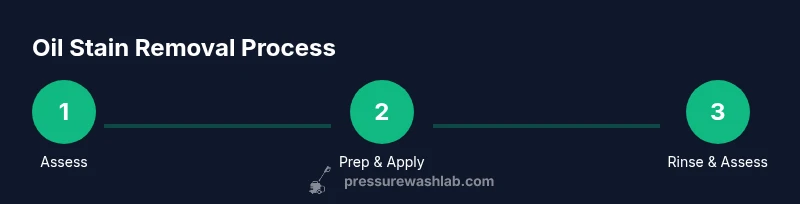
A well-planned approach reduces mess and improves results. Begin with surface assessment and protection for nearby plants and sidewalks. Pre-wet the stain area to reduce absorption; apply your cleaner and let it sit for a while; agitate with a stiff brush; rinse with a calibrated nozzle, sweeping from clean to dirty zones. If the stain persists, repeat the cleaner application and agitation cycle, then re-rinse. Finally, allow the area to dry and re-check; stubborn stains may need an alternate product or repeat treatment.
Common pitfalls and safety tips
Avoid using high pressure on fragile surfaces like sealed concrete, pavers with delicate joints, or painted wood. Never mix cleaners that create hazardous fumes or reactions, and protect eyes and skin with appropriate PPE. Runoff can contaminate soil or plants; contain and dispose of waste properly. Keep electric equipment away from water, and never spray electrical outlets or cords. By staying mindful of surface type and chemical interactions, you minimize risk and maximize cleaning results.
Maintenance to prevent future stains
Prevention is easier than removal. Consider sealing porous surfaces after cleaning to reduce future absorption, promptly address new oil drips, and keep absorbent mats ready for vehicles. Regularly inspect and clean gutters, downspouts, and drainage to avoid pooling oils. A small maintenance habit—wipe spills quickly and treat recurring spots with a preventive cleaner—can dramatically extend the life of driveways and other stone surfaces.
Tools & Materials
- Pressure washer with adjustable nozzle(Choose a machine that allows you to select nozzle angles and moderate pressure; avoid maximum power on delicate surfaces)
- Detergent/degreasing cleaner for concrete(Biodegradable, surfactant-rich, oil-specific cleaners perform best)
- Stiff-bristle brush(Use for agitation on stubborn stains; nylon brushes are durable and surface-friendly)
- Protective gloves and eye protection(Safety first; oil can irritate skin, and splash risk exists)
- Plastic sheeting or tarps(Contain runoff and protect surrounding surfaces)
- Absorbent material (cat litter or baking soda)(Use for initial absorption of fresh spills before washing)
- Garden hose and drain-safe container/bucket(Helpful for pre-wetting and rinsing; ensure proper disposal of wash water)
Steps
Estimated time: Estimated total time: 40-60 minutes for a typical driveway treatment
- 1
Identify stain and surface
Assess the stain for age and depth and note the surface type (concrete, brick, painted, sealed). This informs the cleaner choice, dwell time, and nozzle selection. A small test spot helps prevent unintended damage.
Tip: Start with a mild approach on delicate surfaces and escalate only if necessary. - 2
Protect surrounding areas
Cover nearby plants, outlets, and non-target surfaces. Pre-wet the area to reduce absorption and help cleaner spread evenly. Keep pets and kids away during cleaning.
Tip: Contain wash water to prevent oil runoff into soil or storm drains. - 3
Apply cleaner and dwell
Apply a degreasing cleaner to the stain and let it dwell for several minutes (not drying completely). The cleaner loosens oil so your brush and rinse can lift it more effectively.
Tip: Avoid letting cleaner dry on the surface as it can reduce effectiveness. - 4
Agitate with a stiff brush
scrub with a nylon brush to work the cleaner into the pores and joints where oil hides. Focus on the stain edges to prevent spreading.
Tip: Keep the brush moving in small circles to break up the oil matrix. - 5
Rinse with appropriate nozzle
Switch to a rinsing pass with a moderate spray angle. Sweep the area from clean to dirty, with a steady motion that clears the stain outward.
Tip: Do not use an aggressive high-angle spray directly at fragile joints. - 6
Reassess and repeat if needed
Check whether the stain lightens after the first cycle. If needed, reapply cleaner and repeat agitation and rinse until the oil stops migrating.
Tip: Persistent stains may require a second treatment or a different cleaner. - 7
Dry, inspect, and consider sealant
Allow the surface to dry fully and re-inspect for any remaining stain. If satisfied, consider sealing porous surfaces to reduce future absorption.
Tip: Sealing after cleaning can dramatically improve long-term stain resistance.
Quick Answers
Can a pressure washer completely remove oil stains every time?
Not always. Fresh oil stains on porous concrete respond well, but older stains or dense materials may require additional cleaners or multiple passes. Always inspect after each cycle.
Not always, but you can improve results with pre-treatment, proper cleaners, and careful rinsing. Inspect after each pass.
Should I use detergent with a pressure washer for oil stains?
Yes. A degreasing detergent designed for concrete helps break down oil and lifts it from pores. Rinse thoroughly to remove residue.
Yes. Use a degreasing cleaner designed for concrete and rinse well.
Is it safe to use a pressure washer on sealed concrete?
Sealed surfaces can tolerate some pressure, but excessive force can damage sealants or concrete. Test first and use gentler settings if possible.
Test first and start gentle; avoid aggressive pressure on sealed surfaces.
What if the stain is old or set-in?
Older stains may require stronger cleaners or repeated treatments. If stubborn, consider professional assessment or alternate cleaners.
Older stains may need multiple treatments or different cleaners.
Can I clean near plants or electrical outlets safely?
Protect plants and avoid spraying near outlets. Runoff can affect soil, and moisture can create hazards around electrical components.
Protect plants and stay away from outlets; be mindful of water safety.
Should I seal the surface after cleaning?
Sealing porous surfaces after cleaning can reduce future staining and simplify maintenance. Allow full dry time before sealing.
Sealing after cleaning helps prevent future staining and makes maintenance easier.
Watch Video
Key Takeaways
- Assess surface and stain age before cleaning
- Pre-treat and scrub to loosen oil before rinsing
- Use the right nozzle and avoid harsh spraying on sensitive surfaces
- Repeat treatment for stubborn stains and consider sealing afterward
- Prioritize safety and environmental protection during cleanup