What to Pressure Wash Driveway With: A Practical Guide
Learn what to pressure wash driveway with for concrete surfaces, plus cleaners, equipment, and steps. A guide from Pressure Wash Lab to clean safely.


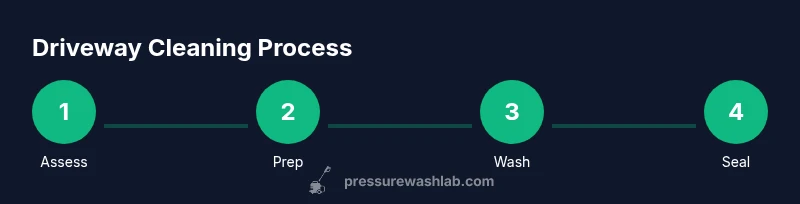
To clean a driveway effectively, you need to know what to pressure wash driveway with: the right cleaners, a compatible pressure washer, and appropriate nozzles. This guide outlines safe PSI ranges, detergent choices, and step-by-step actions to avoid damage while delivering a thorough clean. It covers concrete-friendly methods, safety precautions, and aftercare tips to help homeowners get long-lasting results.
What to pressure wash driveway with: Core principles
When planning a driveway cleaning, the first question is what to pressure wash driveway with. Concrete surfaces benefit from a balanced combination of moderate pressure, proven cleaners, and careful technique. According to Pressure Wash Lab, success starts with matching your cleaner and equipment to the surface type and staining. Before you start, identify cracks, oil spots, and the surrounding vegetation that could be affected by runoff. Prepare by moving vehicles, covering plants, and laying down protective tarps. Keep the wand at a safe distance and use overlapping, slow passes to avoid streaks. If you push too hard or hold the nozzle too close, you risk etching the concrete or forcing water into joints. The goal is to remove embedded grime while preserving the integrity of the slab and nearby mulch beds. With the right mix of products, nozzle selection, and technique, you can achieve a clean driveway without damage or excessive wear.
Cleaning agents and detergents for concrete driveways
Concrete driveways respond best to detergents formulated for exterior concrete. Use a neutral-pH, biodegradable cleaner designed for masonry surfaces; avoid household bleach and acidic cleaners that can degrade concrete and harm plants. Pressure Wash Lab Analysis, 2026 shows that surface-safe cleaners consistently yield better results with fewer risks of residue or color changes. Apply the cleaner with a low-pressure spray to coat the area evenly, then let it dwell for 5–10 minutes to break up oil and dirt. For stubborn stains, reapply and lightly scrub with a stiff brush in a circular motion. Always rinse from the highest point toward the lowest drain to prevent water from pooling along seams. After rinsing, inspect for any remaining discoloration, and repeat only on the affected spots. This approach minimizes the chance of etching or uneven coloration while restoring the driveway’s appearance.
Equipment overview: selecting a washer and accessories
Selecting the right equipment is as important as choosing cleaners. For most residential driveways, a pressure washer in the 1500–3000 PSI range with 2–4 GPM provides safe, effective cleaning. Begin with a wide-angle nozzle (25-degree) for general washing; switch to a narrower nozzle (15-degree) only for persistent stains and with brief passes to limit surface wear. A surface cleaner attachment helps achieve uniform coverage on broad concrete surfaces and reduces operator fatigue. Ensure your unit includes an unloader valve and a built-in chemical injector so you can switch between rinsing and detergent modes. Use hoses and reels to reach far edges, and protect nearby plants with tarps or plastic sheeting. Always test on a small patch first, as different concrete mixes may react differently to pressure.
Preparation and surface prep before washing
Assess the driveway surface for cracks, spalling, or loose aggregate. Note any oil stains that will require more aggressive treatment. Move vehicles, furniture, and toys; cover with plastic sheeting to protect landscaping and adjacent surfaces. Sweep the surface to remove loose debris, then pre-wet the area to help uniform cleaning. Place absorbent mats or towels at door thresholds to prevent water intrusion. Clear drainage paths so wash water enters a suitable area and does not flood sidewalks or lawns. Finally, determine if you should spray a test patch and wait a few minutes to observe texture changes.
Safety and environmental considerations
Pressure washing can create flying debris and slippery surfaces; wear protective gear: safety goggles, gloves, closed-toe shoes, and hearing protection if your washer is loud. Protect plants using tarps, and avoid spraying directly onto electrical outlets or complex wiring. Ensure runoff water does not flow into storm drains where detergents could harm local waterways. If you’re washing near a house, keep doors closed and avoid over-saturation that can cause moisture intrusion. Use minimal chemical load by starting with water-only rinses and adding detergent only where needed.
Post-cleanup care and sealing options
After washing, allow the driveway to dry completely before applying any sealer or coating. Check the concrete for remaining stains and consider spot-treating with an appropriate cleaner if needed. Sealing provides long-term protection against oil, water, and freeze-thaw cycles; choose a penetrating acrylic or nano-sealant designed for concrete and rainfall exposure. Follow the product label for cure times, usually 24–48 hours before exposure to foot or vehicle traffic. Keep in mind that weather conditions—sun, humidity, and wind—affect drying times. If you see rebound staining after washing, re-wet the area and re-scrub with a mild detergent before re-sealing.
Troubleshooting common issues and quick fixes
Even well-planned washes can encounter issues. If stains persist after washing, re-apply cleaner and brush more vigorously in small patches, using a circular motion. If water beads or films remain, there may be film buildup from prior sealers or cleaners; rinse thoroughly and consider a stronger rinse with plenty of water flow. For edge warping or surface etching, reduce pressure and increase distance, or discontinue pressure washing those spots to avoid further damage. Avoid mowing or heavy foot traffic on damp surfaces to prevent scuffing or slipping.
Long-term maintenance and best practices
To keep a driveway looking fresh, set a maintenance schedule that includes periodic cleaning and annual resealing. After each wash, inspect for new cracks and fill promptly to avoid water intrusion. Use a high-quality sealant, reapplying as required by weather and use. For heavily trafficked driveways, repeat cleanings every 12–18 months and adjust products to seasonal conditions. Regular maintenance helps extend the life of concrete and preserves curb appeal.
Tools & Materials
- Pressure washer (adjustable PSI)(1500–3000 PSI, 2–4 GPM recommended for most residential jobs)
- Wide-angle surface cleaner(For even coverage on large flat areas)
- Detergent for concrete(Neutral pH, biodegradable; avoid bleach)
- Nozzles (25-degree and 15-degree)(Start with 25°, switch to 15° for tough stains briefly)
- Stiff-bristled brush(For pre-scrub of oil spots)
- Long-handled squeegee(Assist water removal in corners)
- Personal protective equipment (PPE)(Safety goggles, gloves, closed-toe shoes; hearing protection if needed)
- Tarps/plastic sheeting(Protect plants and adjacent surfaces)
- Concrete sealer(Penetrating sealers for long-term protection)
Steps
Estimated time: 60-90 minutes
- 1
Assess driveway and prep area
Survey the surface for cracks, loose chips, and oil spots. Clear vehicles and obstacles, and cover nearby plants with tarps. Decide areas needing extra attention and plan a path that avoids misdirected spray.
Tip: Take photos before you start to document stains and wear. - 2
Gather supplies and mix cleaner
Collect all tools and mix your detergent per label directions in a sprayer. Prepare extra water for rinsing and set up a staging area away from vegetation.
Tip: Always test a small patch first to gauge the reaction. - 3
Pre-wet and apply cleaner
Rinse the driveway with water to saturate the surface, then apply the cleaner evenly. Let the solution dwell for 5–10 minutes to break down grime.
Tip: Keep the nozzle off direct contact with the surface during dwell time. - 4
Spot-clean tough stains
For oil or rust, scrub lightly with a stiff brush in circular motions after applying cleaner. Reapply as needed and avoid aggressive scrubbing that can damage the surface.
Tip: Work in small sections to prevent solution from drying out. - 5
Pressure wash with general settings
Switch to a 25-degree nozzle and medium PSI; use overlapping passes. Maintain a 12–18 inch distance and avoid aiming at joints or edges.
Tip: Never spray directly at doors, windows, or outlets. - 6
Target stubborn stains
Return to tough spots with a detergent boost and a brief 15-degree spray, keeping passes short to minimize surface wear.
Tip: Limit exposure time on delicate areas; reapply cleaner instead of excessive pressure. - 7
Final rinse and dry
Rinse everything thoroughly and check for remaining residue. Allow the surface to air-dry completely before any sealing or foot traffic.
Tip: Test dryness by placing a rag; if it comes away clean, you’re ready. - 8
Seal and protect (optional)
Once fully dry, apply a penetrating concrete sealer if desired. Follow cure times and weather conditions; re-seal every few years as needed.
Tip: Apply in a shaded, cool period to avoid rapid drying.
Quick Answers
What PSI is best for concrete driveways?
Most residential driveways clean well with 1500–3000 PSI, depending on age and condition. Start lower and test a patch; avoid higher PSI on fragile or cracked sections.
For concrete driveways, start with about 1500 to 3000 PSI and test a small patch before full cleaning.
Can I use bleach or harsh chemicals?
Bleach and acidic cleaners can damage concrete and harm surrounding plants. Use neutral, concrete-safe detergents and follow the product directions.
Bleach can damage concrete; stick with concrete-safe detergents and follow the label.
Do I need a surface cleaner?
A surface cleaner helps achieve uniform coverage and reduces streaking on large flat areas, but it’s not strictly required.
A surface cleaner helps with even coverage, especially on big driveways.
How long does it take for the driveway to dry?
Drying time depends on weather and sun exposure. In warm, dry conditions, surfaces may dry within a few hours; cooler, humid days take longer.
Dry times vary with weather; expect a few hours in dry conditions and longer in damp weather.
Is sealing necessary after cleaning?
Sealing isn’t required, but it enhances stain resistance and prolongs results. Wait until the surface is fully dry and cure times on the sealer are followed.
Sealing helps protect the surface; wait for full dryness and follow the sealer’s cure times.
How often should I clean and reseal?
Most homeowners clean every 12–24 months depending on use and climate, and reseal every 2–5 years to maintain protection.
Clean every 1–2 years and reseal every 2–5 years, depending on conditions.
Watch Video
Key Takeaways
- Define what to pressure wash driveway with before starting.
- Choose cleaners and equipment tailored to concrete surfaces.
- Practice safe spraying to protect edges and landscaping.
- Seal the driveway after it dries for long-term protection.