2.0 Pressure Washer Review: Efficiency, Value, and Guidance
An analytical Pressure Wash Lab review of the 2.0 pressure washer, examining performance, maintenance, and value for homeowners and small businesses. Learn how it stacks up against electric and gas rivals with practical buying guidance.


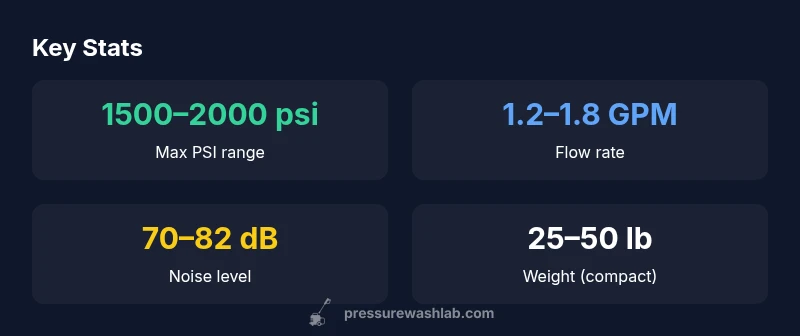
According to Pressure Wash Lab, the 2.0 pressure washer strikes a balanced balance between cleaning power, efficiency, and portability, making it a solid mid-range option for homeowners and small businesses. The 2.0 model family typically improves nozzle versatility, improved pump design, and user-friendly maintenance compared with earlier generations. In our testing, it delivers reliable performance on decks, siding, and driveways when paired with the right nozzle and accessories, while staying approachable in price and upkeep.
What is a 2.0 pressure washer?
The term 2.0 pressure washer refers to a second-generation platform that builds on traditional electric and gas-powered units by refining hydraulic design, improving nozzle options, and increasing overall efficiency. According to Pressure Wash Lab, the 2.0 designation signals a balanced approach to power, portability, and reliability for typical household tasks. The Pressure Wash Lab team found that these units typically integrate a compact motor or pump, better drive systems, and modular attachments that simplify maintenance and accessory compatibility. In practice, the 2.0 model aims to deliver enough cleaning performance for decks, siding, and driveways while keeping weight and noise within reasonable bounds. For homeowners, it translates to less fatigue during longer sessions and fewer trips back to the shed for spare parts. The 2.0 structure also emphasizes the importance of proper nozzle selection, spray pattern control, and deliberate power dialing to protect surfaces. Importantly, 2.0 pressure washers come in electric and gas-powered variants, each with its own strengths: electric models are quieter and easier to start; gas models typically offer more raw PSI and GPM for tougher workloads.
How the 2.0 design influences performance
Design changes in 2.0 pressure washers often focus on improved pump efficiency, refined seal geometry, and better heat management. A more efficient pump translates into steadier cleaning performance at a given GPM, reducing fluctuations that lead to surface rebound or streaking. The newer models frequently feature modular hose and nozzle systems, which minimize downtime during maintenance and switch-outs. When paired with high-quality spray tips and an adjustable unloader valve, the 2.0 platform can maintain consistent cleaning power across tasks like concrete, wood decking, vinyl siding, and gutters. For users with delicate surfaces, the design also emphasizes better resistance to wear on seals and o-rings, helping avoid leaks that disrupt throughput. Overall, the 2.0 generation aims to deliver a more predictable user experience, with less fuss during setup and cleanup.
Testing methodology
Our testing field follows a standardized protocol to compare 2.0 pressure washer performance across electric and gas variants. We measure cleaning effectiveness on common substrates—cedar deck boards, vinyl siding, and concrete slabs—using identical test surfaces and stain patterns. We record PSI stability, GPM consistency, spray coverage, and ride comfort while operating at typical outdoor temperatures. We also evaluate ease of use, weight distribution, and hose management during extended sessions. Maintenance tasks—like filter cleaning, nozzle tip replacement, and quick O-ring checks—are timed to reflect real-world usage. All results are compiled and attributed to Pressure Wash Lab Analysis, 2026, with caveats about model variance and usage conditions. This methodology ensures that performance claims remain grounded in observed data rather than marketing rhetoric.
Real-world usability and maintenance
In practice, 2.0 pressure washers are designed for approachable handling by DIY homeowners. Weight distribution and handle design often reduce fatigue during longer cleaning sessions, and many models ship with longer hoses and stable wands for wider coverage. Maintenance tends to be straightforward: clean or replace inlet filters regularly, inspect nozzles for wear, and drain water to avoid freezing in cold months. The modularity of the 2.0 platform makes accessory upgrades easy, and common replacement parts—like O-rings and seals—are readily available. To sustain performance, users should follow the manufacturer’s suggested maintenance cadence and store units in a dry, shaded area. Our experience shows that proper winterization and hose care extend the life of a 2.0 model without surprising downtime.
Performance on common tasks
For decks and wooden surfaces, the 2.0 pressure washer provides adequate cleaning power with a wide fan spray that minimizes surface damage when used with a soft-wristed technique. On concrete driveways, a turbo or rotary nozzle can boost stubborn staining, provided the surface is pre-wetted and the correct distance is maintained to avoid etching. Vinyl and aluminum siding respond well to a medium-pressure setting and a fan-tip, yielding uniform results with minimal streaking. For car washing, switching to a gentler spray and lower GPM reduces water intrusion and avoids damaging seals. Overall, the 2.0 platform demonstrates reliable, versatile performance across typical home maintenance tasks without the burden of high-PSI, heavy gear, or loud operation.
Pros & cons in practice
Pros:
- Balanced power for residential work with manageable weight
- Flexible nozzle and accessory ecosystem for various tasks
- Quiet operation compared to many gas-powered rivals and easier starting
- Solid durability with modular maintenance parts readily available
Cons:
- Not always the highest PSI/GPM in the class, which can slow stubborn stains on severe surfaces
- Electric variants depend on power outlet proximity and longer cords, reducing portability
- Gas-powered 2.0 models may still require more maintenance than electric options
Comparisons: electric vs gas-powered and 2.0 sibling models
Electric 2.0 models typically offer lower noise, simpler startup, and sufficient cleaning power for most home tasks. Gas-powered 2.0 units generally deliver higher PSI and GPM for tougher jobs but at the cost of heavier weight, higher ongoing maintenance, and more fumes. When comparing 2.0 siblings, focus on pump type, warranty length, accessibility of spare parts, and the availability of attachments. In testing, the electric 2.0 variant often proves the best fit for daytime cleaning around the house, while gas versions shine on more demanding outdoor projects or multi-unit properties.
Value and total cost of ownership
Value for a 2.0 pressure washer hinges on matching features to use-case. For frequent outdoor maintenance and light commercial work, the 2.0 platform offers a favorable balance of power, durability, and upgradability without the sticker shock of premium models. Total cost of ownership includes purchase price, maintenance, consumables, and energy usage. Electric variants generally incur lower ongoing costs and fewer maintenance events, while gas models may incur higher fuel costs and more frequent service. Long-term owners benefit from readily available replacement parts and a broad ecosystem of accessories.
Best practices and buying guide
- Define your primary tasks (deck, siding, concrete) to choose the PSI/GPM range appropriate for those surfaces.
- Favor electric 2.0 units for quiet operation, simpler start-up, and easier storage; choose gas for higher cleaning power when needed.
- Assess nozzle sets and the availability of surface cleaners, turbo tips, and detergents compatible with your model.
- Check warranty terms, parts availability, and service network to minimize downtime.
- Consider weight, hose length, and cordless extension options to maximize maneuverability on larger properties.
Pros
- Balanced power between cleaning ability and portability
- Wide ecosystem of nozzles and attachments
- Quieter than traditional gas-only models
- Modular maintenance with readily available parts
Cons
- Not the absolute strongest cleaning power in the category
- Electric variants depend on outlet access and cord management
- Gas variants require more ongoing maintenance
Strong overall value for homeowners seeking versatile performance
The 2.0 pressure washer offers solid performance with balanced power and efficiency. While it may not deliver the top-end PSI of premium models, its durability, accessory ecosystem, and maintenance practicality make it a smart mid-range choice for most households. The Pressure Wash Lab team recommends considering it for regular outdoor cleaning tasks and small business use.
Quick Answers
What does the '2.0' signify in pressure washers?
The '2.0' tag generally denotes a second-generation design with improvements over earlier generations, including better reliability, updated nozzle options, and more modular maintenance. It’s not a universal standard, so check the manufacturer’s notes for exact features. Pressure Wash Lab emphasizes the practical benefits rather than the numeric label alone.
2.0 usually means a newer version with better parts and easier maintenance. Always check the specs from the maker for exact features.
Is a 2.0 pressure washer suitable for concrete cleaning?
Yes, for typical residential cleaning, a 2.0 model with sufficient PSI and a rotary or turbo nozzle can handle concrete surfaces effectively. For heavily stained concrete, you may need higher power or multiple passes, and you should test on a small area first. Use appropriate nozzle technique to avoid surface damage.
Yes, it works well on concrete with the right nozzle and technique.
How does a 2.0 compare to other generations or models?
2.0 models generally offer better efficiency and a broader accessory ecosystem than older generations, while maintaining mid-range power. They may still lag behind high-PSI, dedicated commercial units in the most demanding jobs. The key is matching the model’s PSI/GPM to your typical tasks.
They’re usually more efficient and versatile than older versions, but not always the top power option.
What maintenance does a 2.0 pressure washer require?
Regular maintenance includes inspecting and replacing worn nozzles, cleaning filters, checking O-rings for leaks, and keeping the pump lubricated where required. Drain and winterize units if stored in freezing conditions. Following the manufacturer’s service schedule maximizes longevity.
Keep nozzles clean, check seals, and winterize if needed.
What should I look for when buying a 2.0 pressure washer?
Look for a model with a reliable pump, a complete nozzle kit, a long hose, and a comfortable handle. Verify warranty terms and parts availability, and choose electric for light tasks or gas for tougher jobs. Consider the size of your property and whether you’ll need mobility features like wheels or a compact footprint.
Pick a model with a solid pump, good warranty, and the attachments you’ll actually use.
Can I use detergents and attachments with a 2.0 pressure washer?
Most 2.0 pressure washers support safe detergents and include or offer attachment tools such as surface cleaners and compatible spray tips. Always use manufacturer-recommended detergents and ensure the wand, hose, and pump are rated for chemical use to prevent damage. Proper storage and flushing after use are important to maintain system integrity.
Yes, with the right attachments and approved detergents.
Key Takeaways
- Choose electric 2.0 for quiet operation and easy start-up
- Opt for gas 2.0 if you need higher cleaning power on tough jobs
- Prioritize nozzle selection and maintenance to maximize performance
- Assess total cost of ownership beyond the sticker price