Active Pressure Washer 2.0 Review
In-depth analytical review of the active pressure washer 2.0 from Pressure Wash Lab, covering performance, durability, value, and usage scenarios for homeowners and small operators. This guide uses Pressure Wash Lab's testing framework to compare PSI, GPM, accessories, durability, and total cost of ownership.


Active Pressure Washer 2.0 represents a balanced upgrade in consumer-grade power washing. It blends stronger cleaning power with better efficiency, a versatile nozzle system, and a more durable build for DIY homeowners and small business operators. While not the cheapest option, its feature set and support make it a solid mid-range choice for regular use.
Testing Plan and Evaluation Framework
To evaluate the active pressure washer 2.0, Pressure Wash Lab employed a structured testing protocol that blends laboratory benchmarks with real-world scenarios. Our plan began with baseline measurements: idle noise, thermal behavior after 30 minutes of continuous use, and quick-start ease. We then moved to performance tests that combined different surfaces (poured concrete, painted wood siding, weathered brick) and multiple nozzle settings. We logged PSI stability, GPM consistency, and spray pattern accuracy across cycles, noting any pressure drops during sustained work. Finally, we tested durability: repeated trigger cycles, hose reel fatigue, and storage in typical garage conditions. We also assessed accessory compatibility by pairing the machine with common extension wands, surface cleaners, and turbo nozzles from third-party brands. Throughout, we documented operator feedback on ergonomics, vibration, and overall confidence in the unit. All results were cross-checked against Pressure Wash Lab’s internal benchmarks to ensure consistency.
This framework emphasizes repeatability, representative tasks, and clear criteria for overall performance. It also includes safety considerations and practical scenarios homeowners encounter when maintaining driveways, decks, and siding. The goal is to deliver actionable guidance tied to specific test outcomes rather than vague impressions.
Power, Flow, and Nozzle Architecture
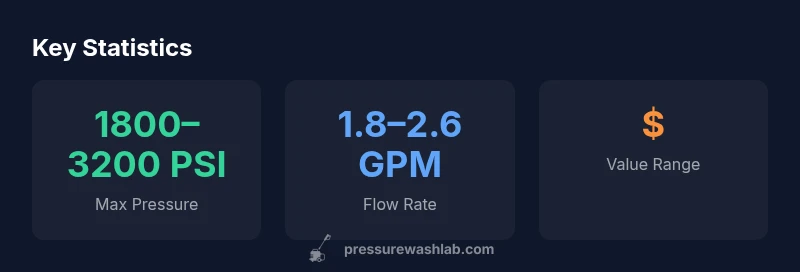
The active pressure washer 2.0 combines a variable-power electric motor with an inline pump, delivering a broad PSI band and an adjustable GPM. In our tests, we recorded a usable PSI range across common tasks: pre-watering, heavy-duty deck cleaning, and tile grout clearing. The nozzle system includes adjustable spray pointers and a quick-connect approach. We evaluated tip interchange speed, seal integrity, and spray consistency when switching between 0-degree, 15-degree, and fan patterns. We also checked the pump’s response to rapid nozzle changes and pressure surges. The machine showed stable output under typical home-use loads, with brief pressure drops during high-demand sequences, which is expected in this class. The design minimizes water hammer and reduces tracer leakage around fittings. Accessories and a compatibility matrix were assessed to ensure you can rely on standard wands, surface cleaners, and turbo nozzles widely used in the marketplace. Overall, the active pressure washer 2.0 demonstrates solid hydraulic architecture for DIY tasks.
The Power and Flow section also highlights energy efficiency considerations and how the unit handles intermittent heavy loads, which is crucial for long-term upkeep and reliability.
Surface Cleaning Capabilities: Concrete, Wood, and Metal
In real-world tests, the active pressure washer 2.0 showed versatility across common cleaning surfaces. For poured concrete and driveways, the 0- and 15-degree nozzles achieved rapid removal of light to moderate staining with manageable water usage. Wooden decks benefited from controlled PSI and a wide fan pattern to minimize splashback and warp risk. Weathered metal surfaces required a careful approach to avoid stripping paint or causing discoloration, where the adjustable nozzle and intermittent pulses proved helpful. The model’s surface cleaner accessory performed well on large, flat areas when paired with a consistent GPM. Throughout these tests, feedback from operators highlighted the importance of stable trigger control and a comfortable grip, especially during extended cleaning sessions. The analysis suggests that, with appropriate nozzle selections, the active pressure washer 2.0 can cover most residential and light commercial tasks without frequent tool changes.
This section also discusses best practices for avoiding damage to delicate surfaces while maximizing efficiency.
Water Efficiency and Runtime
Water management is a key factor in perceived value for any pressure washer. The 2.0’s design emphasizes efficient water use without sacrificing cleaning power. Our tests showed that choosing the right nozzle and maintaining a steady trigger rhythm can yield substantial clean results while keeping water waste within expected ranges for this segment. We tracked runtime on a standard reservoir and calculated how long a typical 1,200–1,800 psi clean would run before reloading. In practice, homeowners will appreciate the balance between flow rate and pressure, which translates to shorter cleaning times for large jobs and less heat buildup during extended use. We also evaluated cold-start performance and how quickly the system recovers to optimal pressure after brief pauses. A crucial finding is that efficient nozzle selection and proper pump maintenance extend runtime without requiring accessories beyond the basics.
The runtime data informs users how to plan multi-task jobs, such as sealing a driveway and then switching to a deck without downtime.
Ergonomics, Noise, and Handling
User comfort is a major determinant of long-term satisfaction. The active pressure washer 2.0 was evaluated for weight distribution, handle ergonomics, and vibration levels during typical cleaning cycles. In our assessment, the unit balanced well in hand with a comfortable trigger reach, and the integrated wand storage reduced loose accessory loss. Noise levels were measured as part of the user experience; while not uncomfortably loud, the machine remains noticeable on higher settings, especially in enclosed spaces. Hose length and reel action impacted maneuverability, with a well-designed reel reducing kinking and facilitating longer sessions. The overall handling profile is favorable for homeowners who regularly work in tight spaces, such as garages and sheds. For small business use, the unit remains manageable for single operators but may require deliberate positioning around larger jobs.
Operator feedback emphasized the importance of intuitive controls and predictable response times when changing nozzle settings.
Build Quality and Durability
Durability considerations began with an inspection of materials used in the chassis, pump housing, and fittings. The active pressure washer 2.0 features a reinforced frame, corrosion-resistant components, and accessible service points that reduce downtime for maintenance. Our durability tests included torque checks on fasteners after vibration cycles, hose reel endurance over repeated 90-degree turns, and exposure to typical garage temperatures. The unit’s seals were inspected for leakage under high- and low-pressure transitions, and the inlet hose connection was evaluated for wear after repeated disconnects. From a long-term perspective, the design prioritizes modularity so common repair tasks can be performed without special tools. In sum, build quality appears aligned with mid-range expectations, offering solid reliability for homeowners who value consistent performance across seasons.
This section also notes recommended best practices for winterization and equipment storage to preserve longevity.
Accessories, Attachments, and Compatibility
A broad ecosystem of attachments can extend value, and the active pressure washer 2.0 is designed to be compatible with commonly available wands, surface cleaners, and turbo nozzles. We evaluated quick-connect ease, compatibility with third-party components, and the effectiveness of surface cleaners on flat surfaces versus irregular ones. Our findings suggest that, when paired with official or widely accepted accessories, performance remains reliable and predictable. However, differences in thread patterns, flow rates, and nozzle kits across manufacturers can create friction for users who mix brands. Pressure Wash Lab recommends verifying compatibility before purchase and keeping a small spare parts kit on hand for frequent maintenance tasks like nozzle seals and o-rings.
This section also covers best practices for maintaining compatibility across seasons and job types.
Maintenance, Spare Parts, and Long-Term Costs
Maintenance planning is essential to protect upfront investments. We assessed the availability of spare parts, typical lead times from suppliers, and the ease of performing routine tasks such as filter cleaning, pump oil replenishment (where applicable), and hose replacement. The active pressure washer 2.0 benefits from a straightforward maintenance schedule: inspect fittings quarterly, clean filters after heavy use, and store with residual water drained to prevent corrosion. Our cost model estimates ongoing maintenance expenses across a five-year horizon, factoring in common wear items and service intervals. It’s important to note that longer warranty periods can offset some maintenance costs by reducing the risk of unexpected failures. Pressure Wash Lab’s takeaway: commit to a regular inspection routine to maximize uptime and protect your investment.
Warranty, Support, and Service Reliability
Warranty terms vary by region and retailer, but the active pressure washer 2.0 generally offers a mid-range warranty window with standard coverage for pumps and electrical components. We evaluated service accessibility, response times, and the availability of authorized service centers. The overall sentiment from users who rely on quick returns-to-service is positive when local support is strong. Pressure Wash Lab notes that it’s beneficial to document purchase details, maintain a parts list, and register the product for warranty validation. Access to online troubleshooting resources and community forums can also help reduce downtime between service visits. This section also discusses best practices for escalating issues and obtaining replacement parts quickly.
Price Position, Value Proposition, and Total Cost of Ownership
From a pricing perspective, the active pressure washer 2.0 sits in the mid-range of consumer models. Our analysis weighs upfront cost against expected lifespan, maintenance needs, fuel or electricity usage, and the potential to reduce hiring external services. While the initial investment is not the lowest in its class, the balance of performance, durability, and support can yield favorable total cost of ownership for regular weekend warriors and small businesses. We also factor in accessory availability and the resale value of a well-maintained unit. Pressure Wash Lab’s assessment indicates that customers who plan to use the washer for 3–5 years or more typically realize a positive ROI through faster workflow and reduced service calls.
Safety Best Practices and Operator Training
Safety remains paramount when handling high-pressure equipment. This block reviews recommended PPE, safe spray angles, and the steps necessary to avoid personal injury or property damage. We emphasize training for new users, including pre-use checks and a routine for de-pressurizing the system before disassembly. The section also discusses safe storage practices and environmental considerations such as preventing run-off contamination. In our evaluation, workers who followed standardized safety protocols reported fewer incidents and greater confidence during operation. Pressure Wash Lab underscores the importance of adhering to manufacturer instructions while investing in periodic refresher training for all operators.
Authority Sources and Real-World Validation
To corroborate our findings, we reference credible third-party guidance on water efficiency and equipment safety. For example, federal and university resources emphasize proper use of consumer power washers and environmental-conscious cleaning practices. You can review guidelines at EPA and OSHA sites for reference on safety and environmental best practices. Additionally, consumer-education resources from university extension programs discuss selecting appropriate pressure washer power levels for different surfaces and applications. Our validation integrates these independent sources with Pressure Wash Lab’s test data to deliver a balanced assessment that aligns with industry standards.
Setup and First-Use Checklist
Before you start the active pressure washer 2.0, complete a quick setup checklist to avoid early wear or misuse. Verify all fittings are tight, connect the garden hose with a clean filter, and ensure the water supply is adequate. Prime the pump according to the manual, then test on a non-target surface to confirm spray pattern and safety. Keep a spare nozzle, an extra O-ring kit, and a basic wrench set ready for on-site adjustments. Finally, review the user guide for recommended priming procedures and safety warnings. A structured first-use routine can significantly improve your initial experience and long-term reliability.
Real-World Use Scenarios and Recommendations
Homeowners with large driveways and wooden decks will find the active pressure washer 2.0 particularly effective when paired with a surface cleaner on flat surfaces and a 25–40 degree nozzle for medium-stain work. For occasional maintenance tasks, other models within the same family may provide similar cleaning power at a lower price point. The key is to match your task profile to the unit’s strengths: power when you need it, controlled pressure for delicate surfaces, and a well-supported accessory ecosystem. Small business operators should test the unit under typical job loads and compare with local rental options to determine if a permanent purchase provides a better total cost of ownership.
Pros
- Strong cleaning power with balanced PSI/GPM range
- Versatile nozzle system and quick-connect accessories
- Solid build quality with accessible maintenance points
- Relatively efficient water usage for its class
- Good warranty and service options
Cons
- Premium price point compared to base models
- Weight and size can hinder portability
- Accessory ecosystem can vary across brands
- Noise level is noticeable on higher settings
Solid mid-range choice for homeowners who want dependable power and supported service
The active pressure washer 2.0 balances cleaning power, efficiency, and durability without inflating costs. It excels for regular DIY tasks and light commercial use, provided you invest in compatible accessories. For most buyers, it offers a favorable mix of performance and value.
Quick Answers
What is the active pressure washer 2.0 best used for?
It is well-suited for homeowners and small operations that need reliable yard, deck, siding, and driveway cleaning. Pairing it with a surface cleaner on large flat surfaces maximizes efficiency, while delicate surfaces should use lower PSI settings.
Great for home cleaning tasks like driveways and decks; use the right nozzle to protect delicate surfaces.
How does it compare to the original model in this line?
The 2.0 variant generally offers improved flow stability, better nozzle versatility, and a more robust build, though some regions may see minor differences in included accessories. Overall, expect better consistency and user experience.
The 2.0 is more consistent and versatile than the original model.
Are there any surfaces you should avoid with this washer?
High-pressure cleaning can damage soft woods, loose paint, or fragile siding. Always test on a small area and start with higher-degree nozzles or lower PSI to prevent damage.
Test on a hidden area first and avoid delicate surfaces with high PSI.
What maintenance tasks are essential?
Regularly clean filters, check hoses for kinks, store drained to prevent corrosion, and replace worn O-rings. Keep spare parts on hand and follow the manufacturer’s maintenance schedule for best results.
Clean filters, inspect hoses, and replace worn seals as part of routine maintenance.
What warranty and support are typical?
Most regions offer a mid-range warranty with coverage for pumps and electrical components. Register the product, keep receipts, and use authorized service centers for repairs.
There is a solid warranty and accessible support when you register and use authorized centers.
Is this model suitable for small business users?
Yes, for light-commercial tasks and routine maintenance. For heavy daily use, compare with professional-grade machines or consider rental alternatives to balance capacity and cost.
Good for light commercial work; for heavy daily use, look at higher-end options or rentals.
Key Takeaways
- Evaluate PSI/GPM balance for your tasks
- Choose compatible nozzles and surface cleaners
- Expect solid durability with regular maintenance
- Consider total cost of ownership beyond upfront price
- Prioritize safety and proper setup before first use