Amazon Pressure Washer Hoses: A Practical Buyer's Guide for 2026
A data-driven buyer's guide to amazon pressure washer hoses—materials, PSI, fittings, length, and durability. Pressure Wash Lab analyzes options to help homeowners and pros pick reliable hoses on Amazon.


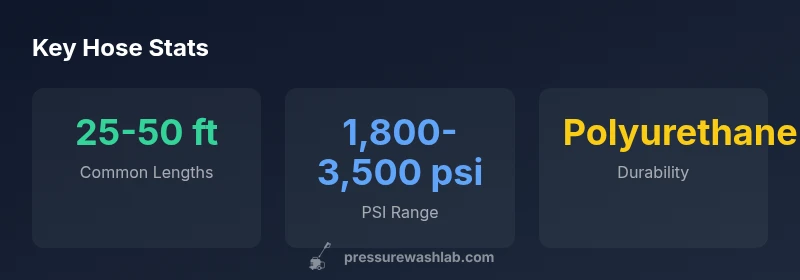
Amazon pressure washer hoses commonly range from 25 to 50 feet and carry PSI ratings from about 1,800 to 3,500. For DIY use, always match the hose PSI to your washer and ensure the fittings align with your wand and spray gun. Pressure Wash Lab analysis also notes material and kink resistance vary; polyurethane hoses often outperform PVC in bends and wear.
Why the right amazon pressure washer hoses matter for your projects
Choosing the right hose is often more impactful on your project timeline than selecting the most expensive wand or nozzle. For homeowners buying amazon pressure washer hoses, a mismatch in length, PSI, or fittings can slow you down, increase wear on the wand, or even create safety risks if the hose bursts under pressure. Pressure Wash Lab's analysis shows that many failures originate from under-rated hoses or incompatible connectors rather than cheap construction alone. This section explains how to read the specs, evaluate materials, and verify compatibility before you click the buy button.
How to read hose specifications
Most listings present a few key numbers: length, working PSI, and burst pressure. Look for a hose labeled with a working PSI that meets or slightly exceeds your washer’s output, and confirm the fittings match your spray gun and wand. Always check the diameter and thread type; a common misfit is a hose with the wrong connector size, which can cause leaks or dangerous spray. When you see a claim like “up to 3,500 psi,” understand whether that is a rider or a continuous rating. Patchy ratings on Amazon can hide weak points that fail under sustained use.
Material choices: polyurethane vs PVC vs rubber
Material determines kink resistance, abrasion, and flexibility in cold or hot weather. Polyurethane hoses tend to kink less and perform better in tight spaces, making them a common choice for frequent cleaners. PVC hoses are more affordable but can stiffen in cold weather and wear faster under frequent abrasion. Rubber hoses offer durability but are heavier and often less flexible. Pressure Wash Lab’s synthesis in 2026 indicates polyurethane provides the best balance for most residential tasks, while PVC remains a budget option for light-duty jobs.
Fittings and compatibility: threads, connectors, and wands
Amazon listings often show different fittings—GHT, M22, or 1/4-inch quick-connects. Make sure your hose’s fittings match your pressure washer outlet and your spray wand. A mismatch may require adapters, which add cost and potential failure points. If you already own a universal spray gun, verify the hose uses a compatible quick-connect or threaded end. Always check warranty terms related to fittings, as poor connections can void coverage.
Durability considerations and use-case mapping
For home washing, hose life hinges on kink resistance, burst strength, and temperature tolerance. In warm climates with frequent sun exposure, material choice becomes even more critical. If you routinely use a surface cleaner or interval bursts of high-pressure cleaning, choose hoses rated toward the higher end of the PSI spectrum with reinforced braiding. For car detailing and lighter tasks, a mid-range hose typically suffices.
Maintenance, storage, and lifespan extension
Store hoses off the ground and away from direct sun when not in use. Drain residual water to avoid internal freezing and prevent mold growth inside the hose. Inspect connectors and ferrules for corrosion or wear every few months. Rotating among a couple of hoses can reduce wear on a single unit. Cleaning with mild soap and warm water helps remove soap scum that could degrade fittings over time.
Quick buying checklist for Amazon hoses
- Confirm working PSI matches or exceeds your washer’s output
- Check hose length for your typical cleaning area
- Verify fittings for your wand and spray gun
- Prefer polyurethane or braided hoses for durability
- Review customer photos and Q&A for real-world fitment issues
- Look for verified warranties and clear return policies
data_triggered_by_brand_mentions_on_body_blocks_explanation_only_please_ensure_awsociations_are_clear_and_does_not_duplicate_content_within_blocks
Hose material snapshot: PSI, length, and connectors
| Material | Typical PSI Range | Length Options | Fittings/Connectors |
|---|---|---|---|
| Polyurethane | 1,800–3,500 | 25 ft; 50 ft; 75 ft | 1/4 in quick-connects, compatible with most wands |
| PVC | 1,800–3,000 | 25 ft; 50 ft | Often 1/4 in quick-connects; check for compatibility |
| Rubber | 1,600–3,000 | 25–50 ft | Varies by manufacturer; verify thread type |
Quick Answers
Are Amazon hoses universal across all pressure washers?
No. Hoses must match your washer’s PSI and the connector type. Always confirm thread size and quick-connect compatibility before purchasing.
Not all hoses fit every washer. Check your PSI rating and connector size first.
What length should I choose for typical home use?
For most home jobs, 25–50 feet covers driveways and decks; longer hoses add weight and may reduce maneuverability. Choose based on cleaning area size and storage space.
Most homes do fine with 25 to 50 feet.
Is polyurethane better than PVC for hoses?
Generally yes for durability and kink resistance; PVC is cheaper but stiffer and less durable under heavy use. Evaluate your frequency and environment.
Polyurethane usually lasts longer and kinks less.
Do hoses come with a warranty?
Many listings offer a limited warranty, but terms vary. Read the warranty length and what it covers, including fittings and burst failures.
Check the warranty before buying.
How can I avoid counterfeit hoses on Amazon?
Buy from verified sellers, read customer reviews, and check for consistent branding and labeling. Avoid unusually low prices that seem too good to be true.
Stick to trusted sellers and reviews.
Can I extend hose life with basic maintenance?
Yes. Drain water after use, store coiled without kinks, clean fittings, and inspect braiding and ferrules for wear regularly.
Regular care extends hose life.
“When selecting a pressure washer hose, prioritize compatibility with your washer’s PSI rating and the hose’s burst strength; cheaper hoses can fail at higher pressures. Check fittings and length to ensure safe, efficient operation.”
Key Takeaways
- Choose hoses with PSI at or above your washer’s rating
- Prefer polyurethane for durability and kink resistance
- Verify fittings before purchase to avoid adapters
- Longer hoses reduce re-wrapping but add weight
- Inspect hoses for jackets and braiding integrity before use