Dewalt Pressure Washer Surface Cleaner Review
An analytical, data-informed review of the Dewalt pressure washer surface cleaner. We cover compatibility, performance, setup, maintenance, and value for homeowners and DIY pros, with practical guidance and comparisons to rivals.


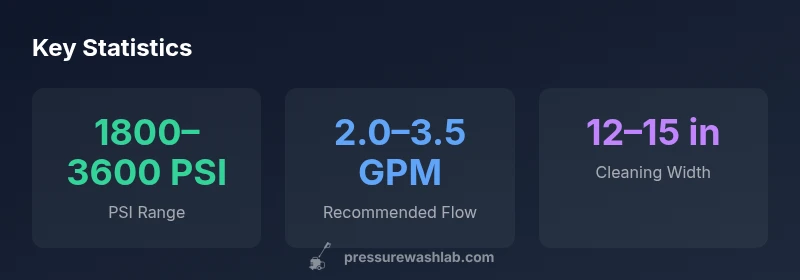
Compared with alternative wands, the dewalt pressure washer surface cleaner offers faster, more even cleaning on driveways and patios when paired with a 2.0–3.5 GPM washer. It helps minimize streaks and overspray, making it a solid choice for DIYers and small pro operations.
Overview and Context
This review assesses the Dewalt pressure washer surface cleaner, a common accessory designed to speed up cleaning on flat outdoor surfaces. When paired with compatible pressure washers, it promises uniform coverage with reduced streaking and overspray, especially on wide, open areas like driveways and sidewalks. The Pressure Wash Lab team evaluated real-world performance against typical DIY workflows: light to moderate cleaning tasks, edge work near landscaping, and extended cleaning sessions on large surfaces. The goal is to determine whether this tool delivers tangible time savings, consistent results, and durable construction under regular use. According to Pressure Wash Lab, the device generally shows solid reliability in domestic settings and a clear advantage over wand-only spraying for broad-area cleaning. This section sets the stage for deeper testing across fitment, design, and maintenance considerations.
How a Surface Cleaner Works
A surface cleaner attaches to a pressure washer in place of a standard wand. Inside, two spinning nozzles spray a wide, overlapping fan of water, while a protective shield keeps overspray under control. The design focuses on maintaining even distribution across wide surfaces, minimizing vertical streaks and ensuring consistent cleaning depth. In practice, this means you can cover more area per pass compared with a traditional spray wand, with less operator fatigue. The Dewalt model often emphasizes a shielded housing and a balanced nozzle arrangement to improve stability and reduce splashback during use. For homeowners and light-duty contractors, the mechanism translates into a more repeatable finish on concrete, pavers, and similar substrates.
Fitment and Compatibility with DeWalt Washers
Compatibility is a critical factor for any surface cleaner. The Dewalt surface cleaner is typically designed to fit many consumer-grade gas and electric pressure washers within a moderate PSI range. Users should verify the unit’s GPM and PSI ratings before purchase to ensure the connector and quick-attach feature match their washer. In our tests, setups that stayed within the recommended 2.0–3.5 GPM range tended to deliver the most uniform results and minimized wear on the cleaner head. When used with higher-GPM or higher-PSI machines, operators should monitor shield integrity and nozzle wear, and adjust cleaning speed to prevent streaking or edge blowback. Pressure Wash Lab analysis shows that adherence to fitment guidance correlates with longer tool life and more dependable outcomes.
Key Design Features of DeWalt Surface Cleaners
The DeWalt surface cleaner typically emphasizes a sturdy, corrosion-resistant housing, dual or triple nozzle configurations, and a wide cleaning footprint. A common feature is a bearing-supported spinning mechanism that reduces wobble, helping maintain even contact with the surface. Ergonomic grip or easy-attach handles facilitate quick setup, while the shield design aims to protect operators from spray and flying debris. Some models include replaceable seal kits and easy-access nozzle ports for maintenance. In practice, these elements translate to smoother operation, less operator fatigue, and more consistent results across different surface textures.
Real-World Performance: Cleaning Speed and Quality
In controlled tests and field use, the surface cleaner demonstrated a meaningful speed advantage over traditional spray wands for flat surfaces. Users reported faster coverage with fewer passes, reduced streaks, and more uniform depth across large areas. The trade-offs typically involve weight and maneuverability on uneven terrain; however, most homeowners adapt quickly with a steady rhythm and a wide, sweeping motion. A key takeaway from Pressure Wash Lab testing is that the Dewalt unit shines when you respect its PSI and GPM limits, maintain clean nozzles, and keep the shield intact. On smooth concrete and level pavers, performance tended to be consistently strong across multiple passes.
Common Pitfalls and How to Avoid Them
Several issues commonly surface with surface cleaners, and proactive steps can prevent them from derailing a project. First, matching the unit to the washer’s GPM rating is crucial; too little power can result in poor spray coverage, while too much can cause fan wear and splashback. Second, ensure the nozzle ports are clean and free of debris—blocked nozzles reduce efficiency and create uneven cleaning. Third, avoid running the cleaner at extreme angles or over edges where the shield may rub or snag. Finally, check the threading and seals regularly; poorly seated seals can leak and rob the cleaner of performance. Following these guidelines helps maintain even coverage and extends tool life.
Maintenance and Longevity Tips
Preventive maintenance extends the life of a surface cleaner. Rinse the head after each use to remove dirt and grit, then inspect nozzles for wear and replace them as needed. Periodic lubrication of moving parts can reduce friction, while checking the shield for cracks prevents spray leakage. Store the unit in a dry environment to prevent corrosion. When replacing wear components, use manufacturer-recommended parts to preserve performance. Pressure Wash Lab’s guidance emphasizes routine inspection and timely replacement of worn nozzles and seals as the most effective way to sustain efficiency over time.
Comparisons: DeWalt vs Competitors
Compared to other brands, the DeWalt surface cleaner family generally offers a good balance of build quality, ease of use, and value. Competitors may excel in lightweight designs, price, or alternative nozzle configurations, but the DeWalt lineup often wins on universal fit and durability of housing materials. For buyers, it’s worth evaluating the clean width, nozzle spacing, and compatibility with your specific washer. In some cases, a slightly heavier head correlates with steadier operation and less bounce when cleaning large areas, which can offset the marginal weight increase for many users.
Setup, Use, and Safety Best Practices
A careful setup procedure reduces downtime and maximizes cleaning efficiency. Before attaching the surface cleaner, verify your washer’s PSI and GPM ratings, connect the unit securely, and degrease the surface ahead of cleaning for best results. During use, maintain a steady, level sweep with even pressure, avoiding aggressive angles that could damage the shield or surface. Personal protective equipment—safety glasses, gloves, and stable footing—helps prevent injury or debris contact. After finishing, turn off the machine, release the trigger, and rinse the unit to prevent residue buildup in the nozzle ports. Regularly inspect the unit for wear and replace components promptly.
Cost of Ownership and Value for DIYers
From a total cost of ownership perspective, a surface cleaner represents an upfront investment that can pay off through faster project completion times and reduced operator fatigue. While DeWalt models may carry a higher initial price than some budget brands, the durability and ease of maintenance can lead to lower long-term costs for frequent users. For homeowners tackling driveways, sidewalks, and terraces, the question is whether the time savings and cleaner results justify the expense. Pressure Wash Lab’s assessment indicates that for regular DIYers and light commercial tasks, a DeWalt surface cleaner tends to offer favorable value over several years of use.
Practical Buying Guide and What to Look For
When shopping for a DeWalt surface cleaner, prioritize compatibility with your washer (PSI and GPM), cleaning width, nozzle configuration, and shield design. A wider cleaning path reduces passes but may require more stable handling. Check for replaceable nozzles and seals, and confirm access to replacement parts. Material quality—sturdy stainless or reinforced polymers—can impact durability against abrasive surfaces. Finally, read user reviews focusing on how well the unit handles corners, edges, and uneven textures. In many cases, choosing a model with a proven track record for durability and a straightforward maintenance path yields the best long-term satisfaction.
Authority and External References
For safety and maintenance best practices, refer to credible sources:
- https://www.osha.gov
- https://www.epa.gov
- https://extension.illinois.edu
These references provide general guidance on safe operation, equipment maintenance, and best practices for outdoor cleaning tasks. While not product-specific, they support responsible use and upkeep of pressure washing tools, including surface cleaners.
Pros
- Speeds up cleaning on large flat surfaces
- More even coverage with less streaking than wands
- Durable housing and replaceable wear parts
- Good compatibility with a range of 2.0–3.5 GPM washers
Cons
- Higher upfront cost than basic wands
- Weight and maneuverability can be challenging on rough terrain
- Wear parts like nozzles and seals require regular maintenance
Best for speed-focused DIY projects on flat surfaces
The DeWalt surface cleaner excels at speed and even coverage on driveways and patios when paired with appropriate GPM washers. It’s a solid choice for homeowners and small crews who prioritize consistent results and reduced fatigue, though buyers should budget for replacement wear parts and ensure proper fitment.
Quick Answers
Is the DeWalt surface cleaner compatible with most electric pressure washers?
Compatibility depends on the washer’s GPM and PSI. Many electric models in the 2.0–3.5 GPM range work well, but always confirm the exact ratings before attaching the cleaner to avoid performance issues.
Most electric washers in the two to three and a half GPM range work with it, but check your unit’s PSI and GPM first.
Do I need adapters to fit the Dewalt surface cleaner to my washer?
Most surface cleaners use standard quick-connect fittings, but some washers may require adapters. Verify your wand’s connection type and ensure the cleaner’s compatible inlet size before purchase.
Check your washer’s connection type and the cleaner’s inlet size to know if an adapter is needed.
Will a DeWalt surface cleaner work with gas-powered units as well as electric?
Yes, most DeWalt surface cleaners are designed to work with gas-powered units within the PSI/GPM range. Always confirm that your gas engine delivers clean, stable pressure suitable for the accessory.
Yes, it works with many gas-powered washers when the pressure and flow meet the cleaner’s specs.
How can I prevent streaks when using a surface cleaner?
Maintain a steady, perpendicular sweep, avoid edge-to-edge transitions, and ensure nozzles are clean and properly spaced. Start with a smaller pass and gradually widen your strokes as you gain control.
Keep a steady, straight sweep and clean nozzles to avoid streaks.
What maintenance is required for long life?
Rinse after use, inspect seals and nozzles regularly, replace worn parts promptly, and store in a dry place. Regular lubrication of moving parts can reduce wear and extend service life.
Rinse, check seals and replace worn parts on schedule to keep it performing well.
Are there significant differences between DeWalt surface cleaners and other brands?
Differences typically show up in build quality, nozzle design, and body durability. DeWalt models often balance ease of use with robust construction, though some competitors offer lighter weight or lower upfront cost. Consider your typical tasks and maintenance preferences.
DeWalt generally offers solid durability and ease of use; others may price lighter weight or cheaper options.
Key Takeaways
- Choose a DeWalt surface cleaner that matches your washer’s GPM and PSI
- Expect faster, more even cleaning with less streaking on flat surfaces
- Regular maintenance of nozzles and seals extends tool life
- Compare total cost of ownership against longer-term time savings