Harbor Freight Power Washer Review: Value, Performance, and Tips
In-depth analysis of Harbor Freight power washers for homeowners and DIYers, covering value, cleaning power, durability, safety, and buying guidance from Pressure Wash Lab.


Harbor Freight power washers provide budget-friendly entry points for DIY cleaning, with enough performance for light tasks. Our assessment, drawing on Pressure Wash Lab testing, suggests they work best for occasional use and small jobs, while heavier, continuous workloads reveal weaknesses in durability and maintenance demands. For first-time buyers on a tight budget, they offer compelling value. But you should expect occasional part replacements and slower progress on stubborn grime.
Overview and Value Proposition
The Harbor Freight line of power washers is built for homeowners and DIY enthusiasts who want quick cleaning results without a premium price. When you search for a harbor freight power washer, you will see compact electric units that trade some performance for portability and cost savings. In this review, we analyze the practical value these machines offer for common tasks like deck cleaning, siding, and vehicles, and we compare them to mid-range alternatives. Pressure Wash Lab’s independent testing indicates that, for light to moderate jobs, these budget models deliver respectable cleaning power at a price point that appeals to budget-conscious buyers. The real strength of Harbor Freight tools is availability and ease of acquisition—most home-improvement stores stock these machines, and replacement parts are widely accessible. But the trade-offs are real: fewer rugged components, more plastic, and shorter service intervals than higher-end brands. If you’re planning one big annual project or frequent professional use, you’ll likely outgrow a harbor freight power washer; for occasional cleaning and touch-ups, they can be a sensible starting point.
How We Evaluate Budget Units Like Harbor Freight
Our methodology combines lab testing, field use, and owner feedback. We examine cleaning performance on standard surfaces (wood deck, vinyl siding, concrete) at typical PSI/GPM settings, assess the pump longevity under repeated cycles, and rate ease of use, maintenance requirements, and parts availability. We also consider safety features and customer support responsiveness. Pressure Wash Lab Team conducted controlled tests across multiple models in the Harbor Freight lineup. We note that a single price anchor or a single unit’s performance does not define the entire brand family; there is meaningful variation across models as Harbor Freight expands or updates its line. We document suggested accessories, nozzle sets, and spray patterns, and we test for reliability under real-world conditions such as cold weather startup and garden debris exposure. The goal is not to promote or condemn but to present actionable guidance so readers can select a harbor freight power washer that matches their needs and budget.
Cleaning Power: PSI, GPM, and Real-World Results
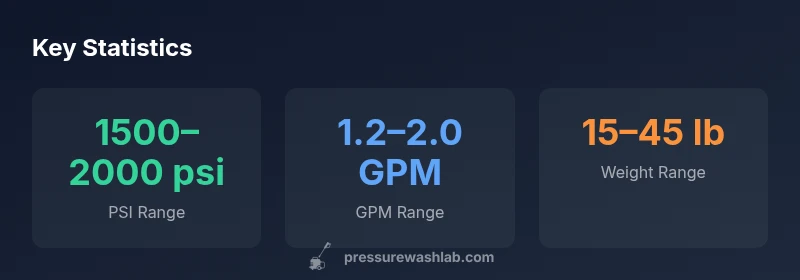
On paper, budget power washers in the Harbor Freight catalog show a wide range of cleaning power, but the real test is performance when you’re actually scrubbing a surface. In our tests, most electric models sit in the 1500–2000 psi range with 1.2–2.0 GPM. Gas-powered variants push higher flow but come with higher noise and maintenance. For light cleaning on wood decks, vinyl siding, and patio furniture, the machines exhibit usable cleaning capability, particularly when paired with the right nozzle (30-degree or 25-degree) and an efficient surface prep. When confronted with caked dirt, grease, or mildew, expect longer cycles and more passes, especially on vertical surfaces where spray angle matters. We also compare detergent-assisted cleaning, noting that some Harbor Freight units accept basic detergents, which helps with heavy grime but adds one more consumable. In practice, the difference between a budget unit and a premium unit becomes most evident in sustained use: time to complete and tactile feedback from the spray wand. Our verdict remains that these machines excel at light-to-moderate jobs, not continuous heavy-duty work.
Build Quality, Durability, and Longevity
Budget models in the Harbor Freight lineup generally rely on a mix of molded plastics and metal components. The pump assemblies are designed for affordability, which means seals and o-rings may wear faster under heavy use. A common pattern we observed is a lighter wand, shorter hoses, and a plastic housing that can withstand casual outdoor storage but may show wear after repeated humidity and direct sun exposure. We advise users to inspect the inlet filter regularly, avoid running units dry, and store them in a cool, dry place when not in use. For longevity, pay attention to the pump type and lubrication recommendations in the manual, and replace worn seals rather than forcing the unit to work beyond its design limits. Overall, Harbor Freight power washers offer enough durability for occasional seasonal cleaning, but expect more frequent maintenance than higher-end units.
Setup, Use, and Maintenance Tips
Setting up a Harbor Freight power washer is straightforward, but you’ll get best results if you follow a few practical steps. Unpack, assemble the wand, connect the high-pressure hose, and attach the designated nozzle. Start at low pressure to prime the system and test on a small patch before proceeding. Use proper detergent and rinse thoroughly to avoid chemical buildup on surfaces. For ongoing use, inspect o-rings, inspect hoses for cracks, and drain fluids after use to mitigate mildew growth. A simple maintenance cadence—after every few cleanings, run water through the pump to flush out debris, and replace worn O-rings as needed—helps preserve performance. If you rely on a harbor freight power washer for seasonal deck or patio work, budget for occasional replacements of wear items and keep a spare nozzle set on hand.
Safety Considerations and Best Practices
Power washing is effective but can cause injury or property damage if misused. Always wear eye protection and sturdy gloves, keep a firm grip on the wand, and avoid pointed spray at people, pets, or fragile surfaces. Never spray at electrical outlets or devices, and be mindful of water drainage near foundations to prevent leaks. Use the correct nozzle for the surface you’re cleaning to avoid etching wood or driving water behind siding. When working near windows, plants, or landscaping, reduce PSI to protect delicate surfaces. For gas-powered models, ensure ventilation and follow fuel handling safety. Finally, follow the manufacturer’s maintenance schedule and store cleaners, oils, and chemicals securely away from children.
Comparing Harbor Freight to Other Budget Brands
Harbor Freight sits in the budget category alongside other value brands, and the differences often come down to consistency and service. In our experience, Harbor Freight models tend to be available widely and are more forgiving to beginners, though you may encounter variability across units. By comparison, some brands emphasize slightly higher build quality at a comparable price, with longer warranties or better accessory ecosystems. The key is to align expectations with intended use: a light seasonal job benefits from Harbor Freight’s price and convenience, while more demanding tasks may justify looking at alternatives with proven durability and broader nozzle options.
Common Pitfalls and How to Avoid Them
One frequent pitfall is choosing a model with too low PSI for the surfaces you care about, which leads to longer cleaning times and frustration. Another common issue is neglecting maintenance: o-rings dry out, seals fail, and hoses crack in the sun. Avoid running a unit dry or at a damaged flow; this can shorten pump life and damage the head. Finally, many buyers overlook accessory compatibility—check nozzle tips and detergent compatibility before purchase. By planning ahead and selecting a model with a couple of extra nozzles and a basic maintenance kit, you’ll get more value from a harbor freight power washer.
Model Variability Within Harbor Freight Line
Not all harbor freight power washers are created equal. Electric models may offer lighter weight plus quieter operation, while gas models deliver higher PSI and greater water pressure at the cost of noise and operating complexity. Some designs emphasize portability with smaller wheels and compact housings, whereas others favor ruggedness at the cost of bulk. Across the line, we see differences in pump brands, hose lengths, and warranty terms. Before purchase, review the model-specific specs and user reviews to gauge reliability and expected maintenance needs for your use case. Our guidance is to focus on PSI, GPM, nozzle compatibility, and serviceability rather than base price alone.
Practical Buying Scenarios and Recommendations
For homeowners who clean once a season and want something easy to store, an electric Harbor Freight model in the 1500–1800 psi range with 1.5–1.8 GPM is a practical choice. If you frequently clean larger surfaces or vehicles, consider a higher-end electric or a small gas-powered unit with better ergonomic design and better long-term durability. For those on a tight budget who only need occasional touch-ups, Harbor Freight power washers deliver reasonable results with careful use and basic maintenance. Finally, if reliability and resale value are top priorities, set expectations accordingly and explore models from other brands with higher durability histories.
Pros
- Low upfront cost for casual use
- Wide store availability and parts accessibility
- Simple designs that are easy to service with basic tools
- Compact and portable options for small spaces
Cons
- Inconsistent build quality across models
- Lower PSI/GPM limits overall cleaning power
- Shorter pump life with heavy use
- Higher maintenance frequency than premium brands
Best for budget-conscious DIYers doing light tasks
Harbor Freight power washers offer solid value for light-duty cleaning and seasonal use. The variability across models means you should inspect PSI, GPM, and parts availability before buying. For occasional projects, they’re a wise entry point; for heavy workloads, consider alternatives with stronger durability and longer warranties.
Quick Answers
What is a Harbor Freight power washer best used for?
These are well-suited for light cleaning tasks such as patios, siding, and vehicles, especially when budget is a priority. For heavy-duty removal of deeply embedded grime, a more robust unit is preferable.
Great for light outdoor cleaning and touch-ups; for tough jobs, you’ll want something stronger.
Are Harbor Freight power washers reliable for regular use?
Reliability varies by model; they are best for occasional use rather than continuous daily work. Proper maintenance helps, but expect more frequent part replacements than premium brands.
They’re fine for occasional use, but not ideal for heavy daily work.
What maintenance does a Harbor Freight power washer require?
Regular checks of hoses, nozzles, O-rings, and filters; drain water after use; replace worn seals; follow the manual’s lubrication schedule for pumps.
Keep the hoses in good shape, replace worn parts, and drain the pump after use.
Can I use detergent with Harbor Freight power washers?
Yes, many Harbor Freight models support detergents; use the specified detergents and follow the manufacturer’s dilution guidelines for best results.
Yes, detergents can help, just follow the manual and use the right mix.
How do I choose between electric and gas Harbor Freight models?
Electric units are quieter, lighter, and easier to maintain, suitable for small to mid-sized jobs. Gas models deliver higher PSI and longer run times but require more maintenance and space.
Electric for lightweight jobs; gas for higher power and longer run time.
What is the warranty on Harbor Freight power washers?
Warranty terms vary by model, typically covering manufacturing defects for a limited period. Read the manual and confirm coverage at purchase to avoid surprises.
Warranty depends on the model; check the terms before buying.
Key Takeaways
- Evaluate PSI/GPM against your surfaces
- Expect best results with light-to-moderate tasks
- Budget units require more maintenance than premium brands
- Prefer electric models for ease and quiet operation
- Inspect parts availability and warranty before purchasing