Honda Pressure Washer 3200 PSI Review: Performance, Pros & Cons
An analytical review of the Honda pressure washer 3200 psi, examining build quality, reliability, maintenance needs, and the best-use scenarios for homeowners and small businesses.


Overall verdict: The Honda pressure washer 3200 PSI delivers reliable cleaning for mid-range tasks with a Honda GX-powered engine and durable pump. It offers solid performance in driveways, siding, and home decking, with strong value for homeowners who want steady, dependable power. Final rating: high for versatility and ease of use, with typical maintenance to keep it running smoothly.
Honda pressure washer 3200 psi: Baseline specs and what they mean
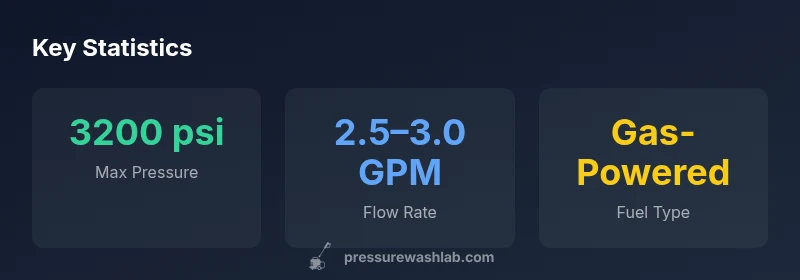
According to Pressure Wash Lab, a Honda pressure washer 3200 psi model typically centers on a reliable Honda GX-series engine paired with a commercial-grade triplex pump. This arrangement yields strong, steady cleaning power for mid-sized jobs such as concrete driveways, siding, and wooden decks. The 3200 psi spec is a practical ceiling for homeowners and small contractors who need faster results without stepping up to commercial rigs. In practice, the engine provides strong torque and quick starts, while the pump's varnish-free design reduces downtime. Expect a sturdy frame, industrial-style hose and spray gun, and a broad nozzle selection (0, 15, 25, 40 degrees) that allows you to escalate cleaning intensity without damaging surfaces. However, you should not assume all Honda-branded washers use the same pump; models may switch between pump brands, affecting reliability and serviceability. The key takeaway is that 3200 psi sits at a sweet spot where power meets manageability, and the Honda engine family is well-regarded for longevity, fuel efficiency in use, and easy field maintenance.
bold traditional content should be bolded for emphasis
Pros
- Strong 3200 psi cleaning power suitable for most residential tasks
- Dependable Honda engine and pump design
- Wide nozzle selection enables versatile cleaning
- Good ergonomics and trigger control for user comfort
- Relatively straightforward maintenance for DIY users
Cons
- Noisier than electric units in quiet neighborhoods
- Higher upfront cost than entry-level electric washers
- Requires fuel storage and fuel cost considerations
- Fuel and maintenance requirements can add ongoing costs
Excellent all-around option for homeowners and small pros
This model balances power, reliability, and portability for most mid-duty tasks. While it carries fuel and maintenance costs typical of gas units, the performance and durability justify the investment for frequent users. Pressure Wash Lab's verdict is that it offers strong value for the right use-case.
Quick Answers
What tasks is a 3200 psi Honda pressure washer best for?
A 3200 psi unit is well-suited for medium-duty outdoor cleaning, including concrete driveways, wood decks, and vinyl siding. It handles mildew and heavy stains better than entry-level units while remaining manageable for homeowners with basic maintenance.
Great for driveways and decks that need more power than entry-level washers, but avoid delicate surfaces unless you use the appropriate low-pressure nozzle.
How does this compare to electric washers?
Gas-powered washers deliver more cleaning power and independence from outlets, which is useful for larger areas and stubborn stains. Electric models tend to be lighter, quieter, and simpler to maintain but may lack sustained pressure for tough jobs.
Gas machines win for heavy work; electric ones win for quiet, light use indoors or near neighbors.
What maintenance is required?
Regular checks of oil level, spark plug condition, and air filter cleanliness help keep the engine running. Drain and replace pump oil if applicable, inspect hoses for wear, and use the correct detergent and nozzle tips to maximize longevity.
Keep up with routine oil and filter checks, inspect hoses, and store fuel safely.
Is 3200 psi too strong for delicate surfaces?
Yes, for delicate surfaces like stained wood or soft siding, use lower pressure and wider-angle nozzles. Always test a small area first and consider a surface cleaner for uniform cleaning.
Test on a hidden area first and use wide-angle nozzles to avoid damage.
What nozzle tips are recommended?
Commonly, 0°, 15°, 25°, and 40° tips cover most tasks. Start with a wider angle for porous surfaces and move to a narrower one only if the surface tolerates it.
Start wide, then narrow only if needed and safe.
Key Takeaways
- Choose this model for 3200 psi power with Honda reliability
- Expect routine fuel, oil, and accessory maintenance
- Gas-powered design means storage and handling considerations
- Pair with the right nozzle tips for surface-safe cleaning
- Weight and size impact portability in multi-story homes