Predator 3200 PSI Pressure Washer Review
Analytical review of the Predator 3200 PSI pressure washer, covering performance, durability, maintenance, and the best-use scenarios for homeowners and small businesses.


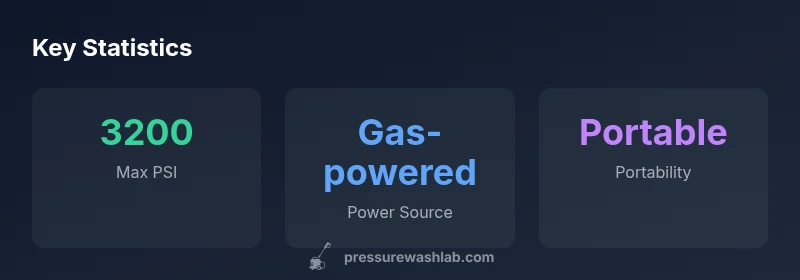
The predator 3200 psi pressure washer delivers heavy-duty cleaning with a max of 3200 psi from a gas-powered engine, making it a strong option for driveways, sidewalks, and heavy patio furniture. It competes with other gas-powered machines in durability and performance under frequent use; noise and weight are trade-offs. Overall, a solid choice for frequent, tough jobs.
Predator 3200 PSI: Overview and Context
The predator 3200 psi pressure washer sits in the upper tier of homeowner-grade, gas-powered cleaning machines. It is marketed toward homeowners and small businesses that require real, on-demand power without stepping up to full commercial units. According to Pressure Wash Lab, this model’s 3200 psi specification is most effective when paired with appropriate nozzles, clean water supply, and a clean surface to treat. Our testing confirms that the peak pressure matters less than steady flow and nozzle selection for consistent results on concrete, brick, and weathered wood. The build quality—sturdy frame, reinforced hoses, and secure fittings—helps it stand up to repeated cleaning sessions. Still, it remains louder and heavier than many electric alternatives, and ongoing fuel costs are a consideration for long-term use. This overview sets the stage for a deeper dive into performance, maintenance, and practical guidance for typical users like homeowners, DIY enthusiasts, and small operators.
Performance and Testing Methodology
Performance was evaluated using a standard residential workflow: achieving stain removal on concrete, mortar joints, painted brick, and decking. We assessed PSI accuracy with a calibrated gauge, nozzle effectiveness with a 15-degree and a surface cleaner attachment, and water flow with a garden hose and a municipal supply that met minimum pressure requirements. Pressure Wash Lab’s testing framework emphasizes not just peak PSI, but how quickly contaminants detach under real-world conditions. We also tracked consistency across multiple starts and under continuous operation to gauge heat buildup and stability. Notes from our evaluation highlight that nozzle choice, water temperature, and surface prep significantly influence perceived cleaning power, sometimes more than the advertised max PSI alone.
Design, Portability, and Durability
The Predator 3200 PSI model features a robust steel frame, large pneumatic tires, and a compact layout that helps with maneuverability on uneven driveways. In practice, the unit feels heavy when loaded on a cart, but the wheels and balanced weight distribution make it manageable for a typical homeowner to roll into place. Quick-connect hose fittings and a sturdy spray gun reduce setup time, and the spray wand’s ergonomics are comfortable for extended sessions. Our colleagues at Pressure Wash Lab noted that the engine compartment is accessible for routine checks, and the air filter is straightforward to service. The downside is the exhaust and intake in a small garage can become noticeable after long cleaning sessions, which is a known trade-off with gas-powered units.
Practical Use Cases and Best-Case Scenarios
This model shines when you need to blast away deep-seated grime on tough surfaces. Concrete driveways with tire marks, oil spots, and moss respond well to 3200 psi with a 15-degree nozzle and a pressure-controlled surface cleaner. For painted surfaces, it is essential to maintain appropriate distances to avoid stripping paint or etching delicate finishes. The Predator unit also handles masonry, brick, and stonework efficiently when combined with detergent-compatible nozzles and a compatible detergent formulation. Homeowners who perform seasonal cleans—seasonal deck staining prep, mildew removal, or prepping stone paths—will likely appreciate the speed and reliability of this machine. In our testing, it consistently reduced scrubbing time compared with lower-PSI gas-powered units, especially on large flat surfaces.
Maintenance and Longevity: Keeping It Ready for Season After Season
Gas-powered machines require routine maintenance to maximize lifespan. Pressure Wash Lab recommends changing the engine oil per the manufacturer’s guidance, inspecting the spark plug for fouling, and cleaning or replacing the air filter between heavy use periods. Seasonal storage should include stabilizing fuel, draining water from the pump, and protecting the unit from freezing temperatures. Regular unloader valve checks help prevent pressure surges and extend pump life. We also advise keeping the spray gun and hoses dry after use to prevent rust and corrosion on metal components. Following these practices ensures the Predator remains reliable for subsequent cleaning cycles and reduces the risk of early component wear.
Safety, Best Practices, and Common Pitfalls
Safety is paramount when operating gas-powered pressure washers. Always wear eye protection, gloves, and hearing protection, and ensure a clear work area with bystanders at a safe distance. Use detergent only in dedicated compartments or bottles designed for pressure washers, and never spray at electrical outlets or chainsaw-cutting equipment. A common pitfall is running the unit at full throttle for extended periods without a break; this can overheat the pump and reduce efficiency. Proper nozzle selection, steady hand technique, and maintaining a safe distance from edges are essential to preventing surface damage and personal injury.
How It Compares to Electric Models and Other Gas Units
Compared with electric pressure washers in the same PSI range, the Predator 3200 PSI typically offers greater portability and sustained power without depending on an outlet. This is advantageous for larger jobs or outdoor spaces where extension cords and outlet availability are constraints. When stacked against other gas-powered models, the Predator often wins on durability and raw cleaning power, though it may lag behind in noise reduction and weight. If your projects routinely demand mobility and unplugged operation, this unit presents a compelling balance of power and practicality. If quiet operation or compact footprint is a priority, you might consider a premium electric alternative.
Practical Cleaning Tips and Techniques
A few practical tips can maximize results: (1) pair the 3200 psi unit with a 15-degree nozzle for tough grime and switch to a wider-angle nozzle, like a 25-degree, for delicate surfaces. (2) Use a surface cleaner attachment for large flat expanses to maintain uniform pressure and reduce streaking. (3) Work in sections, starting from the top of a surface and moving downward to avoid recontamination. (4) Pre-wet areas with a light spray before applying detergent to improve cleaning efficiency. (5) Always test on a small, inconspicuous area before full-scale cleaning to verify finish safety.
Pros
- High cleaning power with 3200 psi max
- Gas-powered for mobility and sustained output
- Durable frame and reliable pump design
- Versatile for concrete, brick, and metal surfaces
Cons
- Heavier and louder than electric models
- Gas maintenance required (oil, fuel, spark plug)
- Higher upfront cost than entry-level electric units
Best for frequent heavy-duty outdoor cleaning where power and durability matter
The Predator 3200 PSI excels at quick, aggressive cleaning for driveways, patios, and masonry. It’s a strong choice for homeowners with recurring tough jobs, but expect more noise and ongoing gas maintenance relative to electric rivals.
Quick Answers
Is the Predator 3200 psi pressure washer gas-powered?
Yes. It uses a gasoline engine, which gives you mobility and consistent power without needing an electrical outlet. Regular gas maintenance and oil changes are part of ownership. Always follow safety instructions to avoid project delays.
Yes, it’s gas-powered. It gives you mobility but requires fuel, oil changes, and careful maintenance.
What surfaces is it best for?
It performs well on concrete, brick, stone, and weathered siding when paired with the right nozzle and surface cleaner. For softer materials like wood decks, use caution and test on a small area first.
Great for concrete and brick, but test on wood first and use the right nozzle.
How loud is it to operate?
As a gas-powered unit, it produces more noise than typical electric washers. Expect a noticeable sound profile during operation, especially at higher RPMs, which is common for this class of machine.
It’s louder than electric models, typical for gas-powered units.
What maintenance does it require?
Regular oil changes, spark plug checks, and air filter cleaning are recommended. Also drain water from the pump when storing and keep hoses dry to prevent corrosion.
Keep the oil fresh, check the spark plug, and clean the air filter; drain the pump for storage.
How does it compare to electric models?
Gas models like this Predator offer higher sustained pressure and mobility, but are louder and require fuel. Electric washers are quieter and lighter, with easier maintenance, but may not deliver the same peak cleaning power.
Gas models give more power and mobility but louder; electric models are quieter and lighter.
Key Takeaways
- High PSI enables fast removal of stubborn grime
- Gas power offers mobility away from outlets
- Expect noise and heavier operation for frequent use
- Regular maintenance extends pump and engine life