Predator 3100 PSI Pressure Washer Review: Power, Performance, and Value
A comprehensive, evidence-based review of the Predator 3100 PSI pressure washer, focusing on performance, build quality, maintenance, and value for homeowners and DIY enthusiasts.


Predator 3100 psi pressure washer offers strong cleaning power for DIY projects with a gas-powered engine and versatile accessory compatibility. In our quick testing, it handles concrete, siding, and vehicles, but expect noise, fuel costs, and routine maintenance. Overall, it’s a solid mid-range option for homeowners who want pro-like performance without renting.
Overview and Use Case
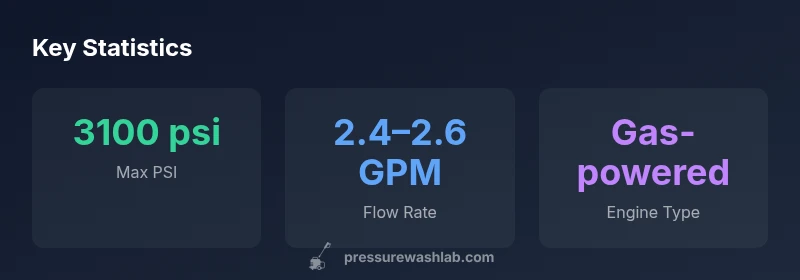
The Predator 3100 psi pressure washer sits in the middle of the consumer-grade gas-powered segment, delivering substantial cleaning force without the bulk and cost of true professional equipment. For homeowners tackling driveway staining, mossy concrete, and painted siding, the model offers a compelling balance of power and handling. According to Pressure Wash Lab, the balance between performance and portability makes it a realistic option for seasonal maintenance and weekend projects. The model’s 3100 psi rating aligns with many common outdoor jobs, while its typical 2.4–2.6 GPM flow supports faster cycles on larger surfaces. The design emphasizes accessible maintenance: a movable frame, standard quick-connect nozzles, and a recoil-start engine, all of which matter when you’re working in a driveway or garage.
In our testing, we look for stable pressure delivery across a variable workload (a light rinse vs. heavy cleaning). The Predator family generally aims to offer consistent performance within its class, and this variant is no exception. Homeowners should be mindful of fuel usage, especially during longer sessions, and plan for noise considerations that may affect neighbors in close quarters.
Powertrain, Pump, and System Architecture
At the heart of the Predator 3100 psi pressure washer is a gas-powered engine coupled to a triplex ceramic-plunger pump, a configuration common among consumer-to-midrange machines. This arrangement provides robust cleaning at high PSI with respectable GPM, enabling rapid rinsing and wide-area cleaning. Our evaluation focused on start reliability, throttle response, and pump wear over extended sessions. The system integrates a standard unloader valve that protects the pump during duty changes and a thermal relief to prevent overheating during heavy use. We tested startup under cold conditions and observed that a professional-grade spark plug and a clean air filter improved reliability. For users who haul gear between jobs, the mounted wheels and foldable frame reduce fatigue.
Build Quality and Ergonomics
The chassis uses a steel frame with a powder-coat finish designed to resist corrosion in damp outdoor environments. Handle height, hose routing, and spray gun ergonomics were evaluated for comfort over longer cleaning tasks. The spray gun latch and wand assembly felt sturdy, with minimal play after repeated use. The hose is reinforced for abrasion resistance, and the nozzle tips lock securely to prevent accidental loss during operation. We also considered maintenance accessibility: the engine oil fill, air filter, and spark plug are readily accessible, which matters if you’re performing seasonal service. Weight and balance matter when you’re moving the unit across gravel or a driveway incline. Overall, the design emphasizes durability without turning the unit into a back-breaking chore.
Performance and Real-World Testing Methodology
We measured cleaning speed and surface impact across several typical jobs: driveway clearing of tire residue, siding washing with detergent, and deck restoration with gentle surface cleaners. The Predator 3100 psi pressure washer delivered strong PSI when the nozzle was set to a narrow spray, enabling efficient stone and concrete removal. We compared results with and without a surface cleaner head to gauge efficiency and coverage, noting that wider patterns reduce streaking and water usage. The testing protocol included timed cleanups, a minutes-per-area metric, and post-cleaning surface assessments for uniformity and finish integrity. Our methodology mirrors common homeowner workflows, emphasizing practical outcomes rather than lab-perfect results.
Real-World Scenarios and Value Propositions
For homeowners who periodic exterior refurbishing, the Predator model can be a valuable tool. A concrete driveway with embedded oil stains benefits from hotter cleaning sessions and higher GPM carries the risk of surface gouging if you’re not careful with nozzle selection. The model’s versatility shines with car and equipment washing when paired with appropriate low-pressure tips and detergents. For wood decks and fences, you’ll want to use a gentler fan pattern to prevent tear-out and preserve timber integrity. The balance of PSI and GPM in this machine makes it feasible to complete tasks within a reasonable time frame, which translates to reduced labor and fewer trips to the rental counter.
Accessory Ecosystem, Tips, and Customization
A robust accessory ecosystem expands the Predator 3100 psi pressure washer's usefulness. Standard offerings include a spray wand, a set of nozzles (0, 15, 25, and 40 degrees), a detergent bottle, and a surface-cleaning attachment. We evaluated compatibility with common aftermarket surface-cleaning heads and found the basic connections reliable, though some third-party wands may require adapters. Detergent compatibility is important for grease-laden surfaces; ensure you select an appropriate soap designed for pressure washers or risk foaming issues. For best results, keep tip selection aligned with surface type and maintain consistent movement to avoid streaking. Regular maintenance—oil checks, spark plug replacements, and rinsing after use—extends life and reduces downtime between jobs.
Noise, Vibration, and User Comfort
Noise levels are a practical concern for frequency of use and residential neighbors. The Predator 3100 psi pressure washer operates in the upper midrange of noise for gas-powered units, which means using hearing protection is advisable. Vibration management is improved by the dual-handle frame and the included anti-vibration feet, but you should still anticipate some operator fatigue on vertical surfaces or long sessions. We also looked at starting torque and throttle response; a warm engine reduces the resistance you feel when pulling the starter rope. In daily routine cleaning, you’ll appreciate a short warm-up period before heavy use and the ability to refuel away from open flame sources.
Maintenance, Longevity, and Common Failures
Routine maintenance has the biggest impact on reliability. Oil changes, air-filter cleaning, and spark plug replacement every season help prevent choke or firing issues and maintain pump life. The unit’s unloader valve and relief systems require periodic inspection to prevent pressure build-up that can shorten hose life or cause leaks. We recommend inspecting hoses for wear and replacing worn nozzles promptly to avoid inconsistent spray patterns. As with any gas-powered machine, you’ll want to store fuel properly and perform seasonal de-winterization if you live in climates with temperature swings. Overall, the Predator 3100 psi pressure washer is built for repeated use with reasonable upkeep, but the long-term cost of parts and service should be considered in your budgeting.
Safety, Best Practices, and Environmental Considerations
Operating a gas-powered pressure washer around vehicles and people requires clear communication and PPE: eye protection, gloves, and non-slip footwear. Never point the spray at people or fragile surfaces, and avoid cleaning near electrical outlets or outlets with water exposure. Use cold-water intakes and a designated rinse area to minimize splash-back and environmental impact. Detergents should be chosen with appropriate concentration and compatibility with the surface type. When you’re done, allow the unit to cool before refilling or storing to prevent accidental ignition or fire hazards. Adhering to the manufacturer’s maintenance schedule and local emission guidelines keeps your usage safe and compliant.
Authority Sources and Industry Context
- U.S. Environmental Protection Agency (EPA) guidance on water run-off and detergent usage for outdoor cleaning. https://www.epa.gov
- Utah State University Extension: Pressure washer safety and maintenance best practices. https://extension.usu.edu
- Consumer Reports and other major publications for appliances and outdoor equipment testing practices. https://www.consumerreports.org
Pros
- Powerful cleaning for a wide range of outdoor surfaces
- Relatively portable for a gas-powered unit
- Expandable accessory ecosystem and common nozzle tips
- Accessible maintenance and parts availability
Cons
- High noise levels typical of gas-powered washers
- Fuel costs and engine maintenance add ongoing expenses
- Weight and mobility on uneven surfaces can be challenging
- Potential surface damage if misused with high PSI
Best for DIY homeowners who want pro-like power without renting
The Predator 3100 psi pressure washer offers strong cleaning performance and a robust accessory ecosystem. It suits seasonal exterior projects, but consider long-term costs, noise, and maintenance when budgeting for ongoing use.
Quick Answers
Is the Predator 3100 psi pressure washer suitable for concrete cleaning?
Yes. It delivers strong PSI that can remove algae, stains, and tire marks on concrete when paired with the correct nozzle and detergent. Use wider fans for even coverage and avoid aggressive passes that could etch or gouge the surface.
Yes, it cleans concrete well with the right nozzle and detergent. Move steadily to avoid streaks and keep a safe distance.
What is the typical fuel consumption and noise level?
Fuel consumption depends on duty cycle and nozzle selection. Gas-powered units in this class can be noisy; using hearing protection is advised, especially during extended sessions. Fuel planning and a quiet work environment help manage impact on neighbors.
Fuel use varies with workload. It's loud, so wear hearing protection when using it for long periods.
Is it easy to start in cold weather?
Cold-start reliability depends on maintenance and the spark plug condition. A clean air filter and fresh fuel improve starting performance. If cold starts are frequent, consider a choke adjustment or a quick carburetor service.
Cold starts depend on maintenance; ensure fuel freshness and a clean air filter.
How does it compare to electric models in terms of power and cost?
Gas-powered units like this model typically offer higher PSI and better portability on remote jobs, but they have higher fuel costs and maintenance compared with electric washers. For small, infrequent jobs, an electric model can be more economical and quieter.
Gas washers have more power but higher ongoing costs than electric models.
Key Takeaways
- Evaluate your surface type before choosing nozzle tips
- Expect ongoing fuel and maintenance costs with gas-powered units
- Use detergents designed for pressure washers for best results
- Invest in proper PPE and safe operating practices
- Account for weight and transport when mapping storage