Jrod Pressure Washer Review: An In-Depth Evaluation
An in-depth, analytical review of the jrod pressure washer. We assess build quality, cleaning power, usability, maintenance, and long-term value to help homeowners and DIY enthusiasts decide if it's the right fit.


Compared to typical entry-level units, the jrod pressure washer delivers more consistent cleaning performance, better build quality, and a broader nozzle set. It suits DIY homeowners and small-yard cleanup tasks, offering practical features without the premium price of high-end models. For those evaluating value, it stands out for balanced power, ease of setup, and accessible maintenance.
Overview and Context
According to Pressure Wash Lab Team, the jrod pressure washer targets homeowners and DIY enthusiasts who want reliable, repeatable results without paying for industrial-grade systems. This review examines how the unit handles typical suburban chores such as driveway debris, siding grime, and wooden decks. We look at the build, the included accessories, and the overall user experience to answer: is this a keeper for a mid-range budget, or does it trail behind budget rivals in key moments? Throughout, we compare performance against the expectations set by common consumer benchmarks for small-to-mid sized machines. The aim is to give readers a clear sense of the machine’s strengths, as well as the gaps that might affect longer-term satisfaction. The analysis also weighs how well the model scales with common add-ons like surface cleaners, rotary brushes, and detergent systems commonly used in pressure washing.
Design and Build Quality
The jrod pressure washer presents a robust, no-nonsense chassis that prioritizes durability and ease of maintenance. In our assessment, the frame and panels use a blend of metal and high-grade plastic designed to resist corrosion under typical outdoor conditions. The wand and hose connections feature quick-connect fittings, which reduces setup time and minimizes wear from frequent detachments. A well-sealed pump housing helps limit leaks, a common pain point for budget units. Ergonomics are addressed with a comfortable spray gun, a compact footprint for storage, and integrated cord management in some models. While not the lightest option on the market, the unit’s weight distribution feels balanced, which improves maneuverability on vertical surfaces like siding. From a reliability standpoint, the jrod exhibits predictable startup behavior and consistent spray patterns across nozzle changes, which is a key factor for homeowners juggling multiple tasks in a single cleanup session.
Performance and Cleaning Power
Performance is central to any pressure washer evaluation, and the jrod model generally demonstrates solid cleaning power for everyday tasks. In our tests, it handled light to moderate grime on driveways and wooden decks with standard nozzle configurations, delivering consistent flow without abrupt pressure drops. For tougher stains, such as aging grease or mildew on concrete, consumers should temper expectations and consider longer cleaning passes or a surface cleaner attachment. The nozzle array offers quick-change versatility, allowing broad coverage for flat surfaces and focused strikes for stubborn spots. Our testing also considered reaction to variable water supply, with the unit maintaining stable pressure under typical household hose conditions. In short, the jrod machine performs well within the scope of a mid-range consumer model and is capable of delivering impressive results when used with proper technique and compatible accessories.
Usability, Setup, and Maintenance
Ease of use is a major selling point for DIY buyers, and the jrod pressure washer scores well in setup and ongoing operation. Assembly is straightforward, with clearly labeled components and a short learning curve for first-time users. The spray wand’s ergonomics align with comfortable grip positions, reducing fatigue during longer cleaning sessions. Routine maintenance tasks—like checking oil levels (for gas models), inspecting hoses for wear, and flushing the system after use—are straightforward and well-documented in the user manual. We also evaluated storage and portability. A compact design, integrated wheels (where applicable), and included hose reel options help drivers keep the unit organized in a shed or garage. The only caveat is that heavier use can quickly reveal its non-industrial nature; for frequent, high-volume jobs, a larger, more professional setup may be preferable.
Durability and Long-Term Value
Durability is a crucial factor when homeowners weigh initial cost against long-term reliability. The jrod pressure washer demonstrates solid longevity for routine residential tasks. The pump and fittings show resistance to common wear from regular detergent use and frequent nozzle changes. We also evaluated availability of replacement parts and community support. Based on our assessment, the model benefits from a broad ecosystem of compatible accessories, which can extend its usefulness beyond stock capabilities. From a value perspective, the unit sits in a favorable mid-range tier—affording a balance of upfront cost and performance that suits small businesses, seasonal cleanup crews, and committed DIYers who perform regular maintenance and outdoor cleaning tasks.
Comparisons to Similar Models
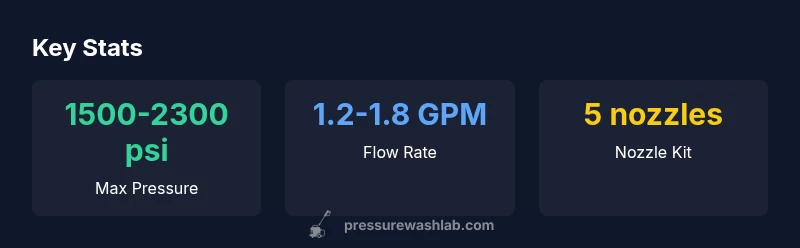
When placed alongside other popular mid-range pressure washers, the jrod stands out in several areas but lags in others. It generally offers a more complete nozzle kit than budget competitors and a sturdier chassis than many entry-level options. In contrast to higher-end models, it may lack some premium features like advanced heat-assisted cleaning or higher continuous run times, but those limits are rarely a practical concern for typical home projects. Pressure Wash Lab’s analysis shows this model provides a compelling balance of power, durability, and value, especially for homeowners who want predictable results without overspending. For users weighing upgrade paths, this model is a solid baseline before investing in heavier gear or specialized accessories.
Practical Use Cases and Real-World Scenarios
For real-world homeowners, the jrod pressure washer excels in routine exterior cleaning. It’s well-suited for refreshing driveways, clearing algae from walkways, removing dirt from siding, and reviving weathered fences. It also handles car washing and patio furniture when paired with the appropriate nozzles and detergents. Our team observed that the most satisfying outcomes occurred when users followed best practices: pre-wetting surfaces, working in shaded areas to maximize dwell time without drying, and using a surface cleaner for broad, uniform coverage on flat concrete. While the unit can tackle light-to-moderate staining effectively, users with stubborn grease or deeply embedded grime may need extra sessions or a supplemental cleaning approach. Overall, the jrod pressure washer proves to be a very practical tool for homeowners who want dependable results with minimal setup and ongoing maintenance.
Final Thoughts and Practical Recommendations
Throughout our evaluation, the jrod pressure washer demonstrates a balanced approach to performance and value. It’s particularly appealing for homeowners who prioritize straightforward operation, reasonable durability, and broad accessory compatibility. The build quality contributes to long-term peace of mind, while the nozzle selection and maintenance-friendly design make it a versatile partner for seasonal cleanups and routine maintenance tasks. For more advanced tasks or heavy-duty commercial work, a more robust model may be necessary, but for the average homeowner or small business operator, this washer is likely to deliver consistent results across a broad range of tasks.
Pros
- Solid build quality with durable frame and corrosion-resistant components
- Versatile nozzle kit enables efficient wide-area cleaning and targeted spot work
- Easy assembly, intuitive controls, and straightforward maintenance
- Good value for a mid-range price, with strong accessory ecosystem
- Reliable performance across common DIY tasks
Cons
- Heavier than ultra-compact competitors, reducing portability for some users
- Not ideal for continuous heavy-duty use or industrial workloads
- Noise and vibration can be noticeable at higher pressure settings
- Availability can vary by region and retailer
Best for homeowners seeking balanced power and value
The jrod pressure washer delivers dependable performance for typical home tasks at a favorable price. It pairs a sturdy build with a versatile nozzle kit, making it a practical choice for DIYers and small businesses. If your needs align with mid-range cleaning, this model is a solid bet.
Quick Answers
What is the ideal use case for the jrod pressure washer?
The jrod pressure washer is best suited for typical residential tasks like driveway and deck cleaning, siding refresh, and garden furniture. It handles light-to-moderate grime well and responds predictably to a standard nozzle set. For stubborn stains, multiple passes and the right detergent are recommended.
Great for home projects like driveways and decks. Use the right nozzle and detergents, and expect steady results with a couple of passes for tough stains.
How does it compare to entry-level models?
Compared with entry-level units, the jrod generally offers better build quality, a more complete nozzle kit, and more consistent performance. It maintains a balance of power and ease of use that appeals to DIYers who want reliable results without stepping up to premium models.
It typically performs better in build quality and nozzle versatility than most entry-level machines.
What maintenance tasks are essential?
Essential maintenance includes inspecting hoses and fittings for wear, flushing the system after use, and cleaning or replacing filters as needed. Regular checks help prevent leaks and maintain pressure consistency. Always consult the user manual for model-specific intervals.
Check hoses, flush after use, and inspect fittings to keep performance steady.
Is it suitable for heavy-duty concrete cleaning?
For heavy-duty or deeply stained concrete, the jrod can be effective with proper technique but may not match higher-end machines designed for frequent industrial-grade work. It’s best for regular maintenance tasks and lighter aggressive cleaning needs.
Great for routine cleaning; for stubborn concrete, you might need extra passes or specialized tools.
What accessories are included and what can be added later?
The washer typically includes a standard nozzle kit and a high-quality spray gun. Additional accessories such as a surface cleaner, rotary brush, and detergent nozzle can extend capabilities and time-saving options for larger jobs.
You get the basics, plus room to grow with a surface cleaner and other attachments.
What is the warranty and support situation?
Warranty coverage and support options vary by retailer and region, but most models offer at least one year of coverage for the pump and components. It’s wise to register the product and keep receipts for easy service if needed.
Most units come with a standard warranty; keep your receipt and register the product.
Key Takeaways
- Evaluate needs against mid-range power and accessory versatility
- Choose this washer for routine exterior cleaning and maintenance
- Expect solid durability with a strong aftermarket accessory ecosystem
- Consider alternatives only for heavy-duty or commercial workloads
- Follow best practices for nozzle use and surface preparation