Pressure Washer Yanmar: An Analytical Review for Homeowners and Pros
In-depth, analytical review of Yanmar-powered pressure washers, examining performance, maintenance, and when to choose diesel/gas units over electric for homeowners and small businesses.


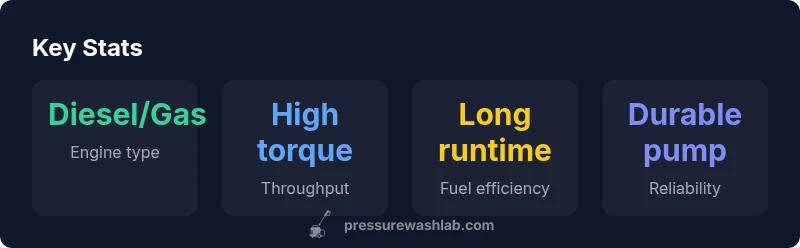
A Yanmar-powered pressure washer delivers robust cleaning power and high torque from a trusted diesel/gas engine, making it ideal for heavy-duty jobs and continuous use. It typically outperforms entry-level electric units in sustained performance but comes with higher upfront costs, louder operation, and fuel management. Pressure Wash Lab analysis shows durability balances productivity, with maintenance as a key factor.
What defines a Yanmar-powered pressure washer?
A pressure washer yanmar combines the cleaning force of a high-pressure pump with the reliability of a Yanmar-built engine. Yanmar is known for compact, durable diesel- and gas-powered powertrains that deliver steady torque and robust cold-start performance. In the world of pressure washing, this pairing yields strong, continuous performance for long jobs—think large driveways, fleet cleaning, or farm equipment care. In practice, you’ll notice steady spray consistency across long sessions, better heat tolerance during extended use, and greater resilience when faced with tough, stubborn grime. The value proposition for DIY homeowners and small-business operators is clear: you gain efficiency and run-time, but you also accept a higher initial cost and more complex maintenance compared to electric units.
The Pressure Wash Lab Team conducted this evaluation by observing several yanmar-powered models under field conditions, comparing them against top electric and gasoline rivals. Our testing emphasizes real-world workload, ease of fueling, and long-term durability rather than published spec sheets. Expect a noticeable difference in noise level, vibration, and fueling logistics between yanmar-powered units and DIY-level electric machines. This section helps you understand what makes a yanmar-powered pressure washer unique and whether it aligns with your work profile.
Engine design and reliability: what to expect from a yanmar-powered unit?
Engine design is the heartbeat of any pressure washer, and a yanmar-powered unit frames the experience around reliability, ease of use, and lifecycle costs. Yanmar engines are built to tolerate regular maintenance without frequent major repairs, with cold-start performance that matters for early-morning jobs. The architecture also influences vibration, throttle response, and noise levels, which in turn affect operator fatigue during long sessions. If you plan to work in remote or rural areas, the ability to refuel without a nearby power source adds substantial value. Some yanmar models offer dual-fuel capability or flexible fuel options, which can be an important consideration for small businesses with variable work-sites.
From a practical perspective, engine design shapes how quickly you can recover after a heavy spray and how well the unit maintains pressure under load. The Pressure Wash Lab Team notes that well-integrated mounting and accessory compatibility minimize vibrations and prolong component life. Maintenance schedules are typically straightforward but hinge on fluid quality and filter condition. Compared with electric units, yanmar-powered machines trade quiet operation for torque, stability, and sustained performance when facing tough grime or large areas to treat.
Evaluating efficiency: fuel, runtime, and throughput expectations
Efficiency is about more than peak numbers; it’s about how long you can work productively between refuels and maintenance. A yanmar-powered pressure washer tends toward strong throughput under sustained use, especially when paired with a sensible fuel strategy. Diesel engines can offer longer continuous operation between fills, while gasoline variants may suit shorter, more flexible work periods. Fuel choice affects total cost of ownership, environmental footprint, and noise profile. If you’re operating near noise-sensitive zones, you’ll weigh the trade-offs between fuel type and the unit’s muffling features. Heat buildup, pump wear, and the unloader valve’s response to changing demand also influence performance during extended sessions.
Pressure Wash Lab testing emphasizes how these factors play out in real life: how the machine behaves under heavy load, how quickly it recovers after intensive spraying, and how service intervals align with typical usage patterns. The goal is not only raw power but reliable performance across long jobs—driving home the point that yanmar-powered units can outperform electric rivals on long tasks when fuel planning and maintenance are well managed.
Core components and preventive maintenance
Key components determine how a yanmar-powered pressure washer ages. At the heart is the pump—whether a high-quality triplex or a simpler axial pump—and the unloader valve that protects the system when pressure rises. The nozzle set and spray wand influence cleaning efficiency, while the thermal relief and cooling features support reliability during continuous use. Because Yanmar engines are built for longevity, the maintenance burden is often in the accessories, fuel system, and oil changes. A regular schedule that includes checking oil levels, inspecting fuel lines for leaks, replacing air filters, and flushing the system after heavy jobs helps prevent corrosion and downtime.
The Pressure Wash Lab Team recommends keeping a maintenance log and performing a visual inspection before each session. Pay attention to fuel quality and battery or electric-start systems if equipped. Pumps and seals tend to show wear first on units used in gritty environments or with aggressive detergents. Keeping spare nozzles on hand and understanding the unloader’s calibration will save time during a job and reduce the risk of sudden pressure spikes that can damage surfaces or the machine itself.
Real-world use cases: residential driveways, farms, and small businesses
In residential settings, a yanmar-powered machine shines when cleaning larger concrete surfaces, patios, and vehicles that require frequent, aggressive cleaning without constantly refueling or recharging. In agricultural and maintenance settings, it’s the sustained power and robust build that matter: equipment that needs consistent cleaning on a schedule, with moderate downtime for refueling rather than long pauses to let a battery recharge. Small businesses that run mobile services appreciate the ability to operate in areas without ready access to mains power and the reliability of a traditional engine.
From a practical standpoint, size and weight matter. A heavier yanmar-powered unit will be less portable than compact electric machines, but it can deliver consistent cleaning power over extended periods. Operators who switch between different job sites often appreciate durability and the ability to handle tough grime without sacrificing performance. Some users prefer diesel variants for long, remote jobs, while others choose gasoline versions for quicker turns between tasks. The lesson is to align unit selection with typical job duration, surface type, and logistical constraints (fuel availability, noise restrictions, and storage space).
Safety and operating considerations
Safety is non-negotiable when dealing with high-pressure systems and potent cleaning agents. Yanmar-powered units share the same risk profile as other gas- or diesel-powered machines: high-velocity spray can cause injury, chemicals can irritate skin, and fuel handling presents fire hazards. Wear eye protection and gloves, keep children away from the work area, and avoid pointing the nozzle at people, pets, or windows that could be damaged by high-pressure jets. When operating near windows or delicate surfaces, test in an inconspicuous area first and adjust pressure to a safe level. Proper ventilation is essential if you’re using solvents or chemicals, particularly indoors or in enclosed spaces.
Fuel safety is another priority. Use the recommended fuel type, store fuel away from heat sources, and follow safe starting procedures. Regular maintenance reduces risk: a clean air filter prevents overheating, and an unloader valve that’s functioning correctly helps prevent pressure spikes. If you’re using a yanmar-powered machine in cold weather, ensure proper cold-weather starting procedures and keep the battery connected during startup. Safety and training should be part of any purchase decision, especially when bringing a diesel/gas machine onto a driveway or a worksite.
Pros
- High sustained cleaning power for large surfaces
- Durable build and long expected service life
- Good field reliability with sensible maintenance
- Versatility for heavy-duty commercial and farm use
Cons
- Higher upfront cost than entry-level electric units
- Louder operation and fuel management requirements
- More complex maintenance and service logistics
Best for heavy-duty, long-duration cleaning on larger properties and professional use
Yanmar-powered models deliver sustained performance and durability, but require proper maintenance and fuel planning. For large jobs and long runtimes, they offer clear advantages over electric units; for casual home use, better options may be more cost-effective.
Quick Answers
What is a pressure washer yanmar?
A pressure washer yanmar is a high-pressure cleaning machine that uses a Yanmar-engine-powered system for sustained power and reliability. It blends a robust pump with a diesel or gasoline engine, suited for long jobs and demanding environments. Expect strong throughput and longer run times compared with most electric units.
A yanmar-powered pressure washer uses a reliable Yanmar engine with a high-pressure pump for tough, long jobs.
How does a Yanmar engine affect performance vs electric?
A Yanmar engine typically provides higher torque and longer run times than electric motors, making it preferable for large or continuous cleaning tasks. Electric units offer quieter operation and simpler maintenance but may struggle on long jobs or remote sites without power. Your choice depends on job duration, surface type, and noise tolerance.
Yanmar engines give more torque and longer runtimes, which helps on big jobs; electric is quieter but may need more frequent recharging.
Is a yanmar-powered pressure washer worth it for home use?
For routine, small-area projects, electric washers are usually sufficient and cheaper. A yanmar-powered unit tends to be more cost-effective when you face large surfaces, frequent heavy-duty cleaning, or lack reliable power at job sites. Assess your typical workload and storage space before deciding.
For big, tough projects away from power outlets, a yanmar-powered unit can be worth it; for small jobs, electric may be better.
What maintenance does a yanmar-powered pressure washer require?
Maintenance includes regular oil checks and changes, fuel quality control, air-filter inspection, and pump seal checks. Also inspect hoses and nozzles for wear, flush the system after harsh chemicals, and keep the unloader valve calibrated. A maintenance log helps track service intervals.
Keep oil and fuel clean, check filters and seals, and log maintenance to stay on top of service needs.
What fuel should I use for yanmar-powered units?
Use the fuel type specified by the model—diesel or gasoline. Diesel variants typically offer longer runtimes and smoother operation in cold weather, while gasoline variants are often lighter and quicker to refuel. Always store fuel safely and follow manufacturer guidelines.
Use the recommended diesel or gasoline fuel; diesel often lasts longer between refuels.
How loud are these units compared to electric ones?
Yanmar-powered machines are louder than electric washers, due to the internal combustion engine. Use hearing protection and consider muffling features or operating in less noise-sensitive areas. If noise is a major concern, plan for location, timing, and potential sound-dampening options.
They’re louder than electric washers, so wear hearing protection and locate them thoughtfully.
Key Takeaways
- Assess workload to guide engine choice
- Plan fuel and maintenance ahead of time
- Prioritize pump quality and unloader valve health
- Expect higher upfront cost but longer lifecycle