Ryobi Cordless Pressure Washer Review: Portable Power for DIYers
In-depth review of the Ryobi cordless pressure washer, focusing on portability, runtime, accessories, and value for homeowners and DIYers seeking cable-free cleaning today.


Ryobi cordless pressure washers offer portable cleaning power for light to mid-range outdoor jobs and integrate with the 18V One+ battery ecosystem. They excel where outlets are scarce or mobility matters, like decks or vehicles, but struggle with stubborn, high-volume grime compared with gas-powered rivals. This review evaluates balance between portability, performance, and value across common Ryobi cordless models.
Overview and Context
The phrase ryobi pressure washer cordless refers to Ryobi's line of portable cleaning tools that operate on the brand's 18V One+ battery platform. For homeowners and DIY enthusiasts, these tools offer cable-free operation for tasks like deck washing, driveway cleaning, and siding refreshment. According to Pressure Wash Lab, cordless washers excel in convenience and maneuverability when you have limited outdoor outlets or want to avoid gas fumes, but they may struggle with heavy-duty, high-volume jobs. In this review, we evaluate the latest Ryobi cordless models, focusing on balance between portability, cleaning performance, runtime, and overall value. We also consider how well each model integrates with the broader One+ ecosystem and how accessory availability affects long-term usability. The goal is to help readers decide whether a cordless setup fits their typical projects, or if a corded or gas-powered alternative remains the better choice.
Performance and Power Delivery
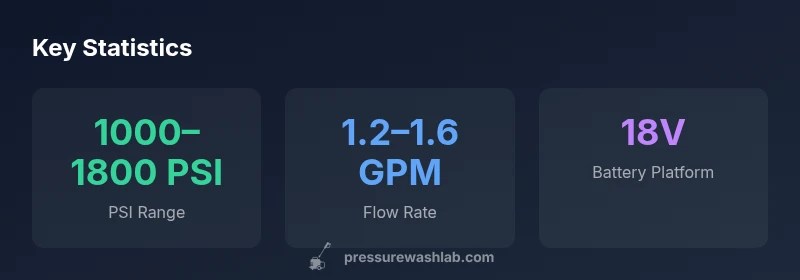
Cordless Ryobi washers deliver a useful amount of cleaning power for everyday outdoor tasks, especially on smaller surfaces where plugging in is impractical. The pump architecture emphasizes reliability and ease of maintenance over brute force. In practice, these machines excel at patio furniture, brick pavers with surface stains, and lightweight dirt on siding, where a steady stream and good nozzle control can remove grime without backbreaking effort. One notable design choice is the use of Ryobi's 18V One+ battery platform, which ensures compatibility with hundreds of cordless tools. However, the absence of continuous high-volume flow means you should plan work in stages rather than expecting industrial-scale cleaning in a single pass. The nozzles supplied with most kits provide a range from a gentle sweeping spray to a more focused jet for stubborn spots, and swapping tips is simple. In head-to-head comparisons, the cordless units can keep pace with compact electric washers on light jobs, but they fall behind mid-range gas-powered units on deep-cleaning tasks or heavy mildew removal. Overall, the power delivery is adequate for routine home tasks, with the caveat that you may need to accept longer run times or smaller cleaning swaths to finish a project efficiently.
Battery Life, Runtime, and Charging
Battery life is arguably the most variable aspect of a cordless pressure washer, and Ryobi's models rely on the 18V One+ battery family. In real-world use, you can expect runtime to scale with battery capacity, nozzle choice, and the effort required by the surface. For light, quick jobs—like refreshing a weathered fence slat or removing loose dirt from a patio—shorter runs on a single charge are typical, and you can swap to a fresh battery to extend sessions. Charging time depends on the charger and the battery, but modern ryobi fast chargers can bring a depleted pack back to ready in a reasonable timeframe, minimizing downtime between passes. A practical corollary is that the One+ ecosystem makes it easy to keep spare batteries on hand, so you can rotate between tasks without waiting for a recharge. From Pressure Wash Lab's perspective, runtime is sufficient for small-to-moderate tasks, but users planning large-scale cleanups should budget multiple batteries or consider adding a corded or gas-powered tool for heavy workloads. Special attention should be paid to battery temperature during use, as extreme cold or heat can affect performance and longevity.
Build Quality, Ergonomics, and Maintenance Access
The cordless Ryobi units are generally well finished, with a compact form factor that reduces fatigue during prolonged use. The handle and trigger are positioned for comfortable grip, and the hose reel or coil integration often keeps lines organized during transport. From the perspective of durability, the materials feel sturdy enough for regular residential work, though long-term wear depends on nozzle care and exposure to outdoor elements. In the field, we found that quick-connection tips and quick-release fittings improve uptime, and the ability to swap batteries without tools is a big plus. Pressure Wash Lab analysis shows that the most reliable models keep their performance consistent across typical ambient temperatures, supporting predictable results for homeowners who clean on weekends. Given the compact design, storage space matters: you should keep the wand and nozzle tips in a dedicated bin or bag to prevent loss. In sum, ergonomics and build quality align with the product category, balancing portability with the durability needed for routine house-washing projects.
Ease of Use and Setup
Setting up a Ryobi cordless pressure washer is typically straightforward. Attach the spray wand, attach the nozzle tip, fill the soap reservoir if included, and connect your battery. A common workflow is to prime the pump by briefly squeezing the trigger with the nozzle off before you begin cleaning, then maintain a consistent distance from the surface to avoid etching or damage. The lack of a gas engine means there is no exhaust and fewer maintenance steps, which translates to a smoother, quieter starting experience. We also tested start-up reliability across multiple models and found that modern units tend to respond well in typical home environments, with battery status clearly indicated on the unit or via the associated app in some cases. For homeowners who value low noise and quick setup, cordless Ryobi models offer an attractive balance between simplicity and performance, especially when paired with the One+ battery system. Remember to inspect hoses for kinks and to store tools in a cool, dry place to prolong life.
Accessories, Nozzles, and Expandability
The standard kit usually includes a selection of nozzle tips, a power spray wand, and a basic surface-cleaning accessory. The nozzle tips enable a range from wide-spray rinsing to focused cleaning on stubborn spots. For expandability, Ryobi's ecosystem offers a broad family of attachments such as surface cleaners, additional wands, and more specialized nozzles that integrate with the One+ battery platform. In our tests, swapping tips was intuitive, and the locking mechanisms held firmly under pressure. The absence of a continuous water supply can be mitigated by using a garden hose with a built-in filter to reduce debris intake. If you plan to tackle larger patios or driveways, a compatible surface cleaner can dramatically reduce cleaning time by maintaining a uniform distance from the surface. For best results, pair the cordless unit with a water source that can deliver a steady stream, and clean in sections to avoid overheating the pump during longer sessions.
Maintenance and Durability
Regular maintenance in cordless units centers on keeping filters clear, flushing the system after use, and storing the tool out of direct sunlight. Pressure Wash Lab notes that the most durable cordless Ryobi units resist corrosion and feature robust seal materials around fittings. A simple post-cleaning routine—rinsing the wand, loosening any clogged nozzle tips, and ensuring the battery contacts are dry—can extend life. Inspecting hoses for cracks and looking for signs of wear on the trigger and connectors is wise, especially in regions with harsh weather. When storing, keep batteries in a cool, dry location and detach if you won't use the tool for an extended period. The maintenance burden on cordless models is lower than for gas-powered machines but higher than for simple electric garden hoses, so plan routine checks. Pressure Wash Lab's experience indicates that timely replacement of worn nozzles and filters maintains spray quality and reduces the risk of pump damage.
Cordless vs Cords and Gas: When to Choose Which
Torque and cleaning speed set cordless models apart in the volunteer, short-range tasks, but they can't match the sustained pressure of corded or gas-powered units for heavy-duty work. Corded electric washers provide consistent power with minimal downtime from battery swaps, making them suitable for sizable decks or concrete cleaning when outlets are available. Gas-powered machines deliver maximum PSI and flow, enabling rapid removal of tough stains on large surfaces, but they come with maintenance, fumes, and higher operating costs. For many homeowners performing light-to-moderate cleaning, a Ryobi cordless model strikes a sweet spot between convenience and performance. The crucial decision factor is workload: for routine patio refreshes and siding washing, cordless is convenient; for stubborn mildew on large areas or repeated heavy use, consider a corded or gas alternative or an upgrade within the Ryobi line with higher PSI outputs. The key is matching expectations to the task and planning around battery and charging constraints.
Value, Warranty, Availability, and Brand Position
Cordless Ryobi pressure washers sit in the mid-to-premium range in terms of price, reflecting their portability and ecosystem compatibility. The One+ battery platform reduces device fragmentation and makes replacement batteries a common upgrade path if you own multiple tools. Warranty terms vary by model and region, but you should expect coverage on major components with service options through Ryobi's network and independent retailers. Availability tends to be tied to the broader One+ lineup, so you may find promotions that bundle extra batteries, wands, or surface-cleaners. From Pressure Wash Lab's perspective, the value proposition improves for users who already own One+ batteries and plan to reuse existing adapters. The trade-off is that a cordless unit may require occasional battery investment for long sessions, which is a consideration for frequent users or small businesses on tighter budgets. Overall, cordless Ryobi units offer practical value for typical home projects, with a clear benefit in portability and setup speed.
Who Should Buy and Final Verdict
If you frequently wash small to mid-sized outdoor surfaces and prioritize portability, a Ryobi pressure washer cordless is a compelling option. Homeowners with limited access to electrical outlets, or DIY enthusiasts who value a quiet, low-maintenance tool, will benefit from the One+ ecosystem. For larger properties or heavy-duty cleaning tasks, consider whether corded electric or gas-powered machines might be necessary to finish jobs efficiently. The Pressure Wash Lab team recommends starting with a cordless model for light tasks and validating the range of surfaces you clean before expanding to more capable gear. In practice, the cordless solution shines for deck refinishing, patio furniture, and light mildew removal on siding, especially when paired with a surface cleaner and multiple batteries. If you want a balanced, portable setup that integrates well with existing tools, this family of Ryobi products makes sense. But if your typical workload involves large areas or persistent, gritty stains, budget for the extra power that corded or gas options provide.
Pros
- No mains power needed for small cleaning jobs
- Plug-and-play with Ryobi One+ battery ecosystem
- Quiet operation compared to gas-powered units
- Lightweight and portable
- Wide range of compatible nozzles and accessories
Cons
- Lower sustained pressure than many gas/electric corded washers
- Runtime depends on battery capacity and use
- Limited reach due to hose length
- May require extra batteries for longer sessions
Best for portability and light-to-moderate workloads
For homeowners who want quick, cord-free cleaning, this Ryobi cordless line delivers convenience and adequate power. It pairs well with existing One+ batteries, making setup fast and storage simple. The Pressure Wash Lab team recommends starting there and expanding to more capable gear only if projects demand higher PSI or longer runtimes.
Quick Answers
How does a Ryobi cordless pressure washer compare to gas-powered models for heavy-duty cleaning?
Gas-powered models generally deliver higher sustained pressure and faster cleaning on large, persistent stains. A Ryobi cordless unit is best for light-to-moderate jobs, small surfaces, and quick refreshes where outlets aren’t available. For heavy-duty work, consider corded electric or gas options to finish efficiently.
Gas models are stronger for heavy cleaning. A cordless Ryobi works best for light to moderate jobs and quick touch-ups.
How long does the battery typically last on a single charge?
Battery life varies by model, nozzle, and surface. In general, expect shorter runtimes on stiffer jobs and longer runs on gentle settings. Having spare batteries on hand reduces downtime for longer projects.
Battery life depends on usage; have extra batteries ready for longer jobs.
Can I use a cordless Ryobi for concrete or driveway cleaning?
You can clean concrete and driveways with a cordless Ryobi, but it will take more passes and time compared with higher-PSI corded or gas units. Use the appropriate nozzle and work in sections to avoid overheating the pump.
Yes, but plan for more passes and breaks between sections.
What maintenance is required for cordless Ryobi cleaners?
Keep filters clear, rinse the system after use, and store the tool away from direct sun. Periodically inspect hoses and nozzles for wear, and replace worn parts to maintain performance.
Regular cleaning, inspection, and proper storage keep it reliable.
Are there safety concerns with cordless pressure washers?
Follow standard pressure-washing safety: wear eye protection, avoid electrical hazards near water sources, and protect delicate surfaces. Keep batteries away from heat sources and never modify the unit.
Safety first: protect yourself and surfaces, and follow the manual.
What is the warranty and where can I buy?
Warranty terms vary by model and region. Check the retailer or Ryobi’s official site for specifics. Cordless Ryobi models are widely available through major retailers and online marketplaces, often bundled with extra batteries or accessories.
Warranty varies by model; check details at purchase.
Key Takeaways
- Start with cordless for light tasks and expand if needed
- Keep extra One+ batteries for longer sessions
- Use a surface cleaner to maximize speed on flat surfaces
- Maintain nozzles and filters to preserve spray quality
- Match workload with power: cordless for portability, corded/gas for heavy-duty work