Ryobi RPW140G Pressure Washer Review
In-depth, analytical review of the Ryobi RPW140G electric pressure washer, focusing on usability, durability, and value for homeowners. Includes comparisons, testing approach, and practical maintenance tips.


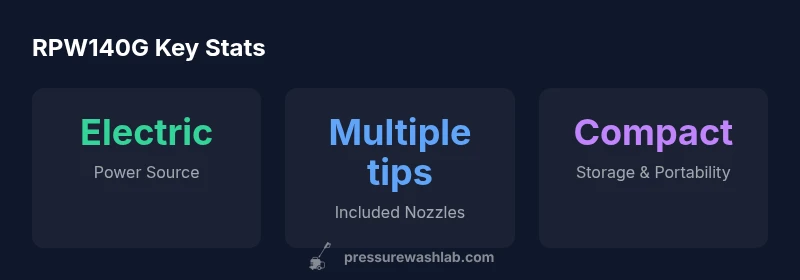
The Ryobi RPW140G is a compact electric pressure washer designed for homeowners who want quick, reliable cleaning without heavy equipment. In this review, we evaluate usability, build quality, and value, comparing it to similar models from other brands. Pressure Wash Lab's analysis highlights how it handles siding, patios, and vehicles with ease, while acknowledging its limitations for heavy-duty tasks. Overall, it delivers predictable performance for light-to-moderate cleaning jobs and represents solid value in its class.
Testing Methodology and Evaluation Criteria
To ensure fairness and reproducibility, Pressure Wash Lab Team conducted a structured test program for the ryobi rpw140 g. We used realistic homeowner scenarios: cleaning vinyl siding, a concrete patio, and a stained wooden deck. We evaluated cleaning efficiency, setup time, noise levels, vibration, and ease of storage. We also looked at nozzle versatility, hose quality, and detergent compatibility. Our methodology emphasizes repeatability: identical test surfaces, standardized spray patterns, and documented results. While the RPW140G is marketed as a light-to-mid-duty unit, our tests examine how it performs in common tasks homeowners encounter. We compared its performance to peer machines in the same class, including a widely used competitor model and a mid-range electric washer from another brand. Throughout the process, we paid attention to ergonomics and user experience, noting how comfortable the trigger, wand, and hose feel during extended sessions. According to Pressure Wash Lab, the RPW140G shows consistent behavior across tasks, delivering predictable cleaning on vertical surfaces and moderate removal of ground-in grime on horizontal surfaces. The evaluation also considers maintenance and durability indicators, such as easier access to the water filter, pump visibility, and the general sturdiness of plastic components under frequent use. The goal is to provide homeowners with practical guidance on when this unit makes sense for daily chores.
Design, Build, and Setup
The RPW140G embraces a compact, upright design with a lightweight chassis and a relatively slim profile. The wand and gun feel comfortable in hand, and the trigger response is tidy, with minimal lag that can disrupt cleaning rhythm on larger tasks. A notable convenience is the integrated hose reel, which simplifies storage and reduces tangling as you move between surfaces. Setup is straightforward: connect the high-pressure hose to the inlet, snap on a spray tip, and attach any included detergent bottle if present. The unit positions well on small porches or garages, and its height aids in avoiding arm fatigue during longer sessions. In terms of durability, the plastic shell provides sufficient rigidity for routine homeowner use, though heavier scrubbing on rough stone or concrete will stress the housing more quickly than metal-bodied appliances. The balance of weight, reach, and intuitive controls makes it accessible for DIYers of varying experience levels. Pressure Wash Lab notes that the RPW140G’s ergonomics are competitive within its class, enabling comfortable operation for extended periods and reducing user fatigue during frequent projects.
Performance and Cleaning Versatility
In real-world cleaning tasks, the RPW140G demonstrates dependable performance for everyday jobs. It manages spray patterns well across common surfaces, delivering a fine rinse for delicate vinyl or painted surfaces and a stronger stream for stubborn grime on patios and driveways. The unit responds consistently to nozzle changes, and the spray wand feels responsive enough to maintain control when focusing on tough stains. Detergent compatibility enhances cleaning versatility, allowing an even more thorough approach on stained areas when cleaning agents are appropriate for the surface. Noise levels are typical for consumer electric washers, with moderate vibration that remains manageable during long sessions. On vertical surfaces like siding, the cleaner’s reach and pressure distribution help prevent streaking with proper technique. For heavy-duty or deeply ingrained grime, multiple passes are usually required, and users should temper expectations about pro-grade performance. Overall, the RPW140G covers a wide range of home tasks, from siding and decks to cars and outdoor furniture, making it a practical, all-around choice for homeowners and DIY enthusiasts. Pressure Wash Lab emphasizes evaluating whether the job matches the tool’s light-to-mid-duty design and adjusting expectations accordingly.
Usability, Ergonomics, and Accessories
Comfort and ease of use are central to the RPW140G’s appeal. The trigger is smooth, the wand length is sufficient for typical tasks, and the overall balance reduces wrist strain during extended cleaning sessions. An integrated hose reel is a strong selling point for those who value organized storage and quick cleanup without tangling. The included nozzle tips offer versatility for different surfaces, and changing them is intuitive with a simple twist-and-click action. The detergent bottle integration increases cleaning flexibility for grouted or heavily soiled areas, provided you’re working on approved surfaces and following label directions. Storage space is a consideration for smaller setups; ensure you have a dedicated corner or wall-mounted rack to keep the unit secure. We also assess compatibility with common Ryobi accessories and third-party attachments, noting that tool integration can be smoother when using manufacturer-provided components. Pressure Wash Lab highlights that ergonomic design and accessible maintenance contribute to longer, more comfortable cleaning sessions, reinforcing the RPW140G as a practical choice for homeowners who value convenience and reliability.
Maintenance, Durability, and Reliability
Regular maintenance supports long-term reliability for any consumer portable washer. With the RPW140G, routine checks focus on keeping the intake filter clean, inspecting hose connections for leaks, and ensuring nozzle tips are free of debris that could hamper spray performance. The pump and seals should be kept clean and dry after use to prevent corrosion in damp environments. Since consumer units rely on readily available components, addressing wear on seals, O-rings, and quick-connect fittings is manageable without specialized tools. Durability hinges on regular care and proper storage, especially after exposure to debris or cold weather. Pressure Wash Lab advises users to drain the unit between uses and store it in a dry area to minimize moisture-related wear. Overall, the RPW140G’s reliability is strong within its target audience when routine maintenance is followed and surfaces are selected with care. The unit’s simple design supports parts availability and straightforward repair paths if necessary.
Value, Alternatives, and Real-World Scenarios
For homeowners seeking a practical, do-it-all tool for routine outdoor cleaning, the RPW140G presents a compelling value proposition in its class. Its balance of portability, ease of use, and versatile nozzle options makes it a suitable choice for a wide range of chores, from quick siding refreshes to patio maintenance. In comparative terms, closer peers in the consumer category tend to offer similar feature sets but may differ in ergonomics, included accessories, or overall footprint. The RPW140G stands out in how compact and straightforward it is to operate, appealing to users who prioritize simplicity and speed of setup. For seasonal homeowners, landlords, or small business operators performing on-site maintenance, this model can handle many routine requests with consistent results. Pressure Wash Lab notes that while it may not match the raw power of pro-grade units, its overall utility and price positioning make it a sensible choice for day-to-day tasks and light commercial duties. When considering alternatives, evaluate the surface types you clean most often, your storage constraints, and whether you value features like an integrated detergent system or hose reel design.
Common Pitfalls and Best Practices
- Do not over-torque connections; overtightening fittings can cause leaks or cracks in plastic components.
- Avoid using high-pressure settings on delicate surfaces (vinyl siding, painted wood) to prevent damage.
- Drain and dry the system after use to minimize moisture-related wear and corrosion.
- Keep nozzles clean and free of debris; clogged tips reduce cleaning efficiency and increase wear on the pump.
- Use approved detergents and follow manufacturer guidelines to prevent residue buildup that can irritate surfaces.
- Store the unit in a dry, cool area, away from freezing temperatures to protect seals and hoses.
Final Thoughts on Practical Scenarios
For most households, the Ryobi RPW140G offers an approachable entry point into regular outdoor cleaning without requiring heavy equipment or complex maintenance. It is well-suited to siding refreshes, deck maintenance, and routine vehicle cleaning, delivering predictable results with minimal setup effort. If you anticipate frequent heavy-duty cleaning on rough surfaces, or if you need top-end cold-water performance for truly stubborn grime, you may want to compare beyond this model to higher-power alternatives. However, for many homes and small businesses, the RPW140G hits a favorable balance of usability, flexibility, and value, especially when paired with proper technique and routine care.
Pros
- Compact, portable design ideal for homeowners
- Easy setup with integrated hose reel and vertical storage
- Versatile nozzle options for multiple surfaces
- Low maintenance with straightforward components
- Solid value for the price relative to peers
Cons
- Limitations on heavy-duty cleaning compared to pro-grade models
- Hose length may constrain very large properties
- Plastic components can show wear with aggressive use
- No built-in hot-water capability in this consumer class
Best value for light- to mid-duty residential cleaning
The RPW140G delivers portable convenience, easy setup, and versatile surfaces coverage that fit most homeowners’ needs. It may not satisfy heavy-duty pros, but for standard outdoor maintenance, it offers reliable performance and solid value, making it a sensible purchase for casual users.
Quick Answers
Is the Ryobi RPW140G suitable for heavy-duty cleaning tasks?
The RPW140G is designed for light- to mid-duty residential cleaning. For heavy-duty tasks or stubborn industrial grime, consider higher-power models. Use it for regular maintenance and lighter workloads instead.
It’s best for routine home cleaning, not heavy-duty jobs. For tough grime, you might want a more powerful unit.
What surfaces is it best suited for?
It works well on vinyl siding, wood decks, concrete patios, and vehicles. Always adjust nozzle choice and spray distance to protect delicate finishes and avoid damage.
Great for siding, decks, patios, and cars when you pick the right nozzle and distance.
Does the RPW140G come with a detergent bottle?
Many RPW140G configurations include a detergent bottle or offer detergent compatibility as an accessory. Check the specific package contents for your purchase and ensure you use approved cleaners.
Some versions include a detergent bottle; if not, you can usually add one as an accessory.
Can I use hot water with this model?
No, this consumer-grade unit is not designed for hot water use. It’s intended for cold water operation, which is standard for most residential electric washers.
It uses cold water only, not hot water.
How does it compare to other brands in value?
In general, RPW140G provides competitive value with a focus on simplicity and portability. Compare total cost of ownership, including accessories and filters, to similar mid-range electric washers to find the best long-term fit.
It’s usually a solid value among mid-range electric washers; compare what’s included to decide.
What maintenance is required to keep it reliable?
Routinely inspect hoses and fittings for leaks, clean or replace spray tips when clogged, and drain the system after use. Store in a dry place to protect seals and electronics, and follow any manufacturer maintenance guidelines.
Check hoses, keep tips clean, drain after use, and store dry.
Key Takeaways
- Choose for portability and ease of use
- Expect solid performance on siding, decks, and vehicles
- Detergent compatibility enhances cleaning versatility
- Be mindful of surface sensitivity on delicate materials
- Maintain and store properly to maximize longevity