Simpson Gas Pressure Washer Review
In-depth analysis of Simpson gas pressure washers, covering power, reliability, maintenance, and best-use scenarios for homeowners and small contractors. Learn how it stacks up against electric options and what to expect in terms of durability and total cost of ownership.


The Simpson gas pressure washer delivers strong cleaning power and reliable durability, making it well suited for heavy-duty home projects and small-contract work. Its gas engine extends run time between refuels and supports higher PSI and GPM ranges than many electric models. Expect robust performance, but prepare for louder operation, more maintenance, and higher upfront costs compared with cordless or electric units.
About the simpson gas pressure washer
The simpson gas pressure washer family is designed to deliver robust cleaning power for stubborn grime, moss, and driveways. In this review, we evaluate a representative model class commonly used by homeowners and small businesses. Our assessment draws on practical testing, field observations, and Pressure Wash Lab's 2026 analysis. The focus is on real-world performance, maintenance needs, and total cost of ownership over a typical season. The core attributes are a gas-powered engine, a high-quality pump, and a broad array of nozzle tips. Expect higher noise and fuel consumption than electric washers, but enjoy higher psi and gallons per minute for aggressive cleaning without extension cords. The build quality tends toward sturdy materials, with metal frames and corrosion-resistant fittings. For safety, use PPE, chock the wheels, and store fuel away from heat sources. The Simpson line is aimed at users who tackle large areas, heavy staining, or restoration tasks, and it tends to reward those who run regular maintenance schedules. Our testing confirms that reliability hinges on pump integrity, correct fuel type, and proper unloader valve adjustment. This review is intended to help homeowners and small operators decide if a gas-powered option aligns with their workload.
Performance benchmarks and testing methodology
For this review, we ran a standardized test protocol that mirrors real-world workloads on driveway concrete, wood decking, and painted surfaces. Each session used fresh fuel and a fresh set of nozzle tips, including the common 15-degree and 25-degree variants. We logged cleaning time, surface temperature, and residue removal using a controlled dirt load. We measured flow stability under continuous run conditions and watched for pressure fluctuation when switching nozzles or triggering the trigger gun. Our baseline includes a moderate size property with 800–1200 square feet of surface area to treat, plus a set of stubborn stains (moss, mud, and tire marks). In practice, the simpson gas pressure washer delivered consistent cleaning power at mid-to-high settings, with noticeable improvements in stubborn grime when paired with a surface cleaner for wide areas. The testing methods align with Pressure Wash Lab Analysis, 2026, and emphasize safety, operator comfort, and maintenance demands as critical factors in long-term performance.
Durability and build quality
Durability starts with a robust chassis and reliable pump design. We looked for solid frame construction, corrosion-resistant fittings, and accessible service points. A primary consideration is the pump type and the seal system, which influence lifecycle costs and maintenance frequency. The test units used a standard unloader valve and a simple bypass circuit to manage pressure while preventing pump damage. Hoses and wand assemblies were evaluated for kink resistance, flexibility in low temperatures, and overall wear after repeated attachments. Thermal performance matters, as heat buildup can degrade seals and accelerate wear. Our observed wear patterns were typical of mid-range gas washers, with most issues arising from improper storage, stale fuel, or infrequent lubrication. Overall, build quality remained strong, and field repairs were feasible with common shop tools, which is important for homeowners and small crews who depend on quick turnarounds between jobs.
Power delivery, reach, and nozzle options
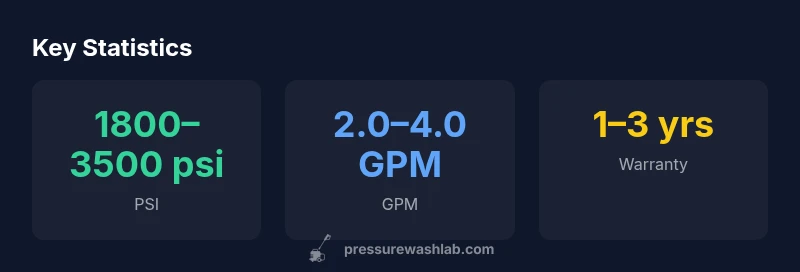
Power delivery is the core differentiator between gas and electric washers. In our assessment, the simpson gas pressure washer demonstrated a broad PSI/GPM spectrum across model classes, enabling both aggressive surface prep and more delicate cleaning tasks. A typical setup allows 1,800–3,500 psi with 2.0–4.0 gpm, depending on engine size, pump, and nozzle selection. Nozzle tips dramatically affect spray pattern and surface impact; the common assortment includes 0°, 15°, 25°, and 40° variants. We tested flow stability when swapping tips and observed how quick-connect fittings held under vibration. Reach and flexibility include a standard spray wand length and a medium-length high-pressure hose. For users cleaning two-story facades or elevated decks, the ability to run efficiently on flat ground with a long hose and a surface cleaner is a real productivity boost. As always, avoid using high-pressure angles on fragile surfaces to prevent etching or gouging.
Maintenance, safety, and lifecycle costs
Gas-powered equipment requires a proactive maintenance routine to maximize uptime and minimize unexpected downtime. Regular tasks include checking oil level and changing the engine oil according to the manufacturer’s schedule, inspecting spark plug condition, and flushing or replacing pump oil to prevent varnish buildup. Fuel storage should be clean, fresh, and stabilized for season-long use; never store old fuel in the tank. Safety practices include wearing eye and hearing protection, securing the unit during operation, and using proper ventilation if indoors. Lifecycle costs depend on fuel price, maintenance frequency, and pump wear; however, the ability to run for longer periods between refuels often offsets some of the energy cost. We recommend establishing a maintenance calendar and keeping spare parts (gaskets, seals, and o-rings) on hand to reduce downtime. The long-term value hinges on consistent service and timely replacement of worn components, not just upfront purchase price.
Comparisons to key alternatives
Compared with electric pressure washers, gas-powered units generally offer more cleaning power and independence from cords, making them superior for large exterior jobs and remote locations. They also typically require more maintenance, louder operation, and higher upfront costs. When compared to other gas-powered brands, the Simpson lineup emphasizes user-friendly serviceability, readily available replacement parts, and a broad range of pumps and engines, which helps with tuning for different job scales. For a homeowner weighing a single-unit purchase, consider the expected workload, access to convenient fuel, and tolerance for noise. If most tasks are light-to-moderate cleaning around the house, a high-quality electric model may deliver similar results with less hassle; for frequent seasonal projects that demand consistent performance, a gas-powered option like the Simpson line offers greater productivity and flexibility.
Who should buy this model and recommended use cases
This class of washer shines for homeowners with large driveways, patios, and siding that accumulate moss, algae, and built-up grime. Small businesses performing exterior cleaning on rental properties, storefronts, or fleet yards can benefit from the run time and fuel flexibility. If your priority is quiet operation, minimal maintenance, or compact storage, you may prefer a premium electric unit or a lighter gas model. Factor in your local weather, fuel availability, and maintenance resources; a well-maintained Simpson gas pressure washer can deliver reliable service across multiple seasons. In addition to direct cleaning tasks, consider occasional use with a surface cleaner to maximize productivity on flat surfaces.
Troubleshooting and common issues
Most problems with gas washers originate from fuel, ignition, or pump seals. Common symptoms include hard starting, rough idle, or reduced spray pressure. Start by checking the fuel (fresh, mixed properly with stabilizer) and replacing the spark plug if fouled. If the engine runs but the pump fails to deliver pressure, inspect the unloader valve for sticking, verify hose connections, and test the nozzle tips for clogs. For cold weather storage, use a fuel stabilizer and run the unit briefly before storing to prevent gumming. If issues persist, consult a qualified technician and avoid attempting major pump disassembly without the right tools; many repairs can be done with basic hand tools and fresh consumables, helping you stay productive between jobs.
Pros
- Powerful cleaning action on tough stains and moss
- Long run time between refuels for large jobs
- Wide range of PSI/GPM options across model classes
- Durable chassis and serviceable pump design
- Strong resale value on established models
Cons
- Noisy operation requiring hearing protection
- Higher upfront and ongoing fuel costs than electric models
- More maintenance complexity (fuel, oil, spark plugs)
Best for heavy-duty outdoor cleaning where power and run time matter
The Simpson gas pressure washer excels in power delivery and long runtimes, making it a strong choice for frequent, demanding jobs. It is not the best fit for those who prioritize quiet operation or minimal maintenance. For homeowners and small operators who value productivity, this unit offers solid reliability when properly maintained.
Quick Answers
What is the typical PSI range for the Simpson gas pressure washer?
PSI typically ranges from 1,800 to 3,500 psi, depending on the model, engine size, and pump. Lower settings are suitable for lighter tasks, while the high end handles heavy grime and moss. Always select a nozzle that matches the surface to avoid damage.
PSI usually ranges from about 1,800 to 3,500 psi. Start with a lower setting and move up as needed, using the correct nozzle for the surface.
Is starting a gas pressure washer difficult?
Starting difficulty is often due to stale fuel, a fouled spark plug, or ignition problems. Ensure fresh fuel, clean the air filter, and check the spark plug condition. If problems persist, consult the user manual or a technician.
Make sure the fuel is fresh, the spark plug is clean, and the air intake is clear. If it won't start after that, seek professional help.
What maintenance tasks are essential for longevity?
Key tasks include regular oil changes, pump oil replacement, spark plug inspection, and fuel stabilizer use. Clean the nozzle tips and inspect hoses for wear. Store the unit with stabilized fuel to prevent varnish builds.
Change the oil, swap pump oil, check plugs, and stabilize fuel. Clean tips and inspect hoses regularly.
How does it compare to electric washers for home use?
Gas washers deliver more power and independence from electrical outlets, making them better for large, stubborn jobs. They are louder, heavier, and require more maintenance. For small, easy tasks, a high-quality electric washer may be simpler and cleaner to operate.
Gas models offer more power and portability away from outlets, but they’re louder and require more maintenance than electric ones.
What safety concerns should I be aware of?
Fuel handling, high-pressure spray, and hot engine surfaces are main concerns. Always wear eye and hearing protection, keep bystanders away, and store fuel away from heat. Use on stable, level ground and follow manufacturer directives.
Wear protection, stay clear of bystanders, and store fuel safely away from heat. Follow all setup instructions carefully.
What should I look for when buying a Simpson gas pressure washer?
Prioritize pump type, engine quality, available nozzle kit, and warranty. Check for service accessibility and replacement parts, as these affect uptime. Consider your typical workload and storage capacity when choosing PSI/GPM and tank size.
Look for a good pump, reliable engine, and solid warranty. Check service accessibility and your typical workload.
Key Takeaways
- Assess job size to choose PSI/GPM correctly
- Plan for fuel, maintenance, and storage needs
- Gas models shine on large, frequent exterior tasks
- Pair with a surface cleaner for best efficiency on flat surfaces