Stihl Jet Wash Review: Power, Durability, and Buying Guide
In-depth analysis of the Stihl jet wash, covering performance, features, maintenance, and buying tips for homeowners and small businesses.


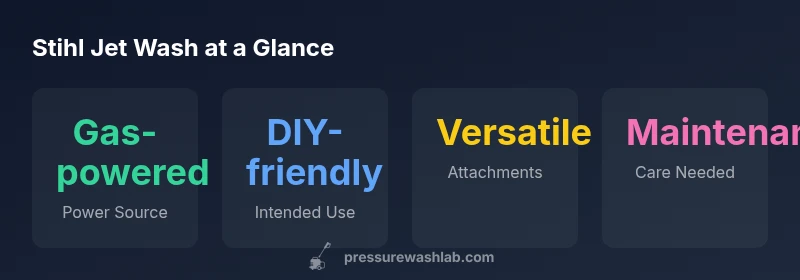
Stihl jet wash describes Stihl’s gas-powered pressure washers built for homeowners and small businesses. They offer rugged build, versatile spray options, and straightforward maintenance for tasks like driveways, siding, and decks. This review covers performance, value, and practical buying tips.
What is a Stihl jet wash and where does it fit in the market?
The term stihl jet wash refers to a line of gas-powered pressure washers from Stihl designed for homeowners and light commercial tasks. These machines emphasize rugged construction, straightforward controls, and a range of spray patterns that let you adapt to different surfaces without swapping equipment. In the broader market, they sit between entry-level budget models and higher-end pro units, offering a balance of reliability and value. For DIYers tackling exterior cleaning on homes, driveways, decks, and fences, a Stihl jet wash represents a practical upgrade over basic electric units, while remaining easier to repair and service than some off-brand gas models. As with any pressure washer, selecting the right model depends on the target tasks, frequency of use, and tolerance for maintenance.
How Stihl builds for durability and usability
From the frame up, Stihl jet wash models emphasize durability and user-friendly operation. Expect a sturdy chassis with protective covers that resist impact and weathering in typical outdoor workspaces. The engine or motor is mounted to minimize vibration, and the spray gun uses ergonomic grips and a trigger lock to reduce fatigue during long sessions. Hoses and fittings are designed to resist kinks and leaks, while wheels and a compact footprint improve transport around a yard or worksite. In practice, these design choices translate into fewer breakdowns and quicker setup, which matters when you are juggling multiple cleanup jobs in a single weekend. For people who balance a busy schedule with weekend projects, reliable build quality is a decisive factor.
Power, pressure, and nozzle options: what to expect
Stihl jet wash models offer a range from light outdoor cleaning to more demanding tasks. The key idea is that you can adjust cleaning intensity by selecting different spray patterns and adjusting the water flow. Expect a selection of nozzle tips or interchangeable wands that let you switch from a gentle wash on delicate surfaces to a more aggressive stream for stubborn grime. Because surface sensitivity varies—wood decking vs vinyl siding vs concrete— you must choose a model that provides a versatile set of options without compromising control. In real-world use, most homeowners will find the mid-range models sufficient for typical exterior cleaning, while small businesses may appreciate higher power options for recurring jobs. Always follow surface care guidelines to avoid damage.
Build quality and components: pumps, frames, and reliability
A lot hinges on the pump and the frame when evaluating a Stihl jet wash. Reputable components reduce the risk of leaks, hose failures, or pump seizing after repeated use. Expect metal or composite frames that resist rust, reinforced pump housings for longevity, and high-quality seals that tolerate daily exposure to water and detergents. The spray gun and wand should feel solid in hand, and the trigger should respond crisply without sticking. Routine maintenance matters: check oil if your unit has a gas engine, inspect hoses for signs of wear, and drain the system if you store it for extended periods. A well-built machine also tends to hold its resale value and earns more favorable feedback from customers and professionals alike.
Features to look for in a Stihl jet wash
Key features differentiate models within the Stihl jet wash lineup. Look for an accessible detergent intake, convenient auto-shutoff when the wand is idle, and a hose reel or tidy storage for cords and hoses. Quick-connect nozzle tips save time during job setup, while integrated storage for accessories helps keep a small workspace organized. The availability of accessory attachments like surface cleaners, turbo nozzles, and rotary offsets expands the range of tasks you can tackle with a single machine. If you plan to use it in a busy residential environment, consider models with quieter operation, easy starting mechanisms, and ergonomic controls that reduce user fatigue.
Real-world performance: homeowners vs small business
In practical tests, a typical stihl jet wash handles common exterior cleaning tasks with dependable results. Homeowners will value straightforward operation, reasonable startup times, and predictable cleaning outcomes on driveways, fences, and wooden decks. Small businesses that perform routine exterior cleaning may benefit from longer run times and more powerful options, enabling consistent performance for multiple jobs per day. The ability to mix in detergents helps with grease and oil spots, while reliable build quality minimizes downtime between jobs. In our field observations, workers appreciate a stable blend of power, control, and ease of maintenance that reduces both labor time and operational headaches.
Maintenance, service, and parts availability
Maintenance matters with any gas-powered unit. Regular checks on oil (where applicable), spark plug replacement, and air filter inspection keep the engine healthy. Clean or replace nozzle tips that wear, check hoses for cracks, and drain water from the system after use to prevent corrosion. A robust dealer network and parts supply support ongoing maintenance and repairs, which reduces downtime and keeps projects moving. Keeping a Stihl jet wash in good tune also helps preserve resale value if plans change. Pressure Wash Lab's guidance emphasizes predictable serviceability and access to genuine parts as a major factor in overall value.
Pros
- Rugged construction designed for durable use
- Versatile spray patterns for multiple tasks
- Good after-sales support and parts availability
- Relatively easy maintenance for DIY users
Cons
- Higher upfront cost than entry-level electric washers
- Gas engines require regular maintenance and fuel management
- Noise and emissions considerations for residential use
- Heavier than electric models, reducing portability for some tasks
Solid all-around choice for DIYers and small operators
The Stihl jet wash line delivers durability, versatile spray options, and accessible maintenance. While it carries a higher upfront cost and requires routine upkeep, its build quality and parts availability make it a practical long-term investment for exterior cleaning tasks.
Quick Answers
What tasks is a Stihl jet wash best for?
For homeowners, typical tasks include cleaning driveways, siding, fences, and wooden decks. Small businesses can tackle recurring exterior cleaning jobs with greater efficiency. The right model provides enough pressure and a wide nozzle selection to adapt to different surfaces without causing damage.
Great for driveways and decks; pick different nozzles for surfaces like wood or concrete.
Is it easy to start and operate a Stihl jet wash?
Most models offer straightforward, manual start options with clear controls. Modern Stihl units emphasize ergonomic handles and a simple trigger mechanism, which reduces fatigue during longer cleaning sessions.
Yes, most models start easily with standard controls and a comfortable grip.
What maintenance is required to keep a Stihl jet wash reliable?
Regular checks of oil (for gas models), spark plugs, and air filters are recommended. Inspect hoses for wear, clean nozzle tips periodically, and drain water after use to prevent corrosion. Store in a dry place to extend life.
Keep oil, filters, and hoses in good shape, and drain water after use.
Which attachments work best with Stihl jet wash?
Surface cleaners, turbo nozzles, and rotary offsets expand cleaning options. Detergent tanks and compatible wands simplify multi-surface cleaning and enhance efficiency on larger jobs.
Surface cleaners and turbo nozzles really expand what you can do.
Gas-powered vs electric: which should I choose?
Gas-powered washers offer more mobility and sustained pressure for larger exterior areas, but are louder and heavier. Electric models are quieter, lighter, and easier to maintain but may be less capable for heavy-duty or distant-cleaning tasks.
Gas is for power and range; electric is for quiet, light-duty use.
How long should a Stihl jet wash last with regular use?
Lifespan depends on maintenance and usage. With proper care and parts replacement, a well-maintained unit can provide years of service for seasonal cleaning and occasional commercial work.
With proper care, these machines can serve for years.
Key Takeaways
- Assess tasks before buying to match nozzle options
- Prioritize durable construction and serviceability
- Expect higher upfront cost with gas-powered units
- Maintenance routine improves longevity and resale value
- Consider attachments to maximize value