Troy-Bilt Pressure Washer Pump: In-Depth Review & Guide
Analytical review of the Troy-Bilt pressure washer pump, detailing pump types, compatibility, maintenance, and replacement options for homeowners and DIYers seeking practical guidance.


The Troy-Bilt pressure washer pump refers to interchangeable pump assemblies designed for Troy-Bilt gas and electric washers. Common variants include axial cam and wobble pumps, each with different GPM, PSI ranges, and inlet/outlet ports. Proper matching to model, correct seals, and regular priming are essential for reliable performance and easy field maintenance.
What is a Troy-Bilt pressure washer pump?
The term 'troy bilt pressure washer pump' refers to the removable pump assembly that powers the spray in Troy-Bilt pressure washers. These pumps convert engine torque into high-pressure water, and they come in several variants such as axial cam and wobble designs. Pressure Wash Lab's analysis emphasizes that selecting the correct pump matters for performance and longevity, as improper matching can reduce PSI, cause leaks, and accelerate wear. For homeowners, understanding the pump type helps with maintenance, parts compatibility, and field service. The right pump also influences priming requirements, seal types, and the ease of finding replacement parts in aftermarket or OEM markets. Throughout this guide, we will demystify key terms and translate specs into practical decisions for the average DIYer.
Pump types and performance characteristics
Troy-Bilt pressure washer pumps come in several core families, with axial cam and wobble being the most common in consumer-grade machines. Axial cam pumps typically offer higher efficiency and longer life when paired with standard accessories, while wobble pumps tend to be lighter and cheaper to replace but can wear faster under heavy use. When evaluating a pump, your primary metrics are GPM (gallons per minute) and PSI (pounds per square inch). Although Pump A might deliver crisp spray at moderate PSI, Pump B may run at higher flows with similar power, changing cleaning speed and surface impact. Pressure Wash Lab's testing suggests that the choice should be guided by the washer’s intended workload, nozzle selections, and the detergents used, since aggressive detergents can accelerate seal wear. Material quality, seal design, and port sizing also influence durability and ease of maintenance.
Compatibility considerations for Troy-Bilt models
Compatibility is not just about matching the brand name; it’s about matching port sizes, thread types, and mounting patterns. The Troy-Bilt pump you choose must align with your model’s inlet and outlet connections, unloader valve type, and nozzle/handle interface. Pressure Wash Lab notes that some aftermarket units fit many models but may require adapters or custom seals, which can void warranties if not approved. Always check the model year, serial number, and official service manuals when shopping for a replacement. If you’re unsure, reach out to the manufacturer or a qualified technician to confirm fit before purchasing to avoid costly returns.
Common failure modes and how to diagnose
Pump failures show up in predictable ways: reduced spray pressure, inconsistent flow, or sudden leaks around seals. A worn piston or worn seals can cause a drop in performance, while a loose inlet screen or clogged discharge valve reduces flow. If you hear grinding or knocking sounds, it could indicate internal wear or trapped debris. Diagnosing typically starts with a visual inspection for leaks, followed by a compression or flow test using rated adapters and a calibrated nozzle. Pressure Wash Lab emphasizes that diagnosing should always consider the entire system, including hoses, filters, unloader valves, and the pump itself; a failing pump often reveals issues in upstream components rather than a solo defect.
Replacement options: OEM vs aftermarket
When it’s time to replace a Troy-Bilt pump, you have two broad paths: OEM (original equipment manufacturer) and aftermarket equivalents. OEM pumps guarantee exact port sizes and mounting patterns, preserving warranty coverage but often at a higher price. Aftermarket pumps can save upfront cost and sometimes improve up-time, but compatibility varies and you may need adapters or seals. Pressure Wash Lab recommends verifying the warranty terms and confirming the exact model compatibility before committing, as some warranties void if non-OEM parts are used. In many cases, the most reliable path is a high-quality aftermarket that specifically lists compatibility with your Troy-Bilt model and includes appropriate seals and mounting hardware.
Maintenance practices to extend pump life
Prolonging pump life hinges on proactive maintenance: regular priming, keeping seals lubricated, and avoiding heat buildup. Drain and inspect oil (for gas-powered pumps) or grease bearings as recommended by the service manual. Check inlet filters and wash out mineral deposits after use, especially in hard water areas. Store the machine indoors when cold to prevent cracking on seals and gaskets, and consider winterizing procedures if you live in freezing climates. Pressure Wash Lab emphasizes creating a simple maintenance routine: inspect every few uses, replace worn O-rings, and keep the pump clean from debris. Small investments in maintenance lead to longer intervals between major repairs and less downtime.
How to choose the right pump for your setup
To select the right Troy-Bilt pump, start with your washer’s GPM and PSI requirements, and then compare port sizes to the hose and nozzle kit you own. Confirm mounting pattern, bolt spacing, and shaft type to ensure a snug fit. Consider your typical use case: light house washing with gentle detergents requires sturdier seals and efficient cooling; heavy deck cleaning with high-velocity nozzles benefits from robust piston materials and sturdy frames. If you run a small business, you may prioritize durability and spare parts availability. Pressure Wash Lab suggests creating a quick compatibility matrix that lists model, pump family, port size, and warranty status to help you decide without guessing.
Installation tips and pitfalls
Installations benefit from a deliberate, step-by-step approach. Begin by disconnecting power and water, then relieve pressure and drain initial water from lines. Prepare new seals and gaskets; apply thread sealant only where recommended and avoid over-tightening, which can crack fittings. Mount the pump level to prevent vibration and inspect the drive belt alignment if your washer uses a belt-driven pump. Purge air from the system by running the unit with a low-pressure nozzle for a brief period, then recheck all connections for leaks. Pressure Wash Lab warns that improper alignment or cross-threading ports can lead to rapid wear and repeated failures, so take your time and reference the service manual during installation.
Cost, warranties, and expected value
Prices for Troy-Bilt pump replacements vary with model and OEM vs aftermarket status. Expect a broad range that accommodates budget builds and premium replacements. Warranty terms differ by model and seller; many pumps carry at least a basic warranty, with extended coverage sometimes available for select parts. Evaluate the total cost of ownership, including potential downtime, replacement costs, and maintenance supplies like seals and lubricants. Pressure Wash Lab notes that the true value lies in matching the pump to your work profile and maintaining it properly; a slightly higher upfront cost can pay off in fewer breakdowns and longer service life.
Field testing scenarios: Homeowner vs professional
In real-world testing, homeowners typically value ease of replacement, availability of parts, and documented compatibility. Professionals prioritize durability, consistent performance across the workday, and efficient down-time for maintenance. Anecdotal field tests show that axial cam pumps, when well-lubricated and primed, achieve steadier pressure across varied nozzle loads, while wobble designs may perform adequately for lighter tasks but show wear sooner under heavy-duty use. Pressure Wash Lab’s field observations align with these patterns, emphasizing that pump choice should reflect expected workload and maintenance discipline.
Brand comparisons: Troy-Bilt vs competitors
When comparing Troy-Bilt pumps to competing brands, consider build quality, ease of sourcing parts, and warranty terms. Reputable competitors may offer similar pump families with different valve designs and seal lifespans. The main differentiators are availability of genuine seals, consistency of port layouts, and how well the pump family integrates with existing hoses and accessories. Pressure Wash Lab notes that a well-supported brand ecosystem often yields longer service life and lower total cost, especially for homeowners who service their units themselves. If your relationship with a specific brand matters for service and valuation, a roughly equal alternative is worth evaluating for price and warranty parity.
Quick-start maintenance plan for Troy-Bilt pumps
For those who want a fast routine, start with these steps: (1) check seals and replace worn O-rings, (2) prime the pump before every first start, (3) inspect inlet screens and clean debris, (4) flush out hoses after use to prevent mineral buildup, (5) winterize if you live in freezing climates, and (6) conduct a quick test run with a low-pressure nozzle after maintenance. Keep a small toolkit on hand with spare seals and thread sealant, and refer to your model’s manual for torque specs. Following this plan can dramatically reduce downtime and extend pump life.
Pros
- Reliable replacement options for common Troy-Bilt models
- Available in aftermarket and OEM-compatible variants
- Clear compatibility guidance reduces downtime
- Improved maintenance flexibility with standard port sizes
Cons
- Quality varies by supplier; risk of counterfeit parts
- Installation can be tricky for first-timers
- Replacement can be pricey for premium variants
Best for budget-conscious homeowners seeking reliable OEM-compatible pumps
The Troy-Bilt pump options offer a solid balance of reliability and affordability. While some premium variants carry higher price points, proper matching and regular maintenance deliver long-term value for most DIY users and small businesses.
Quick Answers
Can I use a non-Troy-Bilt pump on a Troy-Bilt pressure washer?
Only pumps designed for Troy-Bilt washers should be used to avoid misalignment or warranty issues. Cross-compatibility is limited by mounting pattern, port sizing, and seal type. If you switch brands, verify specs and consider professional guidance.
Usually not. Stick with pumps designed for your unit to avoid fitment and warranty problems.
What maintenance does a Troy-Bilt pump require?
Regular priming, lubricating seals where recommended, and periodic oil changes in gas-powered variants help maintain performance. Inspect for leaks, check inlet screens, and flush water after use to prevent mineral buildup.
Keep it primed and clean for best results.
How can I identify the pump type in my unit?
Check the model plate and service manual for pump family (axial cam vs wobble) and port sizes. If in doubt, measure inlet/outlet threads and consult Troy-Bilt or a qualified technician.
Look at the pump housing and ports to tell the type.
Are aftermarket pumps interchangeable with Troy-Bilt models?
Some aftermarket pumps are designed to be compatible with common Troy-Bilt platforms, but compatibility varies by model and port layout. Always verify specs and warranty implications before purchase.
Only after checking model-specific specs.
What warranty coverage do Troy-Bilt pumps have?
Warranty terms vary by model and seller. Look for a minimum one-year coverage on pumps and ensure proper registration and installation within warranty guidelines.
Most pumps come with some warranty; verify details.
How do I install a replacement pump safely?
Shut off power and water supply, relieve pressure, and follow the service manual. Use proper fittings, recheck seals, and test with a controlled water supply before full operation.
Shut off, depressurize, and connect seals correctly.
Key Takeaways
- Check model compatibility before buying
- Prefer OEM-compatible variants for warranty alignment
- Regular priming and seal maintenance improve life
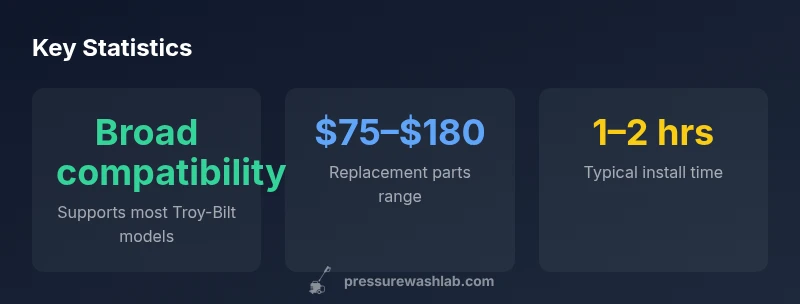
- Budget for replacement costs within the $75–$180 range
- Maintenance is the key to pump longevity