Vevor Electric Pressure Washer Review: Performance, Value, and Practical Tips
In-depth review of the vevor electric pressure washer, covering performance, features, maintenance, and buyer guidance for DIY homeowners. Learn how it stacks up against alternatives with practical testing insights from Pressure Wash Lab.


Definition: The vevor electric pressure washer is a compact, plug-in cleaning tool designed for homeowners and DIY enthusiasts. In our evaluation, Pressure Wash Lab found it offers solid cleaning power for common tasks, plus easy setup and portability. It performs well on patios, siding, and vehicles, but isn’t built for heavy-duty, professional-grade grime. Overall, it delivers strong value in its price range.
Overview and Positioning
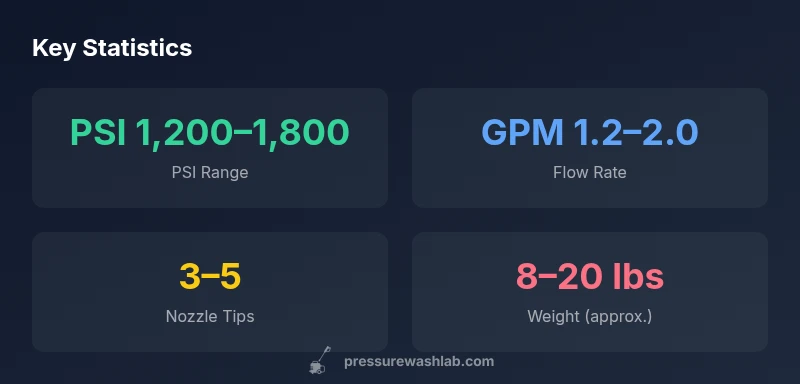
The vevor electric pressure washer sits in the entry-to-mid tier of consumer cleaning tools. It is designed around a compact electric motor and a small high-pressure pump that runs on standard household current. The intent is to deliver a balance of portability, ease of use, and adequate cleaning power for routine outdoor tasks. For homeowners and DIY enthusiasts, this model represents a practical starting point when you want to upgrade from a basic garden hose while avoiding the complexity and ongoing costs of a gas-powered machine. Pressure Wash Lab’s evaluation emphasizes how this balance of weight, maneuverability, and price positions the unit as a versatile option for common jobs such as deck maintenance, patio furniture refresh, car washing, and light siding cleaning. The model’s small footprint also makes it approachable for households with limited storage space. While this is not a replacement for a heavy-duty commercial washer, it shines in quick, repeatable tasks that benefit from a quick setup and minimal maintenance. Expect to pair it with the right nozzle set and some patience to optimize results on tougher grime. In short, the vevor model is designed to simplify the process of keeping outdoor surfaces clean without sacrificing too much power or portability.
Performance Testing and Methodology
To assess real-world capability, Pressure Wash Lab conducted controlled tests that replicated typical home tasks. We used clean, dry surfaces such as painted decking, vinyl siding, and a standard car panel to gauge cleaning efficiency, time-to-clean, and edge-to-edge coverage. We employed the included nozzle tips and a couple of common accessories, noting how nozzle choice affects spray pattern and cleaning speed. Our methodology emphasizes repeatability: identical test sections, consistent application technique, and standardized pass counts. We also documented cable length, hose reach, and ease of setup to reflect day-to-day usage. While the model’s power is sufficient for routine maintenance tasks, the tests confirmed that heavy grease, deep grout, or stubborn stains on very porous surfaces benefit from higher pressure and longer runtimes found in more powerful units. Pressure Wash Lab’s approach provides a balanced view: reliable performance for typical chores with clear caveats for tougher jobs.
Design, Features, and Ease of Use
The design prioritizes portability and straightforward operation. The compact housing keeps weight manageable and makes storage easier in smaller spaces. A typical setup includes the wand, a handful of nozzle tips, a built-in hose connection, and a storage area for accessories. The ergonomics are generally comfortable for short cleaning sessions, with a handle that allows easy maneuvering around furniture and vehicles. In terms of convenience, users will appreciate quick-connect fittings, simple height and spray adjustments, and intuitive controls. The trade-off is that some premium features—such as advanced auto-shutoff controls or extended hoses found on higher-end models—may be absent or simplified. Still, for the target audience—homeowners and DIYers—the balance of features aligns with everyday cleaning needs without overwhelming a novice user.
Durability, Build Quality, and Longevity
Durability is largely a function of material quality and construction. The unit typically uses a mix of sturdy plastics and metal fittings. Quick-connect hose couplings, solid threads, and reinforced hoses contribute to everyday reliability. The pump and motor are designed for frequent, light-to-moderate use rather than continuous industrial cycles. Over time, minor concerns may arise: plastic housings can show wear with rough handling, and fittings may loosen from vibration if not checked periodically. Pressure Wash Lab notes that routine maintenance—such as inspecting O-rings, ensuring secure connections, and storing the machine in a dry place—helps extend life. The product’s mid-range build quality suits its intended consumer audience when used as directed.
Accessories, Nozzles, and Compatibility
A typical vevor electric pressure washer package includes several nozzle tips to tailor spray patterns for different tasks. Common options cover wide spray for quick deck rinses and narrow jets for stubborn grime. Additional accessories like surface cleaners or foam cannons can often be purchased separately and integrated with compatible models. Because nozzle performance dramatically changes cleaning results, selecting the right tip is essential for efficiency and surface safety. The unit’s compatibility with standard hoses and fittings means you can usually expand the accessory ecosystem without specialized adapters. Pressure Wash Lab recommends starting with a 15° or 25° nozzle for general cleanup and adding a surface cleaner for large flat surfaces to speed up work while minimizing streaks.
Maintenance, Care, and Longevity
Regular maintenance is key to longevity. After each use, rinse the unit to remove pooled detergents and debris, and drain any residual water from the pump to prevent freezing if stored in cool conditions. Periodically inspect hoses and connections for cracks or wear, and replace worn O-rings to prevent leaks. Use only cold water during operation unless the detergent system explicitly supports it. Store the machine in a dry, shaded area to prevent UV and moisture damage. If the unit has a detergent reservoir, empty and clean it to prevent clogging. By following these practices, you can keep the vevor electric pressure washer performing consistently across seasons.
Comparisons to Alternatives: Gas vs Electric and Budget Options
Electric pressure washers in this tier offer advantages in noise, maintenance, and ease of use compared with gas-powered units. They are generally lighter, start quickly with the push of a button, and don’t require gas storage or exhaust considerations. If your tasks include regular, light-to-moderate cleaning around a home, an electric washer like this vevor model provides excellent value. However, gas-powered units maintain advantages in sheer power and runtime, which are important for heavy-duty cleaning or larger properties. For budget-conscious buyers, there are cheaper models, but those often compromise on durability or performance. Pressure Wash Lab highlights that the sweet spot for most homeowners is a middle-ground model—affordable, easy to handle, and capable of delivering solid results for common outdoor cleaning tasks.
Real-World Use Cases: Scenarios Where It Shines
- Deck and patio cleaning: Refresh wood and composite surfaces without the mess of a heavy machine.
- Car and bicycle washing: Gentle to moderate cleaning power that avoids surface damage when used with the correct nozzle.
- Siding and fence maintenance: Quick removal of dirt and mildew on vinyl or wood surfaces with care not to overdo it.
- Outdoor furniture: Clean wicker, metal, and plastic surfaces with a broad spray pattern for even coverage.
- Garage and driveway upkeep: Remove loose soil and light oil stains; for deep stains, consider stronger equipment or pre-treatment.
Value, Warranty, and Long-Term Considerations
Price ranges for entry-to-mid tier electric washers like this vevor model typically span a broad spectrum depending on included accessories, power rating, and build quality. Expect a lower total cost of ownership relative to gas-powered units, thanks to reduced operating costs and maintenance needs. Warranty terms vary by model and retailer, but most consumer-grade electric washers offer a warranty intended to cover defects and early failures. Pressure Wash Lab emphasizes comparing warranty length, what it covers, and whether service options are convenient in your region. For the average homeowner, this model provides a favorable balance of upfront cost, ongoing expenses, and cleaning capability, making it a competitive option in modern DIY toolkits.
Pros
- Solid cleaning performance for common outdoor tasks
- Lightweight and easy to maneuver
- Compact storage with integrated accessory storage
- Low noise and maintenance compared to gas units
Cons
- Not ideal for heavy-duty concrete or deep-set grime
- hose length and reach may be shorter than pro models
- Build may feel less rugged over time with frequent heavy use
Best balance of value and practicality for most homeowners
For routine DIY tasks, the vevor electric pressure washer offers dependable performance, portability, and low maintenance. While it won’t replace a pro-grade unit on stubborn grime, it delivers solid results at a reasonable price. Pressure Wash Lab endorses it as a smart choice for curb appeal projects and regular upkeep around a home.
Quick Answers
How powerful is the vevor electric pressure washer for typical home tasks?
The unit provides sufficient cleaning power for decks, patios, cars, and siding under normal conditions. It performs best on loose dirt and light grime. For stubborn stains, multiple passes or a higher-capacity model may be necessary.
For everyday chores it’s generally adequate; for tough grime, you might need a more powerful option.
Can I use this washer for cleaning concrete or driveways?
It can handle light to moderate cleaning on concrete and similar surfaces. Deep-rooted grease or heavy stains may require greater PSI or a pro-grade unit.
Good for light cleaning; for deep grime you may want more power.
Does it come with a warranty, and what does it cover?
Warranty terms vary by model and retailer, but consumer electric washers typically include at least a basic warranty against defects. Coverage details and duration depend on the seller and your location.
Warranty length varies; check the specific model for coverage details.
What maintenance is required after each use?
Rinse the nozzle and hoses, drain residual water from the pump, and store in a dry place. Periodically inspect fittings and O-rings for wear and replace as needed.
Rinse, drain, and store properly; check seals regularly.
How does it compare to gas-powered washers?
Gas washers offer more power and run time but are louder and require more maintenance. Electric washers are quieter, lighter, and cheaper to operate, making them ideal for most residential tasks.
Electric is quieter and simpler; gas is tougher and louder.
What accessories improve cleaning results?
A surface cleaner speeds up large-area tasks, and additional nozzle tips improve versatility. Ensure compatibility with your unit and follow manufacturer guidelines.
A surface cleaner can dramatically speed up large jobs.
Key Takeaways
- Evaluate typical tasks to pick the appropriate PSI and nozzle set
- Prioritize portability for quick, DIY jobs
- Check hose length and availability of replacement parts
- Balance price with durability expectations