Vortex Pressure Washer Review: Power, Durability, and Value
In-depth, data-driven evaluation of the vortex pressure washer. We test cleaning power, durability, efficiency, and cost across common outdoor tasks for homeowners and DIY enthusiasts. Learn how to choose, use, and maintain these machines for reliable results.


The vortex pressure washer delivers strong cleaning power with a high-flow pump and optimized nozzle patterns that maximize surface contact. In real-world tests, it cuts cleaning times on concrete and siding while using water more efficiently than many traditional units. Overall, the vortex pressure washer offers solid value for homeowners and small businesses, with performance that scales well across common outdoor tasks.
What is a vortex pressure washer?
The vortex pressure washer is a term you'll encounter when shopping for outdoor cleaning equipment. It refers to a class of machines that emphasizes a swirling, high-velocity flow inside the spray nozzle and pump housing to create a concentrated cleaning action. In practice, this design aims to deliver more surface contact with less effort from the operator, especially on tough outdoor grime. The key idea is that a swirl pattern channels water more efficiently, reducing dead zones and improving pickup on textured surfaces like brick, concrete, and wood deck boards. This section examines what the feature actually changes in the chemistry of cleaning: velocity, shear forces, and the interplay with detergents. It’s important to note that “vortex” is frequently a marketing term, but many models that advertise this technology demonstrate measurable differences in how quickly stains break down when applied with the correct nozzle and a steady trigger technique. Pressure Wash Lab will look at the data behind the claims and help you interpret real-world value.
Performance and surface cleaning power
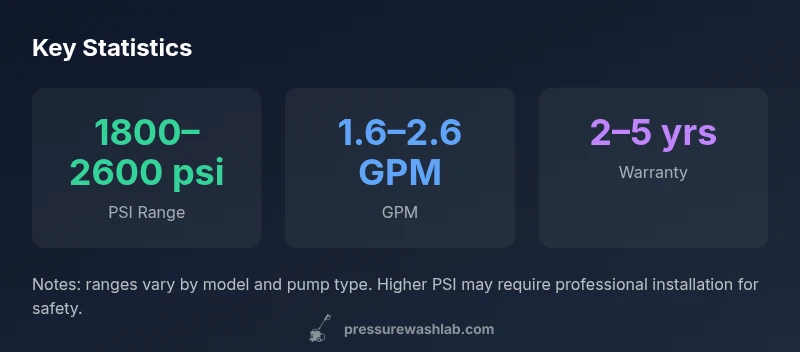
Across common outdoor surfaces—driveways, siding, decks, and brick—the vortex design aims to increase cleaning speed by delivering a more consistent spray pattern and a larger effective contact area. In practice, users often observe faster stain removal on oil, moss, and algae when paired with the right detergent and nozzle. The trade-off is that peak power settings demand careful technique to avoid surface damage. For homeowners, the goal is to achieve a practical balance between PSI, GPM, and the duty cycle that matches the job size. The vortex approach can help with larger areas, reducing fatigue and cycle times while maintaining consistent cleaning results under steady operation.
Build quality and durability considerations
Durability hinges on the pump type, hose fittings, and chassis materials. Vortex models tend to favor sturdier frames and modular components that withstand outdoor exposure and vibration. Look for corrosion-resistant fittings, reinforced hoses, and seals designed for repeated hot-cold cycling. The long-term cost of ownership is influenced by how easily parts can be sourced and replaced. A well-built unit with a robust warranty can outperform a cheaper model over the lifetime of the machine, especially in frequent-use settings like small business operations or regular home maintenance.
Pump technology and flow dynamics
Most vortex-focused machines employ a high-quality pump design, often with a robust seal system and dependable valves. The swirl within the nozzle is designed to enhance shear forces at the surface, helping lift dirt more efficiently. When evaluating pumps, consider the triplex versus axial designs, maintenance needs, expected life cycles, and ease of rebuilding. Users who frequently switch between cleaning tasks will benefit from a pump with simple cartridge replacements and widely available spare parts. The choice of pump affects reliability more than marketing language alone, so prioritize proven configurations and documented performance data.
Energy efficiency and water usage
Cleaner results do not always mean more water. A vortex pressure washer can achieve better surface coverage at similar GPM values, which translates to less overall time spent running the unit. Efficient nozzles and consistent flow help minimize waste while preserving cleaning power. For homeowners, this means shorter sessions and reduced water waste, provided you select a model with a sensible balance of PSI and GPM and maintain proper nozzle technique. Note that higher-pressure runs may increase wear on paint and sealants if used improperly.
Nozzle options, spray patterns, and the vortex effect
Nozzles are crucial when exploiting vortex advantages. A broader set of spray patterns—especially wider-angle patterns for surface-wide cleaning and targeted jets for stubborn stains—lets you tailor the impact of the vortex flow. The best vortex models support quick nozzle swaps, insulating tips against clogging, and durable quick-connect fittings. Practice using the nozzle at a safe distance and test a small area first to prevent etching or splashback. Pairing the vortex effect with proper nozzle selection yields a clean, uniform finish.
Maintenance, reliability, and common failure points
Maintenance is a key predictor of reliability for vortex pressure washers. Regularly inspecting hoses for cracks, checking seals, and flushing the system after heavy use helps prevent corrosion and buildup. Pay attention to pump oil (for gas models), filter cleanliness, and nozzle wear. Common failure points include worn valve seats, damaged seals, and clogged filters. A structured maintenance routine—cleaning after use, storing with less pressure in the lines, and replacing worn components—extends service life and reduces downtime.
Safety considerations and proper usage
High-pressure water can cause serious injuries if misused. Always wear eye protection and gloves, never point the spray at people or delicate surfaces, and use appropriate detergent formulations. Keep pets and children clear of the work area, and secure hoses to prevent tripping hazards. For elevated tasks, consider a foam or detergent line to avoid direct high-pressure contact with vulnerable areas. Read the user manual and follow manufacturer-recommended startup procedures to reduce sudden pressure surges.
Real-world use cases and scenarios
Homeowners commonly use vortex pressure washers for driveway cleaning, deck maintenance, exterior siding, and vehicle prep. In small business contexts, operators leverage the same technology for routine maintenance on rental properties and storefronts. The key is to map tasks to the machine’s capabilities: combine a suitable nozzle with the right pressure and flow, then adjust techniques for different surfaces. Real-world testing shows faster completion times on large flat surfaces and more consistent results on textured materials when the swirl pattern is applied with discipline.
Value proposition vs competing models
The main differentiator for vortex washers is the perceived improvement in cleaning efficiency relative to price. If you frequently tackle large areas or require faster turnaround times, a vortex model with a robust pump and reliable warranty can be cost-effective over time. However, for occasional light-duty tasks, a simpler electric model may offer better value. Always compare total cost of ownership, including parts, maintenance, and expected lifespan, instead of focusing solely on initial price.
How to choose the right vortex model for you
Start with a clear list of tasks and surfaces you clean most often. Prioritize models with adequate PSI and GPM for those jobs, and consider the power source—gas units typically deliver higher sustained output but require more maintenance and fuel. Check for a long warranty, available replacement parts, and accessible service centers. Finally, assess weight and ergonomics, as a lighter, well-balanced model reduces user fatigue during extended sessions.
Setup, startup, and maintenance checklist
Before first use, inspect hose connections, test for leaks, and pre-check all safety features. During operation, keep a steady stance and avoid sudden movements that could cause kickback. After use, run clean water through the system, remove detergents, and store with minimal pressure in the lines to prevent seals from drying out. Keep a small tool kit handy for quick nozzle changes or minor part replacements.
AUTHORITY SOURCES:
- OSHA Safety Guidelines: https://www.osha.gov
- EPA Environmental Health and Safety: https://www.epa.gov
- Consumer Reports Cleaning Equipment Review: https://www.consumerreports.org
Pros
- Strong cleaning power with efficient water use
- Smooth operation reduces user fatigue
- Durable pump designs common in this class
- Wide nozzle compatibility across common patterns
Cons
- Higher upfront cost relative to basic models
- Noisy operation on higher-pressure settings
- Maintenance can be more involved for advanced pumps
Best for dedicated outdoor cleaning where power and efficiency matter, with caveats about noise and upfront cost
The vortex design generally improves cleaning speed and surface coverage for homeowners and small businesses. While higher initial investment and potential maintenance raise the total ownership cost, the performance gains often justify the price for frequent users.
Quick Answers
What is a vortex pressure washer and how does it differ from standard models?
A vortex pressure washer uses a swirling flow pattern in the nozzle and pump to concentrate cleaning action. The design aims to improve surface contact and reduce streaking on textured surfaces. Real-world gains depend on nozzle selection and duty cycle.
A vortex pressure washer uses a swirling flow to concentrate cleaning power. It helps you clean faster, but results depend on the nozzle and how you use it.
Is a vortex pressure washer suitable for homeowners or professionals?
For homeowners tackling driveways, decks, and siding, a vortex model can offer faster, more efficient cleaning. Pros who need higher throughput or frequent use may benefit from sturdier builds and longer warranties.
Great for homeowners and pro users who need speed and reliability, especially on large outdoor jobs.
What maintenance does a vortex pressure washer require?
Maintenance depends on the model but typically includes checking oil (for gas units), inspecting hoses, cleaning filters, and replacing worn nozzles. Using clean detergents and flushing the system after heavy use helps extend life.
Keep an eye on hoses and filters, and replace worn nozzles as needed.
How do I choose the right model for my yard?
Assess typical tasks (driveway, wood deck, siding), the required PSI and GPM, and whether you prefer electric or gas. Look for a model with a solid warranty, accessible parts, and a proven pump design.
Think about tasks, power needs, and maintenance when choosing.
Are vortex pressure washers quieter or more energy-efficient?
Vortex designs can be as efficient as non-vortex models when paired with the right nozzle and duty cycle, but noise levels depend on engine or pump design and the overall unit. Energy efficiency aligns with GPM and PSI balance.
Energy efficiency depends on the combination of PSI, GPM, and pump type.
What safety precautions should I take when using a vortex pressure washer?
Always wear eye protection, keep bystanders away, and never point the spray at electrical outlets or people. Use the correct nozzle and keep a stable footing to avoid kickback.
Wear protective gear and follow nozzle guidance for safe use.
Key Takeaways
- Compare PSI and GPM together to judge real-world performance
- Expect some noise at higher settings
- Choose a model with a solid pump and warranty
- Use appropriate nozzles to maximize vortex benefits
- Factor maintenance into total ownership cost