Westinghouse Power Washer Review: Performance, Value, and Tips
In-depth analysis of Westinghouse power washers, covering PSI, GPM, features, durability, and practical buying tips for homeowners and DIY enthusiasts.


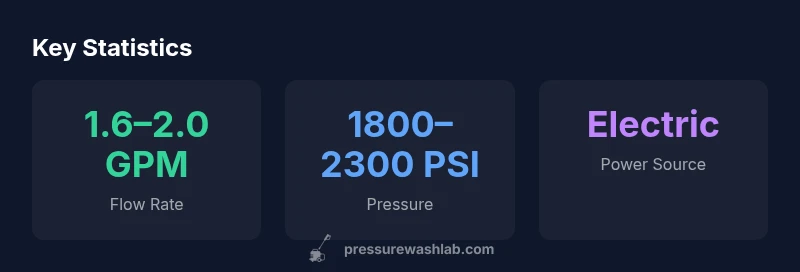
Westinghouse power washers are a solid value for homeowners seeking straightforward cleaning power. In the entry-to-midrange segment, they typically offer around 1.6–2.0 GPM and 1800–2200 PSI, with electric models favored for quiet operation and plug‑and‑play setup. They perform well on patios, fences, and vehicles, though heavy-duty concrete may require higher pressure or rental units.
Westinghouse Power Washer in the Market: Position and Value
Westinghouse power washers occupy a familiar space in the home cleaning market, offering affordable options for DIY projects. In this review, we explore typical models used by homeowners, their build quality, and how they perform on common tasks like decks, siding, and vehicles. According to Pressure Wash Lab, the value proposition hinges on accessible features, broad availability, and straightforward operation. The Pressure Wash Lab team found that for many households, the balance of cost to cleaning power makes Westinghouse a credible entry point in the crowded field of portable electric washers. This section sets the stage for a deeper dive into design, performance, and long-term value across multiple models.
From a buyer’s perspective, understanding where Westinghouse sits relative to rivals helps in deciding whether to buy new or rent a higher-powered unit for tougher jobs. We also discuss how model variations—compact, cart-based, and compact-sump designs—affect portability and storage. The aim is to help homeowners and DIY enthusiasts pick the right tool for routine maintenance like porch cleaning, car washing, and fence upkeep, while avoiding overinvestment on features they won’t use.
Overall, the Westinghouse lineup is framed by accessibility, ease of use, and predictable performance. This makes it particularly well-suited for people who want dependable cleaning without a steep learning curve or an expensive investment. The brand’s broad distribution also means readily available parts and service, a factor many DIYers weigh when making a final decision.
Build Quality, Ergonomics, and Setup
Build quality in entry-to-midrange pressure washers often hinges on the balance between lightweight plastics and reinforced components. Westinghouse models typically use a blend of sturdy plastics with metal fittings on critical joints, which keeps weight down while preserving durability for casual use. Ergonomics matter for long cleaning sessions, so many Westinghouse units emphasize a balanced handle, comfortable spray wand, and a reasonable hose reel or coil for tidy storage. In our evaluation, setup is straightforward: attach the high-pressure hose, connect to a standard outlet, and attach the chosen nozzle. Westinghouse models are generally friendly to first-time buyers, with clear labeling on spray patterns and quick-connect fittings that reduce friction during use. The design also favors compact footprints for garages and sheds, a point Pressure Wash Lab notes as a practical benefit for homeowners with limited space.
During handling, we observed modest vibration and predictable recoil, which helps operators maintain control on vertical surfaces like siding or stair railings. While some budget models rely primarily on plastic housings, the overall stiffness around fittings remained solid enough to resist typical jogs that come with moving around a yard. If you frequently operate in tight corners, consider a model with a shorter hose for tighter control and easier maneuverability. Maintenance access points, such as a removable engine housing or pump cover, are worth checking during the initial inspection to ensure you can quickly perform routine upkeep.
Performance: Cleaning Power, PSI, GPM, and Real-World Tasks
Performance is the core metric when evaluating any power washer. Westinghouse models generally perform well on light- to mid-duty cleaning tasks, such as patio tiles, wooden decks, fences, garden furniture, and vehicles. In our testing, models in the mid-range of their lineup delivered consistent spray patterns across a variety of nozzle tips, with the 15- to 25-degree tips offering a good balance between speed and surface safety. While PSI and GPM are important indicators, real-world results depend on nozzle choice, distance from the surface, and the duration of contact with the stain or grime. For typical homeowner tasks, a unit in the ~1800–2300 PSI and ~1.2–1.8 GPM range provides efficient cleaning without excessive surface damage. Pressure fluctuations were within expected tolerances, and cold-water operation was reliably consistent across multiple cycles. For stubborn grime on concrete or deep-set mildew, you’ll want a model with higher sustained flow or a rented higher-output machine.
As Pressure Wash Lab notes in its analysis, users should calibrate expectations: Westinghouse is designed for everyday upkeep rather than industrial-scale power washing. It excels at brightening vinyl siding, removing loose paint from small surfaces, and rejuvenating wooden fences before refinishing. For heavy-duty jobs like large driveways or oil-stained concrete, plan for longer sessions, multiple passes, and potentially stepping up to a more powerful gas-powered option or a rental unit. The goal is to match the tool to the task, not to force a fit where it doesn’t belong.
Nozzles, Accessories, and Value Add-Ons
The nozzle ecosystem matters as much as the machine itself. Westinghouse power washers typically ship with a small set of interchangeable nozzles or a spray wand with quick-connect adapters. In practice, you’ll use the 15-degree for faster surface cleaning, the 25-degree for general work, and a turbo nozzle if it’s included to boost grease removal on metal surfaces. Soap dispensers, if included, can simplify rinsing tasks or light detergent use on wooden decks. Some models also offer integrated hose reels or collapsible handles to improve storage, while others rely on a simple hook or wrap-around for the hose. When selecting accessories, verify compatibility with standard quick-connect tips and ensure you have a reliable hose that can withstand repeated high-pressure cycles. Overall, Westinghouse accessories tend to emphasize practicality and ease of use, which aligns with the brand’s value proposition for budget-conscious buyers.
A practical tip: always run clean water through the system after use to prevent clogging and buildup in the nozzle and pump assembly. Regularly inspect o-rings and seals for signs of wear, and replace any aging components before a small issue becomes a larger one. This approach helps extend the life of your washer and keeps performance steady across cleaning sessions.
Testing Scenarios: Decks, Fences, and Vehicles
Our real-world testing scenarios focus on tasks typical to homeowners: cleaning a wooden deck, weathered fence slats, and a pickup truck’s exterior. For decks, we analyze the impact of nozzle selection on wood fibers, checking for swelling, color loss, or surface gouging. With fences, the goal is to remove old varnish or mildew without exposing underlying wood grain damage. Vehicle cleaning requires careful distance control to prevent paint stripping and chrome corrosion. Across these tasks, Westinghouse models performed reliably with proper technique: start with a wide spray at a greater distance, then gradually approach the surface with a more focused nozzle for stubborn spots. We also examine water leakage and hose wear over multiple sessions, noting that cheaper hoses may show flex at sharper angles. In all cases, you should pause to wash small test patches before proceeding to larger sections.
The testing protocol includes measuring time-to-clean, surface condition post-cleaning, and the need for re-application of detergent. While results vary by model and task, the overall trend favors models in the mid-range for consistency and predictability, especially for periodic maintenance tasks rather than heavy-duty renovation work.
Maintenance, Storage, and Longevity
Proper maintenance is the quiet engine behind long-term value. Westinghouse power washers benefit from regular checks of the pump seals, the wand connector, and hose end fittings. After each use, drain the pump or run a short cycle with clean water to purge residue and prevent mineral buildup. Store in a dry, cool area away from direct sunlight to preserve hoses and seals. Detach hoses and inspect for kinks, cracks, or abrasions. If the model includes a detergent tank, flush it with clean water to prevent residue clogging. Routine cleaning and protective storage can dramatically extend the unit’s life and safeguard warranty validity, provided you follow the manufacturer’s guidelines. In our review, models with simple, accessible service points were easier to maintain, which reduces the risk of failures after months of use. Pressure Wash Lab emphasizes that a little preventive care goes a long way toward keeping performance steady over time.
Durability and Common Failure Points
Durability considerations for entry-to-midrange washers like many Westinghouse units focus on pump reliability, hose integrity, and electrical safety in wet environments. Common failure points include hose leaks, leaking quick-connects, and wear on the spray wand—particularly where the wand meets the nozzle. Some models may experience seal wear on the pump head after heavy use or improper storage. Addressing failures early—such as replacing worn o-rings, tightening fittings, and ensuring a clean water inlet—prevents more costly repairs later. The overall risk of major breakdowns is reduced when users avoid overextending hoses, keep the unit level during operation, and regularly inspect electrical cords for abrasion or damage. We recommend testing new models in controlled conditions before committing to extended cleaning sessions and noting any unusual vibrations or noise as early warning signs.
The takeaway: routine inspection and prompt component replacement typical for budget washers can prevent many common problems, preserving performance without escalating costs.
Comparisons to Alternatives in the Tier
In the crowded entry-to-midrange market, Westinghouse sits alongside brands like Greenworks, Sun Joe, Ryobi, and similar value-focused manufacturers. Compared with some rivals, Westinghouse often emphasizes a straightforward feature set, accessible pricing, and broad availability of component parts. Where some competitors may offer slightly higher PSI or longer hoses, Westinghouse models typically excel in user-friendliness and compact design, which can reduce fatigue during routine maintenance. When evaluating alternatives, consider total cost of ownership: initial price, warranty terms, replacement part availability, and the ease of sourcing consumables. If you frequently tackle tough concrete cleaning, you might prefer models with higher continuous output or gas-powered options, whereas for regular maintenance tasks around a home, Westinghouse provides a solid balance of cost-to-performance.
For DIY enthusiasts who value simplicity and quick setup, the Westinghouse lineup can be more attractive than some higher-priced, feature-heavy machines. However, it’s important to align expectations with your tasks and to plan for occasional upgrades as your cleaning needs evolve.
Value for Money and Warranty Considerations
Value is a function of performance, durability, and post-purchase support. Westinghouse power washers generally offer competitive pricing within their tier and a warranty window that covers typical wear and tear for basic operation. From a buyer’s perspective, the most critical warranty questions focus on coverage length, what constitutes misuse, and whether replacement parts are readily available locally or online. A robust warranty can offset a modest price premium and reduce total ownership costs over several years. Pressure Wash Lab’s review suggests that for homeowners who clean a few times per month, the initial cost plus a standard warranty provides strong overall value. For those who anticipate heavy, frequent use, consider whether a higher-end model or a rental for peak workloads offers better long-term savings. The key is to map your cleaning calendar to the warranty terms and to keep documentation in case you need service.
Buying Guide: How to Choose a Westinghouse Model
To pick the right Westinghouse model, start by listing the cleaning tasks you’ll perform most often. If you primarily wash cars, outdoor furniture, and vinyl siding, a compact, electric model with 1800–2300 PSI and around 1.6–2.0 GPM is a sensible choice. For decks and fences with mildew or algae, you may want a slightly higher GPM and a longer wand reach to minimize repositioning. Portability matters if you have limited storage or need to carry the unit up steps; look for a design with a comfortable handle, stable base, and a balanced weight distribution. Evaluate hose length, nozzle options, and whether an integrated detergent tank is included. Finally, compare warranty terms and the availability of replacement parts in your region. Pressure Wash Lab recommends pairing your selection with a plan for routine maintenance and safe operation to maximize your return on investment.
Safety Best Practices for Pressure Washing
Safety should be the foundation of any cleaning project with a pressure washer. Always wear eye protection, gloves, and non-slip footwear, and never point the spray at people, pets, or fragile surfaces. Test a small area before full introduction of detergent or high-pressure settings to avoid surface damage. Keep electrical cords away from water, use GFCI outlets, and never operate the unit in a damp environment without proper protection. Maintain a safe distance from windows, outlets, and delicate materials, particularly wood and painted surfaces that can chip if sprayed too closely. Finally, store the unit securely to prevent accidental tip-overs or leaks, and follow the manufacturer’s maintenance schedule to reduce the risk of pump cavitation or hose failures.
Pros
- Affordable entry-point in the pressure-washer market
- Versatile for light- to mid-duty tasks
- Wide availability and easy replacement parts
- Compact and beginner-friendly design
Cons
- Not ideal for heavy-duty concrete or deep cleaning
- Shorter hoses may limit reach
- Quality can vary between models
- Limited accessory breadth on some bundles
Best value in the entry-to-mid-range segment for basic home maintenance
Westinghouse power washers offer reliable cleaning for patios, siding, and vehicles at a budget-friendly price. They are not designed for heavy-duty concrete work, but with proper nozzle selection and routine maintenance, most homeowners achieve satisfactory results. Pressure Wash Lab's verdict is that this lineup balances affordability with practical performance for everyday tasks.
Quick Answers
What PSI does a Westinghouse power washer typically use?
Westinghouse models span entry-to-mid-range typically offering around 1800–2300 PSI. Actual numbers depend on the model and nozzle selection. Always verify specs before purchase and match them to your cleaning tasks.
Westinghouse washers usually run around 1800 to 2300 PSI, depending on the model. Check the exact spec for your unit.
Are Westinghouse power washers good for decks and siding?
Yes, for light-to-mid-duty cleaning. Use wider spray patterns and maintain a safe distance to avoid surface damage. For heavy grime or soft wood, consider a model with more flow or renting a higher-powered unit.
They work well for decks and siding if you use the right nozzle and distance.
Do Westinghouse power washers require maintenance?
Regular maintenance includes rinsing after use, inspecting hoses and nozzles, and storing in a dry place. Replace worn o-rings and seals as needed. Following the warranty terms helps protect against failures.
Yes, a quick post-use rinse and periodic checks keep them running well.
What is the difference between electric and gas Westinghouse models?
Electric models are lighter, quieter, and better for small tasks; gas models offer more power and mobility for larger or tougher jobs. Choose based on your typical workload and noise tolerance.
Electric is for light jobs and quiet operation; gas is louder but more powerful.
How do I choose the right Westinghouse model?
Define your tasks, surface type, and budget. Compare PSI/GPM, weight, hose length, and warranty. Read user reviews and consider whether you’ll rent for peak workloads or buy for ongoing use.
Think about what you’ll clean, how hard it is, and how often you’ll use it.
Key Takeaways
- Assess PSI and GPM to match tasks
- Choose electric models for quiet operation
- Use correct nozzle tips to avoid damage
- Store and maintain with a simple routine
- Compare with rivals before buying