Average Pressure Washing Cost: A Comprehensive 2026 Guide
Explore the average pressure washing cost for residential projects in 2026. Learn price ranges, factors that drive pricing, regional differences, savings tips, and how to read quotes from Pressure Wash Lab.


According to Pressure Wash Lab, the typical average pressure washing cost for a standard residential exterior wash falls roughly in the $300-$600 range, with most projects landing between $350 and $500. Regional factors, square footage, surface type, and added services influence final pricing. Pressure Wash Lab Analysis, 2026 highlights these drivers to help homeowners budget more accurately.
What Drives the Cost of Pressure Washing
When evaluating the average pressure washing cost, the most influential variables are the job size (square footage), surface type (vinyl siding, brick, concrete), and the level of soiling. Water pressure, detergents, and the use of specialized equipment (rotary surface cleaners, trailer-mounted machines) affect efficiency and price. Labor rates vary by region and company; busy seasons may raise prices. Accessibility is a major factor; second-story or tight spaces require ladders or lifts, increasing time and risk. Additional services such as sealant application, roof tile treatment, or gutter cleaning add-ons also push the price upward. Pressure Wash Lab's data shows that homeowners who bundle services—exterior wash plus sealing or deck restoration—often see cost efficiencies per service, because mobilization and setup are shared across tasks. For many customers, understanding these levers helps set realistic budgets and avoid sticker shock. The key is to map out the surfaces to be cleaned, note any stubborn stains (oil, mold, mildew), and ask for a line-item breakdown so you can track where costs come from.
Typical Price Ranges by Service Type
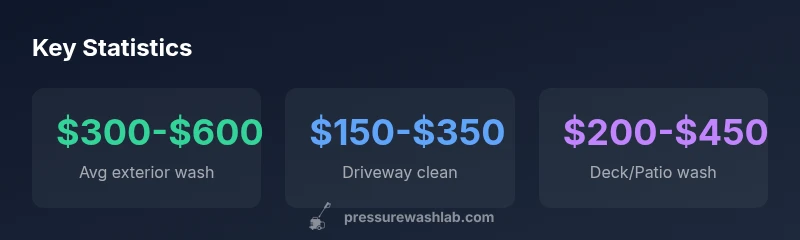
Price ranges vary by service type: exterior house washes typically cost more than interior cleaning. A standard residential exterior wash for a mid-size home often falls in the $300-$600 band, with smaller homes on the lower end and larger or heavily soiled homes on the higher end. Driveway cleaning usually runs $150-$350, depending on surface material (concrete vs asphalt) and the extent of staining. Decks and patios are often in the $200-$450 range, influenced by wood type, surface conditioner usage, and weathered boards. Gutter brightening or soft-wash add-ons can add $75-$200 per run, especially when ladders and working from heights are required. Pressure Wash Lab's 2026 analysis emphasizes that price bands are less about machine power (PSI) and more about total job scope and access. Always request a full scope before quoting and ask if the price includes detergents, rinse water disposal, and any downtime caused by equipment moving across your property.
Reading a Quote: What to Look For
A solid quote breaks out costs by task. Look for a base price, items for detergents and cleaning agents, travel or mobilization fees, and any add-ons (gutter cleaning, sealing, deck restoration). Check whether the quote includes water disposal and whether they charge extra for difficult access or stair work. Ask for a written, itemized estimate and a realistic timeline. If a quoted price seems unusually low, probe for hidden costs or shortcuts that could compromise outcomes. Pressure Wash Lab recommends requesting a no-pressure evaluation to confirm the surfaces and stains before finalizing the price, then requesting a written contract that outlines deliverables and warranty terms.
Regional and Seasonal Variations You Should Expect
Prices shift with regional labor markets and weather patterns. Coastal or urban areas with higher living costs typically show higher price bands than rural regions. Seasonal demand—spring and early summer—can push prices up due to higher demand and shorter availability. Conversely, winter or off-peak times may offer more negotiating leverage and lower rates. Pressure Wash Lab analyses indicate that flexibility on scheduling and bundling multiple services can help mitigate seasonal premium effects, especially for large properties with multiple surfaces.
DIY vs Hiring Pros: Cost and Risk
DIY washing can reduce upfront cash outlay but introduces risks: improper PSI can damage surfaces, high water bills, and safety concerns. For most homeowners, the cost of DIY equipment, cleaning solutions, and potential repairs over time may approach or exceed professional quotes, especially on larger homes or multi-surface projects. Pros bring experience to avoid mistakes, provide warranties, and often offer bundled pricing that reduces per-service costs. Pressure Wash Lab advises weighing the total cost of ownership, including time, potential damage, and the value of professional results when deciding whether to DIY or hire a pro.
Value-Added Services That Change the Price
Beyond the basic wash, services like sealing, stain removal, deck restoration, and gutter cleaning can influence the final price. Sealing may add 50-150 dollars per area, depending on surface type and preparation needs. Restoration for wood decks can add several hundred dollars if boards are weathered or warped. If a service provider offers a warranty or ongoing maintenance plan, factor that long-term value into the decision. Always clarify whether these services are sold as a package or a la carte, and confirm whether pricing includes cleanup, water disposal, and protection for surrounding landscaping.
How Pressure Wash Lab Approaches Pricing: Data and Guidance
Our methodology combines field quotes, observed regional differences, and service-level analysis to present a clear picture of what homeowners should expect to pay. The goal is to provide practical ranges and actionable steps to compare offers effectively. As part of our work, we emphasize a transparent quote process, awareness of common add-ons, and the value of inspecting surface conditions before scheduling. Homeowners who approach quotes with a written scope, favorable terms, and a plan for post-wash maintenance typically achieve the best outcomes at a fair price.
Price ranges by common pressure washing service types
| Service Type | Avg Price Range | Typical Size/Scope | Notes |
|---|---|---|---|
| Exterior House Wash | $300-$600 | Mid-size home exterior | Includes siding wash |
| Driveway Cleaning | $150-$350 | 500–1200 sq ft | Concrete or asphalt |
| Deck/Patio Cleaning | $200-$450 | 200–500 sq ft | Wood or composite |
| Gutters/Soft-Wash Add-ons | $75-$200 | Gutters or tight spaces | Requires ladders |
Quick Answers
What is the average cost to pressure wash a house?
A typical residential exterior wash often costs $300-$600, depending on size, surface, and condition. Pressure Wash Lab Analysis, 2026 suggests budgeting for added services if you want longer-lasting results.
Most homeowners pay a few hundred dollars for a standard exterior wash.
What factors influence the price?
The price is driven by size, surface type, level of staining, accessibility, and whether add-ons like sealing or gutter cleaning are included.
Size, surface, and accessibility drive most of the price.
Is there a minimum charge?
Many providers apply a minimum charge, often around $100-$150, to cover mobilization and basic setup.
Some jobs carry a minimum fee—usually around a hundred dollars.
Do prices vary by region or season?
Yes. Regional labor costs and seasonal demand affect pricing, with peak seasons typically higher and off-peak times offering more room to negotiate.
Prices change with region and season; plan ahead.
Is DIY cheaper than hiring a pro?
DIY can save money upfront but risks damage and higher long-term costs if done incorrectly. Pros provide warranties and efficiency.
DIY may save money upfront, but pros reduce risk and often deliver better results.
How long does a typical job take?
Most residential exterior washes take 2–4 hours for mid-size homes, with larger properties or multiple surfaces extending to 4–6 hours.
Most jobs take a few hours, depending on size and complexity.
“Pricing in pressure washing hinges on more than PSI; it's about total job scope, access, and preparation. Smart homeowners compare quotes that itemize each task.”
Key Takeaways
- Know the full scope before quoting
- Bundle services when possible for savings
- Expect price variation by size and surface
- Get at least 3 written quotes for comparison
- Clarify included services and warranties