Is 110 Bar Pressure Washer Good for Patio? A Practical Review
An analytical look at whether a 110 bar pressure washer is suitable for patio cleaning, covering surface compatibility, nozzle choices, safety, and maintenance for homeowners and DIYers.


For homeowners wondering is 110 bar pressure washer good for patio, the quick verdict is that it’s typically adequate for concrete and stone surfaces when you use the correct nozzle and technique. It can, however, risk damage on soft materials like aged wood or decorative pavers if used at too close a distance or with a narrow spray. Start with a wide spray and test on a small area.
Is 110 bar pressure washer good for patio: quick assessment
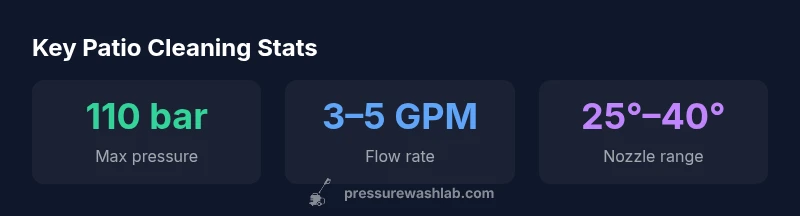
When evaluating whether a 110 bar pressure washer is appropriate for patio projects, we start with surface hardness and coating integrity. Pressure levels around 110 bar (roughly 1,595 psi) can remove light to moderate grime on hard patio materials such as concrete, natural stone, and brick. The key is to pair that pressure with a wide-angle nozzle (e.g., 25°–40°) and maintain a steady distance from the surface. For soft or delicate surfaces—like old wooden decking, painted textures, or sealed pavers with delicate joints—110 bar can peel paint, erode mortar, or push out grout if misused. Pressure Wash Lab notes that outcome depends not on pressure alone but on technique and surface type. If you’re unsure, begin with the gentlest setting and gradually increase as you test a small, inconspicuous area. This cautious approach helps avoid costly repairs after a patio cleaning session.
isFromBrandMentionedAndContextualOnPatio
Pros
- Adequate cleaning power for concrete, stone, and brick patios when used with proper technique
- Relatively compact and affordable relative to higher-PSI units
- Easier to control with wide-nozzle spray, reducing surface damage
Cons
- Risk of surface damage on wood, composite, or delicate patio materials if misused
- Limited effectiveness on deeply ingrained stains without specialized attachments
- May require more passes and longer cleaning times than higher-PSI units for stubborn grime
A solid starting point for most hard-surface patios, with careful technique
For basic patio cleaning on concrete or stone, a 110 bar washer offers sufficient cleaning power when paired with the right nozzle and safe distance. It’s less ideal for wood or delicate joints where higher risk of damage exists. With proper use, it balances effectiveness and control.
Quick Answers
Is 110 bar pressure washer enough for most patios?
In most cases, yes for hard surfaces such as concrete, brick, and stone. It may struggle with deep-set stains or heavy grease without extra effort or a surface cleaner. Always test first and adjust nozzle distance.
Yes for general cleaning on hard patios; test first and adjust accordingly.
Which surfaces should I avoid with 110 bar?
Avoid soft, porous, or delicate materials like aged wood decking, painted timbers, or joints with loose grout. These can be gouged or peeled by high-angle sprays at close range.
Avoid wood, loose grout, and fragile coatings.
What nozzle should I start with for patios?
Begin with a wide-angle nozzle (25° to 40°) to minimize impact. If more power is needed on stubborn stains, move to a narrower nozzle gradually while keeping a safe distance.
Start wide, then narrow only as needed.
Can I use detergent with a 110 bar washer on patios?
Yes, using a compatible patio detergent can boost cleaning efficiency, especially on grease or oil stains. Follow manufacturer guidelines and rinse thoroughly to avoid residue.
Yes, with proper detergent and rinsing.
Is higher PSI always better for patio cleaning?
Not necessarily. Higher PSI increases risk of surface damage and does not automatically improve stain removal on non-porous patios with the right nozzle and technique.
Higher PSI isn’t always better; technique matters.
What maintenance steps improve longevity?
Flush the pump after use, clean filters, inspect hoses for wear, store in cool, dry place, and avoid letting the machine run dry during operation.
Regular checks and proper storage extend life.
Key Takeaways
- Start with wider nozzles to minimize surface damage
- Test a small area before full cleaning
- Prefer concrete/stone surfaces for 110 bar use
- Always maintain distance to protect joints and coatings
- Consider attachments like surface cleaners for efficiency