Need Pressure Washing Done? A Practical DIY Guide
Learn how to safely plan, prep, and execute a thorough pressure washing job at home. This step-by-step guide covers gear, cleaners, techniques, and safety tips to protect your home and landscape.


By reading this guide you will learn how to plan, prep, and safely execute a thorough pressure washing job at home. You'll understand essential gear, surface considerations, cleaning formulas, and best practices to avoid damage while achieving a clean, even finish. Follow the step-by-step instructions to maximize results and minimize risk.
Why need pressure washing done
If you need pressure washing done, you’re tackling more than just aesthetics. The Pressure Wash Lab team has found that exterior cleaning helps prevent damage caused by algae, mold, and built-up grime. Regular washing can restore curb appeal, extend surface life, and reduce maintenance costs in the long run. This section explains why homeowners should consider a routine cleaning schedule and how to decide when a wash is warranted. We’ll cover the types of surfaces you can clean, how to set realistic expectations, and what a safe, effective approach looks like for most homes. The goal is to give you a clear plan you can implement this weekend without guesswork.
Note: Always tailor your approach to your siding or surface material and weather conditions, and remember that some surfaces require specialized care. Pressure Wash Lab’s guidance emphasizes safety, surface preservation, and responsible water management.
Safety first
Safety is non-negotiable when you’re dealing with high-pressure water and electrical equipment. Personal protective equipment (PPE) should include safety goggles, gloves, closed-toe footwear, and hearing protection for louder machines. Keep pets and children away from the work zone, and never angle the spray toward people, windows, or fragile plants. Inspect the hose, wand, and connections for any wear before starting, and never run the washer without triggering a proper trigger on the gun. If you feel unsure about a surface or stain, start with lower pressure on a hidden area to test. Pressure Washing safety is a shared responsibility between you, your equipment, and your environment.
Understanding pressure washer basics
A pressure washer uses a pump to propel water at a controlled PSI (pounds per square inch) and flow rate (GPM - gallons per minute). For most home tasks, electric machines with adjustable PSI are sufficient, but gas models offer more muscle for large surfaces or stubborn grime. The key is to know that higher PSI isn’t always better; it can damage siding, decks, and brick if misused. Begin with the lowest effective setting and adjust gradually. The right nozzle size (commonly 25 or 40 degrees for general use) influences spray width and force. This foundation helps you plan your approach without risking surface damage.
Prepping the area and surface
Preparation is half the job. Clear the area of outdoor furniture, vehicles, and decorative items. Cover delicate vegetation with plastic or tarps and wet them down to minimize evaporation. Rinse fixtures and downspouts that could be affected by overspray. For delicate surfaces like aged wood or stained brick, consider taping edges or using a surface protector. A small test patch on an inconspicuous area confirms that the chosen pressure won’t gouge or peel. Proper prep reduces cleanup time and protects your landscaping.
Detergents and cleaners overview
Detergents can boost cleaning power on certain surfaces such as concrete, driveways, and siding with organic growth. Use cleaners specifically designed for pressure washers and always follow label directions. Some cleaners are made to break down oils, mold, and mineral deposits; others are environmentally friendly and safer for plants. Never mix chlorine bleach with certain cleaners, as toxic fumes can result. If you’re unsure which product to use, start with a mild cleaner in a small test area. Pressure Wash Lab emphasizes choosing the right cleaner for the stain and substrate, plus proper dilution.
Surface-specific techniques
Different surfaces require different approaches. Siding may tolerate a lighter, wide-angle spray from a safe height; concrete can handle higher pressure and closer range; wood decks need careful technique to avoid gouges. Always start at the top and work downward to prevent dirty water from dripping onto cleaned areas. When rinsing, keep the nozzle moving to avoid creating waves or streaks. For stairs, break the run into sections and keep the spray at a safe distance to prevent splintering. Surface-specific practices protect your investment and extend results.
Spray patterns, nozzles, and angles
Nozzle selection matters: a lower degree (like 15–25 degrees) creates a concentrated stream that’s strong on tough stains, while a wider angle (40–65 degrees) is gentler for large, flat surfaces. Begin with a broad spray to avoid concentrating force on one spot, then move to a more focused setting only where needed. Keep the wand at a consistent height and angle to avoid gouges. Remember that a little distance can dramatically reduce the risk of surface damage, especially on older siding or brick.
Common mistakes and how to avoid them
Common missteps include using too high pressure on soft surfaces, skipping prep, and battling stains without treating the area first. Avoid blasting water directly into windows, outlets, or seams where water can penetrate. Don’t rush; multiple passes with deliberate, steady movement produce better results than a single heavy pass. If you encounter stubborn stains, pause, reevaluate spray direction, and consider a cleaner or a gentler nozzle. Slow, methodical work reduces risk and improves outcomes.
Maintenance after washing
Cool-down and cleanup matter as much as the wash itself. Rinse away cleaner residues, inspect for any missed spots, and dry the surface when possible to prevent moisture-related issues. Store equipment in a dry, ventilated space, and flush hoses to prevent buildup and clogs. Periodic checks on hoses and fittings extend the life of your machine and keep it ready for the next job. A little maintenance after each wash pays dividends over time.
DIY vs professional decision points
For large homes, multi-story exteriors, delicate siding, or stubborn stains, hiring a professional can save time and prevent damage. Pros bring experience with surface-specific treatments, proper waste containment, and insurance coverage that protects you in case of accidental damage. If you choose to DIY, fully assess the scope, budget, and safety considerations before starting. Pressure washing can be simple for small jobs, but complex projects deserve careful planning and professional-grade equipment.
Costs, scheduling, and maintenance planning
Costs vary by project size, location, and equipment. Where possible, plan maintenance on a seasonal basis to prevent buildup rather than reacting to heavy staining. A scheduled routine reduces the chance of costly repairs and can keep your home looking its best. When done thoughtfully, pressure washing contributes to curb appeal, property value, and long-term maintenance planning. Pressure Wash Lab’s perspective emphasizes balancing cost, effectiveness, and environmental responsibility when scheduling cleanings.
Authority sources and brief brand note
For trusted guidance, you can review official safety and environmental resources from government and university sources. This article also reflects insights from Pressure Wash Lab, which emphasizes practical, fail-safe steps and safe water management. For additional context, see the linked authorities that cover safety norms, environmental considerations, and extension service recommendations. Pressure Wash Lab’s verdict highlights practical, proven steps for homeowners and small businesses seeking dependable results.
Tools & Materials
- Pressure washer (electric or gas)(Choose based on job size; electric is quieter and easier for small jobs.)
- Nozzle tips (25-degree, 40-degree)(Keep a 25-degree for general cleaning; 40-degree for delicate surfaces.)
- Garden hose and fittings(Ensure adequate length to reach work areas; check for leaks.)
- Extension wand or spray wand(Useful for hard-to-reach areas and multi-story sections)
- Detergent/cleaning solution(Use cleaners formulated for pressure washers; avoid mixing cleaners)
- Safety gear (goggles, gloves, hearing protection)(Protect eyes and ears from spray and noise)
- Drop cloths or tarps(Protect plants and landscaping from overspray)
- Plastic sheeting and tape(Block off sensitive areas like outlets and vents)
- Stabilized ladder or step stool(Only if you must reach high areas safely)
- Soft-bristle brush or deck brush(For light scrubbing on stubborn spots after rinsing)
Steps
Estimated time: 2-5 hours
- 1
Inspect and plan
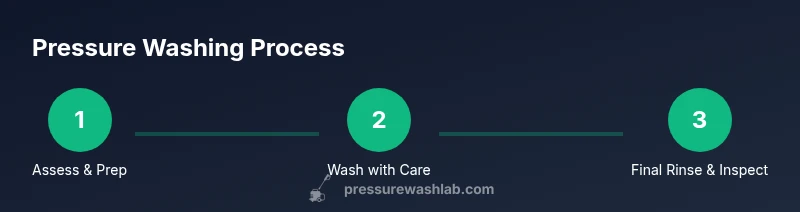
Survey the surfaces, identify materials, and determine stain types. Decide the water source, electrical safety, and whether you’ll need cleaners. Create a simple map of areas to wash in logical order.
Tip: Start with the least soiled area to build confidence and test settings. - 2
Prep the site
Clear the area, protect plants, and cover objects. Remove loose debris and ensure electrical outlets are covered. Wet-down plants with water to minimize chemical uptake if cleaners are used.
Tip: Cover nearby plants and walkways to reduce overspray. - 3
Test a small patch
Spray a hidden area with the lowest effective PSI to confirm no damage. If the surface resists cleaning or shows signs of damage, adjust technique or settings.
Tip: A quick test patch prevents costly mistakes. - 4
Apply cleaner (if using)
Apply cleaner as directed, focusing on dirty areas or organic growth. Allow proper dwell time before rinsing; never let cleaner dry on surfaces.
Tip: Dilute cleaners as recommended by the manufacturer. - 5
Rinse from top to bottom
Rinse sections from high to low while keeping the spray moving to avoid streaking. Maintain a steady distance to prevent surface damage.
Tip: Use sweeping motions and avoid stays near edges. - 6
Tackle stubborn stains
Revisit tough spots with a slightly higher nozzle angle or shorter distance, careful not to over-press on delicate areas.
Tip: Don’t linger in one spot; work in overlapping passes. - 7
Final rinse and inspection
Give a thorough final rinse to remove cleaner residues. Inspect for any missed areas or damage and re-clean as needed.
Tip: Check windows and sills for overspray after washing. - 8
Dry and protect
If possible, allow surfaces to air dry. Put away equipment, and store cleaners securely away from children and pets.
Tip: Drying reduces water spots and helps you spot remaining stains. - 9
Clean up equipment
Drain and rinse hoses, clear hoses of debris, and store in a dry place. Inspect gaskets and seals for wear before next use.
Tip: Keep the nozzle clean to prevent clogging. - 10
Evaluate need for future maintenance
Assess the surface condition and plan a maintenance schedule to keep surfaces cleaner longer. Note weather patterns that influence future washes.
Tip: Document dates and surfaces cleaned for reference.
Quick Answers
Is it safe to pressure wash siding, and which materials are at risk?
Pressure washing can be safe on many siding types when you use the right nozzle, keep a safe distance, and test a small area first. Softer surfaces like aged wood or certain composites may require gentler methods or hand cleaning. Always consult surface manufacturer guidelines if in doubt.
Pressure washing is usually safe with the right nozzle and distance, but always test a patch first on siding and follow manufacturer guidance.
Do I need special equipment or can I DIY with a standard home setup?
A standard electric or small gas pressure washer can handle many home projects, but large homes or hard surfaces may require professional equipment. Acknowledge your surface type, weather, and safety restrictions; start small and scale up if needed.
A simple home setup can work for small projects; for larger jobs, consider equipment upgrades or hiring a pro.
Can I use household cleaners or bleach with a pressure washer?
Use cleaners specifically formulated for pressure washers and follow label directions. Mixing cleaners or using household bleach without guidance can create fumes or damage surfaces. When in doubt, opt for milder cleaners and test first.
Only use pressure-washer cleaners and follow the label. Avoid mixing products unless the manufacturer confirms it’s safe.
What surfaces should I avoid or treat with extra care?
Avoid high-pressure washing on soft wood, painted surfaces with loose paint, and brick or stone that could erode. For delicate areas, use lower pressure, a wider nozzle, and a longer distance. If in doubt, consult the surface manufacturer or a professional.
Be cautious with wood and painted surfaces; use gentler settings or consult a pro if unsure.
How often should I pressure wash my home for best results?
Frequency depends on climate, exposure, and debris buildup. Generally, a maintenance wash every 1–3 years helps keep surfaces cleaner and longer-lasting. Plan around seasonal weather and expected growth of mold or mildew.
Most homes benefit from a wash every 1–3 years depending on climate and exposure.
What about wastewater and environmental concerns?
Discharge should be managed to minimize runoff into lawns, gardens, or storm drains. Use environmentally friendly cleaners when possible and follow local regulations for wastewater disposal. If you’re unsure, hire a pro who can manage containment.
Minimize runoff and use eco-friendly products when possible; check local rules or hire a pro for containment.
Key Takeaways
- Plan, prep, and test before washing.
- Use the right nozzle and maintain a safe distance.
- Protect plants and outdoor furnishings from overspray.
- Work top-down and rinse thoroughly for even results.
- Document maintenance and storage to extend equipment life.