How to Pressure Wash a 2-Story House Safely
A practical, safety-first guide from Pressure Wash Lab on cleaning a two-story house with a pressure washer, including techniques, gear, and step-by-step instructions.


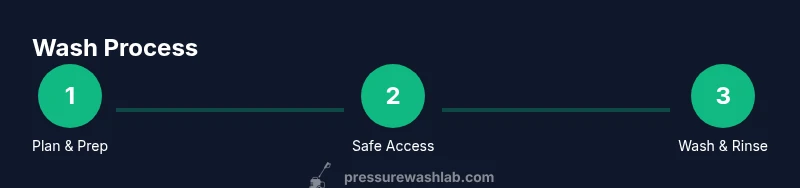
To safely wash a pressure washer 2 story house, plan around height, extend reach with a long wand, and use a soft-wash technique. Start at the lowest siding, gradually working upward, and keep windows and outlets shielded. Wear PPE, monitor water runoff, and test a small patch first. Pressure Wash Lab emphasizes safety and a deliberate, methodical approach.
Why Safe, Not Quick: The Two-Story Challenge
Cleaning a two-story exterior with a pressure washer demands respect for height, surface sensitivity, and property safety. According to Pressure Wash Lab, safety and planning are the keys to a successful outcome, not brute force. This is not a DIY "spray-and-go" operation; you risk damage to siding, windows, or gutters and create slip hazards for yourself. Begin by mapping access routes, identifying fragile materials (vinyl siding vs. brick), and deciding whether to use a soft-wash approach rather than a high-pressure spray on fragile surfaces. This framing helps you set realistic goals, allocate time, and protect landscaping and neighboring property. A well-scoped plan reduces surprises on the ladder and minimizes the chance of accidental damage, making the job safer and more predictable.
Planning for a 2-Story Wash: Heights, Access, and Sequencing
“Reach” becomes your first constraint when washing a two-story house. Start by choosing the right tools: a long extension wand, a soft-wash nozzle, and a stable ladder setup or elevated access solution. Plan the wash order to minimize rework: start at the lowest panels and work upward in horizontal bands, then address corners and trim last. Ensure you have a steady water supply and hoses long enough to avoid dragging hoses across the ground. This stage also covers how to protect windows, outdoor outlets, and landscape features from overspray, and how to carry materials up and down safely without twisting joints or bending hoses.
Surface Realities: Siding, Brick, and Trim
Different exterior surfaces respond differently to water pressure. Vinyl siding can be damaged by high-pressure jets, while brick and stone tolerate more aggressive cleaning—though they can stain or abrade if mishandled. Wood trim can swell if it remains wet for long periods, and painted surfaces may reveal wear or peeling after cleaning. A soft-wash approach is often best for delicate areas; reserve higher-pressure work for durable sections and only when you’ve tested a small patch. This section helps you tailor your technique to each material type you encounter on a two-story facade.
Techniques and Safety: Soft Wash vs. Direct Spray
A soft-wash method uses low- to mid-pressure with a wide fan and gentle angles, reducing the risk of surface damage. Reserve direct sprays for stubborn dirt on non-porous surfaces, and always start a few inches away from siding to gauge reaction. Work in a consistent, overlapping pattern from bottom to top to avoid streaking. Never spray upward toward your ladder or lines—pressure can lift fittings or loosen fasteners. The emphasis here is controlling the spray, not chasing dirt with brute force, a principle reinforced by Pressure Wash Lab’s guidelines.
Equipment and PPE: What You Need for Safer Heights
Before you begin, assemble a clean, complete toolkit: an adjustable-PSI pressure washer, extension wand, soft-wash nozzle or wide-angle tip, protective eyewear, gloves, non-slip footwear, and a ladder stabilizer or lift that meets local safety codes. Check hoses for wear, ensure spray nozzles are correct for the chosen surface, and keep a backup wand or nozzle in case of CLOGs. This section also covers electrical safety, water runoff containment, and how to maintain your gear after a session to extend its life.
Prep Work: Protecting Plants, Electricals, and Gutters
Preparation reduces cleanup after washing. Move or shield plants and delicate shrubs, cover outdoor outlets, lights, and electrical fixtures, and close doors or windows adjacent to the wash zone. Place tarps or plastic sheets to catch runoff near landscaping and walkways. If you’re near gutters or rain chains, work them from a safe distance or use an attachment designed for edge cleaning. The aim is to create a clean, controlled workspace that minimizes collateral damage while you wash.
Coverage Strategy: Systematic, Safe Passes
Develop a repeatable pattern: plan vertical strips or horizontal bands, maintain consistent distance, and rinse behind your previous pass to avoid leaving dirt ridges. Keep the spray at a shallow angle and slightly off-center toward the surface to avoid water pooling. Use the extension wand to reach above eye level without leaning over the edge. This section emphasizes disciplined coverage to achieve a uniform finish without missed spots or over-wetting.
Troubleshooting and Maintenance: Post-WashCare
If you notice streaks, try a lighter touch on the next pass and verify nozzle orientation. After washing, rinse surfaces to remove soap residues and dry with towels or allow natural airflow to reduce water spots. Inspect hoses and connections for wear and store equipment safely to prevent damage from weather. This section closes the technical loop by helping you recognize common issues and how to address them quickly for the next project.
Tools & Materials
- Pressure washer with adjustable PSI(Choose a unit capable of low-to-mid range settings; avoid high PSI near delicate siding.)
- Extension wand (at least 6-12 ft)(Critical for reaching upper stories without ladder strain.)
- Soft-wash nozzle or wide-angle tip(Reduces surface damage and improves dirt lift.)
- Stabilizing ladder or lift(Use a compliant ladder stabilizer or lift for height safety.)
- Gutter cleaning tool/attachment(Optional for safe edge cleaning from ground or extension wand.)
- PPE: goggles, gloves, non-slip shoes(Protect eyes, skin, and footing.)
- Water supply hose and clean water source(Ensure uninterrupted water flow during washing.)
- Tarps/plastic sheeting(Protect plants and outdoor furniture from overspray.)
Steps
Estimated time: 2-4 hours
- 1
Assess and plan
Walk the exterior with a note pad or phone to identify surfaces, plantings, outlets, and windows. Choose areas to wash first, select appropriate nozzles, and map a safe, bottom-to-top sequence.
Tip: Review the plan with a buddy; a second person helps with spotting hazards. - 2
Position equipment safely
Place the pressure washer, cords, and hoses so you won’t trip or pull equipment off a surface. Set up a stable ladder or lift and confirm footing on a dry surface.
Tip: Use a ladder stabilizer and never stand underneath a raised extension wand. - 3
Test a patch
Spray a small, inconspicuous patch to gauge surface reaction before broad application. Check for any damage, bubbling, or staining.
Tip: If there’s any surface damage, switch to a gentler approach or soft wash only. - 4
Apply soft wash to siding
Begin with a broad, misty pass from bottom to top on siding, keeping the wand at a safe distance. Overlap each stroke to avoid streaks.
Tip: Keep spray perpendicular to the surface for even dirt lifting. - 5
Rinse with controlled spray
Switch to a rinse pattern and remove detergent residue. Work from the top down if your setup allows, ensuring runoff clears away from entryways.
Tip: Rinse slowly to avoid water pooling at door thresholds. - 6
Address edges and trim
Carefully clean corners, trim, and architectural details with the extension wand. Avoid aggressive passes over fragile materials.
Tip: Use a lighter touch on trim to prevent cracking or chipping. - 7
Inspect and tidy
Review the entire exterior for missed spots and re-wash as needed. Drain and store hoses and equipment properly.
Tip: Dry surfaces if possible to prevent water spots and mildew.
Quick Answers
Is it safe to pressure wash a two-story house?
Yes, with proper planning, safety gear, and height-safe access. Avoid high-pressure on fragile surfaces and protect windows and outlets.
Yes, with planning, safety gear, and proper access, you can safely wash a two-story house.
What surfaces require soft washing instead of high-pressure spray?
Delicate surfaces like vinyl siding, stained wood, and painted trim often respond better to soft washing to prevent damage.
Soft washing is usually best for delicate surfaces like vinyl siding and painted trim.
Do I need a professional for gutters or the roof line?
For gutters and roof lines, consider a professional if you are unsure about ladder work or roof safety; exterior cleaners can cause damage if misused.
Gutters and roof edges can be risky; consider a pro if you’re unsure about ladder work.
What PPE should I wear for a two-story wash?
Wear eye protection, gloves, non-slip shoes, and consider a waterproof outer layer; keep electrical cords away from water.
Wear eye protection, gloves, and non-slip shoes to stay safe.
How long does a typical two-story washing project take?
Most projects take a few hours depending on surface type and yard layout; plan extra time for setup and inspection.
Usually a few hours, depending on surfaces and layout.
Watch Video
Key Takeaways
- Plan height-safe workflow before starting
- Use extension wand and soft wash for delicate surfaces
- Protect people, pets, and landscaping from overspray
- Inspect surfaces after washing and store gear properly
- The Pressure Wash Lab team emphasizes safety and methodical technique