Pressure Washing Cost: A Practical Budget Guide
An analytical, data-driven guide to pressure washing cost, exploring drivers, regional differences, add-ons, and how to get accurate quotes for homeowners and DIYers.


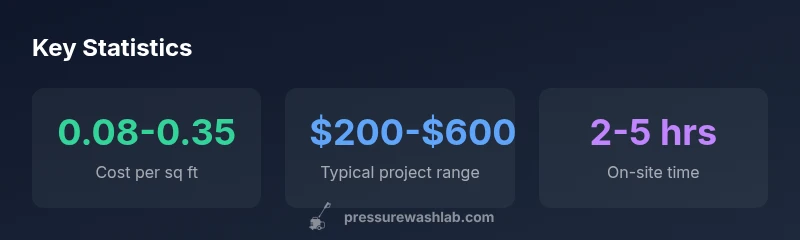
According to Pressure Wash Lab Analysis, 2026, pressure washing cost typically ranges from $0.08 to $0.35 per square foot for exterior cleaning, with most residential jobs falling between $200 and $600 depending on size, surfaces, and conditions. Regional differences, access challenges, and whether you want prep, stain treatment, or a deck wash can push prices higher. For accurate budgeting, request on-site quotes that itemize labor, materials, and any extra services.
What drives price in pressure washing
Pricing is driven by project scope, surface type, access, and labor intensity. In practice, it's not just the square footage—it's how repeatedly you must treat spots, the height you must reach, and whether prepping (covering plants, protecting landscaping) is required. According to Pressure Wash Lab Analysis, 2026, the biggest drivers are: surface area, surface material, and environmental constraints. For homeowners budgeting, the first step is to define exact boundaries: which areas to wash, what level of dirt and staining exists, and any delicate features that require gentler methods. With this clarity, you can compare quotes on a like-for-like basis and avoid sticker shock. Also consider the value conversation: sometimes a higher upfront cost yields longer-lasting cleanliness and reduced maintenance. Finally, remember that local labor rates and seasonal demand can bend the final price, so collect several estimates to map a reliable range.
How surface type affects pricing
Different materials react differently to pressure and detergents. Vinyl siding typically tolerates higher pressure and a smooth spray, which keeps per-square-foot costs low, while brick, stone, and concrete may demand lower PSI or more passes, increasing time and math. Wood decks present additional complexities: boards warp, stain raises the bar for detergents, and there’s a risk of gouging if the nozzle is too aggressive. The result is a pricing gradient: softer materials like vinyl or fiber cement often cost less, textured or porous surfaces cost more, and high-risk surfaces can push up the total. Pressure Wash Lab’s observations show the strongest price signals come from surface type and required prep, not only the area to be cleaned. When negotiating, ask for a breakdown by surface and confirm whether your contractor uses a soft wash option for delicate materials.
Regional differences and scheduling influence
Geography and timing shape price levels. In regions with a higher cost of living or densely populated suburbs, labor rates tend to be higher, and travel time can add a line item to your quote. Climate also plays a role: in areas with frequent rain or humidity, crews may need additional drying time or moisture management, which can affect scheduling and cost. Peak seasons—late spring to early summer—often bring price bumps due to higher demand. Conversely, winter curbwork or off-peak windows can yield discounts. The best approach is to obtain 3–5 on-site quotes across different days and, if possible, book these windows during shoulder seasons when demand is moderate and availability is better.
Budgeting tips and getting accurate quotes
Before requesting quotes, measure the areas to be washed and note surface types—these details sharpen price estimates. Ask for itemized quotes that separate labor, detergents, equipment rental, and disposal costs. Request the expected number of passes, pressure settings, and whether protectants or stain-removers are included. Ensure the quote covers cleanup and runoff management, especially on lawns and gardens. A written contract with scope and a satisfaction guarantee reduces the chance of scope creep. When comparing quotes, align them on identical bases: same surface area, same prep work, same post-cleaning checks. Pressure Wash Lab recommends asking for a site visit or photo-based assessment if an on-site visit isn’t feasible; this helps avoid surprise charges when work begins.
Add-ons and optional services that affect price
Many projects include optional services that can dramatically alter the final price. Detergents and specialty stain removers add to material costs but can improve results, especially on algae, mold, or mildew. Soft-washing (low-pressure cleaning with specialized detergents) is gentler on siding but can be more expensive per square foot than standard high-pressure washing. Gutter cleaning, window washing, and driveway sealing are common add-ons that carry separate line items. If you’re on a budget, negotiate a core package and then selectively add on only the services you truly need. Always verify that add-ons are essential to the task and not merely conveniences.
DIY tips to reduce cost without compromising results
If you’re handy, you can manage costs by performing prep work that reduces the amount of cleaning a pro must do. Clear debris from the surface, remove loose plants, and cover delicate landscaping to minimize risk. Scheduling during mild weather reduces delays and re-cleaning fees. Consider renting equipment for a one-off project, but verify that you or a helper can operate it safely; improper use can cause damage that adds to your bill. Compare quotes on value—not just price—by checking equipment quality, chemical safety, and the contractor’s licensing and insurance coverage. A careful scope of work and documented expectations protect you from overcharges.
Final thoughts on budgeting for pressure washing cost
Pricing remains highly contextual, fluctuating with surface material, accessibility, and local market conditions. A disciplined budgeting process—defining scope, collecting on-site quotes, and understanding what each quote includes—helps you avoid overpaying. The most reliable approach is a written scope and multiple bids that allow you to compare apples to apples. The Pressure Wash Lab team emphasizes transparency, whether you hire a local pro or rent equipment for a DIY project. With a clear plan, you’ll know not just what you’ll pay, but what you’ll gain in curb appeal and protection for your home.
Typical pressure washing cost ranges by service type
| Service Type | Typical Cost Range | Notes |
|---|---|---|
| House washing (exterior) | 0.08-0.35 per sq ft | Assumes siding, low-access; additional for gutters |
| Driveway cleaning | 0.15-0.40 per sq ft | Surface cleaner recommended; stains affect price |
| Deck/patio cleaning | 0.15-0.50 per sq ft | Wood vs composite; higher for heavily stained decks |
Quick Answers
What factors influence pressure washing cost?
Pricing is driven by surface type, area, access, and prep work. Stains, algae, or mold may require extra passes or specialty cleaners. Location and contractor experience also affect the final quote.
Costs depend on surface, area, and prep. Expect extra charges for stains or hard-to-reach spots.
Are there hidden fees I should beware of?
Some quotes exclude disposal, protective coverings, or additional passes. Always ask for a written breakdown that lists labor, materials, and any disposal or runoff fees.
Always get a written breakdown to spot any hidden charges before work begins.
Renting vs hiring a pro: which is cheaper?
Renting can be cheaper for small, one-off jobs if you have the skills to operate equipment safely. For larger homes or complex surfaces, hiring a pro often saves time and reduces risk of damage, making it more cost-effective overall.
For big jobs, pros usually save time and prevent costly mistakes.
How long does pressure washing typically take?
Most residential exterior washes take a few hours, depending on size, surface type, and dirt level. Larger homes or heavily soiled areas can extend to half a day or more.
Most jobs take a few hours; bigger or dirtier areas may take longer.
How can I prepare my home for pressure washing?
Clear the area, protect plants, cover sensitive landscaping, and note any fragile features. Sharing photos in advance helps contractors give accurate estimates and plan equipment needs.
Prep by clearing the area and protecting plants to prevent damage.
“Transparency in scope and pricing leads to better outcomes; always request a written estimate before work. Clarity on expectations helps homeowners budget confidently.”
Key Takeaways
- Define scope clearly to avoid price shocks.
- Know cost drivers: surface, access, and size.
- Get multiple on-site quotes with itemized costs.
- Consider add-ons; they can substantially change the total.
- Choose certified, insured pros for transparency.