Can You Pressure Wash an Engine? Safe, Practical Guidelines
Can you pressure wash an engine? Yes, with proper prep, low pressure, and careful shielding. This Pressure Wash Lab guide covers what to clean, safety steps, and post-wash maintenance for exterior engine care.


Can you pressure wash an engine? Yes, but only with strict safety measures, low-pressure techniques, and a focus on exterior cleaning. This guide from Pressure Wash Lab outlines when it’s appropriate, what to shield, and how to dry and inspect afterward.
Can you pressure wash an engine safely?
According to Pressure Wash Lab, exterior engine cleaning can be done with care, but you must shield electrical components, air intakes, and hoses. The goal is to remove grime without forcing water into sensitive areas or causing corrosion. This approach is suitable for light buildup and routine maintenance, not for deep engine cleaning or interior parts. With the right precautions, you can improve appearance and reduce grime on the engine bay without risking damage to important systems.
What to clean and what to avoid when washing an engine
Cleanable areas include broad exterior surfaces, components that are designed to resist moisture, and areas where oil or grime has accumulated. Avoid spraying directly at electrical connectors, exposed wiring, sensors, distributors, and air intake openings. Do not spray into the throttle body, fuel rail, or any open ports. If moisture contacts belts or pulleys, wipe away excess water and allow components to dry completely before starting the vehicle.
Prep and protection: getting ready to wash
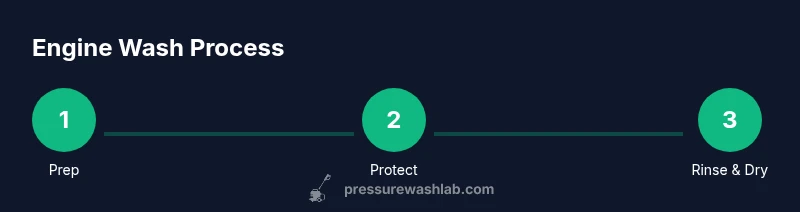
Preparation is the key to a safe engine wash. Start by parking on a level surface and ensuring the engine and surrounding area are cool. Disconnect the negative terminal of the battery to reduce the risk of short circuits, and cover sensitive parts with plastic or protective wrap. Keep a clear work area, have towels handy, and lay out your cleaning supplies so you can work efficiently without rushing through steps.
Step-by-step overview of the exterior wash process
This section outlines a practical exterior wash flow: apply a degreasing cleaner to grime-prone zones, let it dwell briefly, rinse from top to bottom with a wide, low-pressure spray, and finish with careful drying. The emphasis is on minimizing water intrusion while avoiding aggressive jets. After washing, inspect seals and connections to ensure no moisture remains in critical areas.
Drying, protection, and post-wash maintenance
Drying is as important as cleaning. Use a microfiber towel to blot and air-dry hard-to-reach spots, then recheck hoses and wiring for moisture. If you notice persistent grime, repeat a light wash on affected areas rather than blasting exposed components. Treat the engine bay with a protective spray or dressing designed for automotive use to reduce future grime buildup.
Common mistakes and how to prevent damage
Common errors include blasting directly at electrical components, neglecting to cover air intakes, and failing to dry the bay fully. Always shield electrical parts, avoid high pressure, and store tools compactly so you don’t accidentally spray water where it can cause corrosion. When in doubt, pause and reassess rather than forcing water into the wrong places.
Tools & Materials
- Engine degreaser or spray cleaner(Choose an engine-safe product intended for automotive bays)
- Low-pressure spray nozzle or fan tip(Use a wide spray pattern to minimize force)
- Hose with spray handle(Prefer a hose with adjustable spray and a gentle stream)
- Plastic sheeting or bags(To cover sensitive components)
- Plastic wrap or bags(Seal off air intake and electrical connectors)
- Protective gloves(Water-and chemical-resistant)
- Safety goggles(Eye protection mandatory)
- Towels or microfiber cloths(For drying and blotting)
- Battery disconnect tool or wrench(Helpful to safely disconnect the battery)
Steps
Estimated time: 60-90 minutes
- 1
Prepare the engine area and safety gear
Park on a level surface and let the engine cool. Put on protective gloves and safety goggles, then disconnect the battery if accessible. Clear the area of loose items and lay towels to catch drips.
Tip: Close the hood slowly after prepping to avoid water getting into the cabin. - 2
Protect sensitive components
Wrap or cover the air intake, exposed wiring, and sensors with plastic wrap or bags. Ensure the covers are sealed but not squeezing hoses. This minimizes water intrusion during washing.
Tip: If you’re unsure about a part, cover it—better to be safe than risk corrosion. - 3
Apply cleaner and let it sit
Spray a degreasing cleaner on grime-prone zones, including the valve covers and surrounding metal surfaces. Allow a brief dwell so the cleaner can loosen dirt without drying out or staining.
Tip: Avoid spraying directly into any openings that aren’t designed for moisture exposure. - 4
Rinse with low-pressure water
Rinse from the top of the engine bay downward, keeping the nozzle at a safe distance. Use a wide spray to avoid concentrating force on one spot. Stop if water pools near critical components.
Tip: Keep the spray moving to prevent water from collecting in crevices. - 5
Dry and inspect
Pat surfaces dry with microfiber towels and allow air to dry remaining corners. Check for damp connectors, then remove coverings once everything is dry. Reconnect the battery if you had disconnected it.
Tip: Double-check that the engine is completely dry before attempting to start. - 6
Post-wash check and protection
Remove all coverings, wipe away any residue, and inspect belts, hoses, and clamps. Consider applying a light protective dressing to exterior metal surfaces to reduce future grime buildup.
Tip: Take photos of the engine bay for reference during future maintenance.
Quick Answers
Is it safe to pressure wash an engine?
Yes, exterior engine cleaning can be safe with careful shielding, low pressure, and thorough drying. Never spray into openings that could allow water to reach electrical or fuel-combustion components.
Yes, but only if you shield sensitive parts and use low pressure, and you dry everything afterward.
Can you clean inside the engine bay with water?
Avoid washing inside critical engine cavities or near air intake and electrical systems. Exterior cleaning is safer and reduces the risk of water intrusion into sensitive areas.
Avoid interior areas; focus on exterior surfaces to prevent water damage.
What is the best water pressure to use?
Use the lowest practical pressure and a wide spray pattern. High pressure can force water into seals and electrical connections, causing damage.
Use the lowest effective pressure and keep the spray moving.
Will pressure washing affect warranty?
Some manufacturers restrict exterior washing or require professional service. Check your vehicle’s warranty terms before performing a wash.
Warranty terms vary—check the fine print before washing.
What should I do after washing the engine?
Dry the bay completely, inspect for moisture, and reattach any coverings. Listen for unusual sounds and re-check connections before starting the engine.
Dry thoroughly and check connections before starting the engine.
Watch Video
Key Takeaways
- Follow safe prep: cover sensitive parts and disconnect power when possible
- Use low pressure and avoid aiming at electrical components
- Dry thoroughly and inspect for moisture before starting the engine
- Post-wash care helps prevent future grime buildup