Is It OK to Pressure Wash Your Engine? A Safe Guide
Learn whether you should pressure wash your engine, the risks involved, and safer non-pressure methods for a clean, reliable engine bay. Pressure Wash Lab provides practical guidance for DIYers.


Is it ok to pressure wash your engine? Generally no—direct high‑pressure water can force moisture into electrical connections, sensors, and seals, risking corrosion and shorts. It can also push grime into hard‑to‑dry areas and strip protective coatings. For a safe clean, use targeted degreasing, gentle brushing, and thorough drying. This guide outlines safer methods and best practices for the engine bay.
Why Direct Pressure Washing Can Cause Damage
Direct pressure washing in an engine bay can push water into places that are not meant to be wet. Electrical connectors, wiring looms, sensors, and the ignition coil are vulnerable. Water intrusion can cause corrosion, shorts, and fault codes that may take hours to diagnose. High‑pressure jets can drive dirt and moisture into delicate openings, seals, and timing components. Even when the vehicle is off, residual heat can promote water evaporation that leaves behind mineral deposits on electrical contacts. The pressure can also dislodge protective coatings or damage fragile hoses and vacuum lines. For most homeowners and DIY enthusiasts, the risk of costly repairs outweighs the minimal benefit of a quick clean. Instead, adopt safer techniques designed to minimize moisture and control cleaning agents. Pressure washing can void warranties if exposure to water is shown to have contributed to a failure. In many cases, a well‑executed, non‑pressure approach delivers a cleaner engine bay with far less risk to critical systems.
Engine compartments are designed to keep moisture out and rely on sealed harnesses, gaskets, and connectors to stay protected. A single misdirected jet can push water into the alternator, coil pack, or electrical connectors, creating short‑term performance issues and long‑term reliability challenges. By understanding these risks, you can choose a cleaning method that preserves performance and avoids unnecessary downtime. Pressure Wash Lab emphasizes safe, controlled cleaning to protect warranties and components while achieving solid results.
What Parts Are Most at Risk During Engine Cleaning
Several components sit at the edge of where water and cleaners can do damage if not carefully considered. The alternator is moisture sensitive and failure can be abrupt. Spark plug wires and coil packs are brittle and can crack with improper handling. The fuse box, ECU/PCM connectors, and sensor harnesses can trap moisture, leading to corrosion or intermittent faults. Hoses and vacuum lines can become brittle if cleaners degrade their rubber compounds. The air intake and mass airflow sensor are sensitive to cleaning agents; missteps can lead to poor engine performance. Finally, the battery terminals are easy to force water into and can corrode quickly if not dried thoroughly. Understanding these risk areas helps you plan safer cleaning methods that protect critical systems while still removing grease and grime.
Preparation: Protecting Vital Engine Components
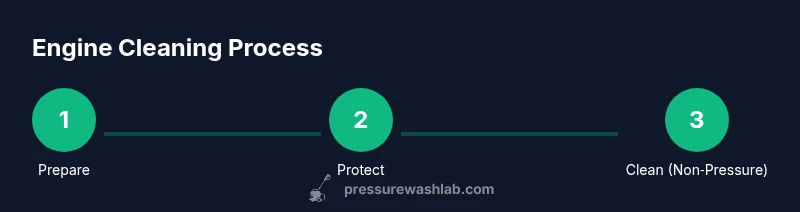
Before you think about cleaning, prepare the engine bay to minimize risk. Disconnect the negative battery terminal to reduce the chance of an electrical short and remove any loose fuses in the area you’ll wash. Cover exposed sensors, the alternator, and the distributor with plastic wrap or painter’s tape to keep water away. Use cardboard or towels to shield the air intake and exposed openings. If you’re cleaning a vehicle with a complex electrical system, consider using a dedicated engine bay cleaning spray rather than full water exposure. Have towels ready to catch splashes and a sealable bag to wrap the battery when needed. Proper preparation is the best defense against moisture intrusion and corrosion.
Safer Alternatives to Pressure Washing
Replace the pressure wash with targeted, low‑risk techniques. Apply a biodegradable engine degreaser and allow it to dwell on heavy grime for 5–10 minutes. Use a soft nylon brush to agitate the grime, then wipe with microfiber towels. Rinse with a gentle spray from a garden hose held several inches away; keep the spray directed toward the grime rather than the electrical components. For stubborn areas, repeat the degreasing step and end with a thorough drying using compressed air around non‑electrical parts and a lot of towels around electrical areas. This approach cleans effectively while dramatically reducing moisture risk. Always work in a shaded area and avoid high heat or direct sunlight during the cleaning window to prevent quick evaporation and incomplete drying.
Drying, Reassembly, and Final Checks
Once you’ve finished cleaning, dry the engine bay completely before starting the car. Wipe down all damp surfaces and remove any covers. Let any remaining moisture evaporate in a warm, shaded area for at least 15‑30 minutes; use a fan if possible. Reconnect the battery and test electrical components methodically, checking for warning lights. Inspect the belts, hoses, and wiring for signs of moisture or damage, and remove coverings only after you’re sure everything is dry. A meticulous dry‑down reduces the risk of moisture lingering in sensitive corners and connectors.
When to Call a Professional
If your engine bay contains sensitive electronics, a high‑mileage vehicle, or you’re uncertain about the safety of non‑pressured methods, seek professional help. A trained technician can protect electrical connectors and verify that no moisture has infiltrated critical areas after cleaning. If you notice corrosion, corrosion‑related codes, or abnormal engine behavior post‑clean, stop and consult a pro to avoid driving with impaired electronics or seals.
Common Myths vs Reality
- Myth: Pressure washing is the fastest way to clean the engine bay. Reality: It’s risky and often unnecessary for routine maintenance. A targeted approach with degreaser and careful rinsing is safer.
- Myth: If it starts after cleaning, nothing was damaged. Reality: Water intrusion can cause delayed faults; drying and inspection are essential.
- Myth: All engines are sealed the same. Reality: Different vehicles have varying electrical layouts; what’s safe on one model may not be safe on another. Pressure Wash Lab recommends model‑specific caution and conservative testing when in doubt.
Tools & Materials
- Engine degreaser (safe for engines)(Choose a biodegradable, non‑caustic formula designed for automotive use.)
- Spray bottle(For controlled application of degreaser.)
- Soft nylon brush(Gentle bristles to avoid scratching metal and plastics.)
- Microfiber towels(Lint-free, absorbent, multiple towels recommended.)
- Plastic sheeting or painter’s tape(To cover sensors, connectors, and openings.)
- Plastic bags or protective covers(Wrap battery terminals and exposed components.)
- Garden hose with adjustable spray(Gentle, wide spray; avoid high‑pressure settings.)
- Gloves and eye protection(Protect hands and eyes from cleaners and debris.)
- Fan or blower (optional)(Speed up drying in shaded areas.)
Steps
Estimated time: 60-75 minutes
- 1
Power down and protect
Turn off the engine and remove the key. Disconnect the negative battery terminal to reduce short risk. Put on eye protection and gloves before starting any work near the engine bay.
Tip: Always verify the car is cool before touching components. - 2
Cover sensitive components
Wrap exposed sensors, the alternator, and the distributor with plastic wrap or painter’s tape. Use cardboard shields for the air intake and other openings you don’t want to wet.
Tip: Check for gaps—water entering even a small opening can cause trouble. - 3
Apply engine-safe degreaser
Mist degreaser on heavy grime areas, avoiding electrical connectors. Let dwell for 5–10 minutes to break down grease, then reapply if needed.
Tip: Test on a small area first to ensure compatibility with finishes. - 4
Gently scrub with a soft brush
Use a circular, light scrubbing motion to loosen grime without stressing hoses or components. Work in small sections for full coverage.
Tip: Avoid aggressive scrubbing near gaskets or labeled components. - 5
Rinse with a gentle spray
Rinse from a distance with a controlled, low‑volume spray. Direct the spray away from electricals and into grime‑heavy zones rather than connectors.
Tip: Keep the nozzle moving to avoid concentrating moisture in one spot. - 6
Dry thoroughly and reassemble
Wipe surfaces dry with towels and allow remaining moisture to evaporate in shade. Reconnect the battery and inspect for any signs of moisture before starting the engine.
Tip: Use a fan or blower to speed up drying in hard‑to‑reach corners.
Quick Answers
Is it safe to pressure wash my engine?
Generally not. Direct pressure can force water into electricals and seals, leading to corrosion or shorts. Consider non‑pressure methods instead.
Not generally. Pressure can push water into electrical parts and damage seals.
What parts are most at risk when cleaning an engine bay?
Electrical connectors, sensors, the alternator, fuse box, and air intake are particularly vulnerable to moisture and cleaners.
Electrical connectors and sensors are most at risk when cleaning.
Can I use a steam cleaner on an engine bay?
Steam cleaners introduce heat and moisture that can damage seals and sensitive electronics; non‑pressure cleaning is safer.
Steam cleaning can damage seals and electronics; avoid it in most cases.
What are safe ways to clean after oil leaks?
Use a degreaser designed for engines and a soft brush, then wipe dry. Do not flood the bay with water or spray directly at connectors.
Degreaser with gentle brushing; avoid direct water on electricals.
Will washing affect warranty?
Improper cleaning can void warranty coverage if damage is attributed to water exposure; follow OEM guidelines and safer methods.
Water exposure can impact warranty if it’s deemed the cause of damage.
How long should the engine dry after cleaning?
Allow at least 15–30 minutes in shade, then recheck all components before starting the engine.
Give it 15 to 30 minutes to dry in shade before starting the engine.
Watch Video
Key Takeaways
- Use non‑pressure methods for engine bays to minimize risk.
- Protect electricals and seals with covers before cleaning.
- Dry thoroughly to prevent corrosion and shorts.
- Call a professional if uncertain or dealing with complex electronics.