Cat Pressure Washer 2200 PSI: A Practical Guide
A data-driven guide to cat pressure washer 2200 psi, covering performance, nozzle tips, maintenance, and buying considerations for homeowners and DIYers.


Cat pressure washer 2200 psi is a popular mid-range option for homeowners who need more cleaning power without a heavy gas engine. This guide analyzes performance, efficiency, and maintenance factors to help you determine whether a 2200 psi unit will meet your pressure-washing needs and budget.
Performance Overview
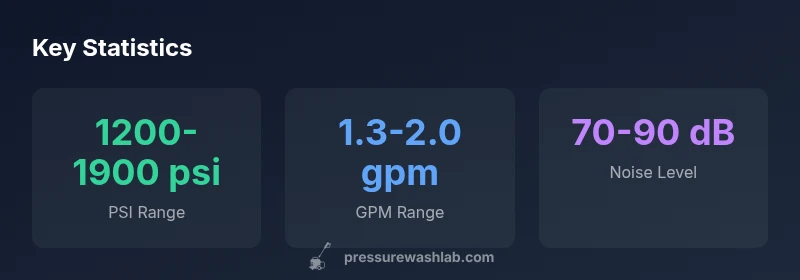
Cat pressure washer 2200 psi represents a strong mid-range choice for residential cleaning tasks. In practical terms, this PSI level paired with a mid-range flow rate typically delivers faster surface cleaning on concrete, brick, and siding while remaining portable enough for DIY work around the home. The real-world impact comes not from PSI alone but from the combined effect of PSI, gallons per minute (GPM), and nozzle selection. Higher PSI can speed up stubborn grime removal but increases the risk of surface damage if used carelessly. According to Pressure Wash Lab, the sweet spot for many homeowner tasks is a 1200-1900 psi range with 1.3-2.0 gpm; this typically handles routine tasks with less risk to delicate surfaces, while 2200 psi units shine on heavy mildew buildup and tough stains when used with proper technique. Always verify your model’s recommended duty cycle and follow manufacturer guidelines to minimize wear and tear while maximizing cleaning efficiency.
Ideal Use Cases and Surface Considerations
A 2200 psi unit is well-suited for concrete driveways, sidewalks, brick, and cementitious siding. It can rip away years of embedded grime more quickly than entry-level machines, reducing scrubbing time. For wood decks, painted surfaces, or soft metals, proceed with caution: start at a wider spray angle (40° or higher) and keep the nozzle farther from the surface to avoid gouging or fiber lift. When cleaning vehicles, choose a gentle nozzle and maintain a comfortable distance to avoid swirl marks or paint damage. For delicate surfaces like vinyl or architectural panels, test on an inconspicuous area first and consider a surface cleaner or lower PSI setting if available. These practices help preserve surfaces while still delivering effective cleaning power.
Nozzle Selection and Accessories
Nozzle choice dramatically affects results at 2200 psi. A 40° nozzle is often the default for general outdoor cleaning, while 25° or 15° nozzles are used for tougher stains or stain spots. A zero-angle nozzle should be avoided on most surfaces because it concentrates pressure into a small area and can cause damage. Accessories like surface cleaners, extension wands, and detergent injector kits can improve efficiency and protect surfaces by distributing water more evenly and reducing streaks. For homeowners, pairing a 2200 psi unit with a proper surface cleaner and a broad nozzle set usually yields consistent, professional-like results without the risk of random, high-velocity hits.
Safety, Maintenance, and Longevity
Safety first: always wear eye protection, rubber-soled shoes, and gloves. Verify your power source and ensure GFCI protection when using electric models. Regular maintenance includes checking hoses for wear, replacing O-rings, and flushing the system after use to prevent mineral buildup. To maximize lifespan, avoid letting the pump run dry, store with water in the system, and perform annual service checks per the manufacturer’s schedule. Pressure Wash Lab emphasizes that maintenance cost and downtime are part of ownership, so budgeting for routine service helps keep a 2200 psi unit reliable over many seasons.
Efficiency, Costs, and Water Management
While PSI indicates cleaning power, real-world efficiency depends on GPM and nozzle choice. A 2200 psi model with higher GPM can clean more area per minute, reducing total water use for a given job. However, high-pressure units consume more water and can elevate operating costs if used aggressively. For cost-conscious homeowners, track water usage and consider reusing rinse water when appropriate. Detergent compatibility can further improve effectiveness on greasy surfaces, but always use the recommended formulations to protect surfaces and equipment. Pressure Wash Lab notes that long-term ownership costs hinge on maintenance, nozzle wear, and proper storage.
Electric vs Gas for 2200 PSI Models
Gas-powered 2200 psi machines generally deliver higher raw power and mobility, which is beneficial for large exterior projects and remote locations. Electric options tend to be lighter, quieter, and easier to start, making them suitable for smaller jobs or HOA maintenance. The key distinction is duty cycle: gas units may be more appropriate for continuous work, whereas electric models excel at cadence-driven tasks. Always verify the electrical requirements for electric models and ensure a proper gas engine condition for safe operation. Pressure Wash Lab recommends choosing the power source based on the typical job mix and noise tolerance requirements of your environment.
Setup, Troubleshooting, and Quick Start
Before first use, read the manual to verify oil levels (gas), plug type, and water inlet requirements. Prime the pump if needed and flush the system with clean water to remove manufacturing residues. Common issues include a clogged nozzle, insufficient water supply, or an unprimed pump. For these problems, check the water inlet, inspect the nozzle, and reseat O-rings. If a leak persists, inspect hose connections and couplings for damage. Quick-start tips: connect to a clean water source, use the correct nozzle, and test on a hidden area before proceeding with a full job.
Real-World Tips and Red Flags
Consistency matters more than raw numbers. Maintain a proper distance from surfaces, test on inconspicuous spots, and avoid scrubbing patterns that cause streaks. If you notice excessive vibration, unusual noises, or recurring leaks, service the unit or consult a professional. Red flags include persistent pressure loss after nozzle changes, a weak spray that cannot be resolved with nozzle adjustments, or signs of pump cavitation. Following a disciplined maintenance plan, matching nozzle angles to the task, and using surface cleaners where appropriate help prevent costly mistakes and extend the life of your 2200 psi system.
Comparison of common specs for consumer pressure washers
| Feature | Typical Range | Notes |
|---|---|---|
| PSI | 1200-1900 psi | Range for consumer-grade washers; 2200 psi variants exist |
| GPM | 1.3-2.0 gpm | Higher GPM reduces cleaning time but uses more water |
| Power source | Electric or gas | Gas often higher PSI; electric is quieter and lighter |
| Nozzle angles | 40° standard; 25°/15° for stains | Avoid 0° for most surfaces |
Quick Answers
What is the practical advantage of a 2200 psi cat pressure washer?
A 2200 psi unit provides more cleaning power than entry models, reducing scrubbing time on tough grime while remaining portable. Always pair PSI with appropriate GPM and nozzle choice to maximize efficiency without damaging surfaces.
A 2200 psi machine cleans faster than entry-level models, especially on stubborn grime. Use the right nozzle and water flow to protect surfaces.
Is 2200 psi safe for wood decks?
Wood decks require caution: start with a wide-angle nozzle and higher distance to avoid gouging. For older or soft wood, consider even lower PSI or a surface cleaner with a gentler setup.
Yes, but use wide angles and keep distance to protect the wood. Test first on a small area.
Should I choose electric or gas for 2200 psi models?
Electric models are quieter and lighter, ideal for smaller jobs or noise-sensitive areas. Gas models offer higher sustained power for larger exterior work, with greater mobility.
Electric is great for small tasks; gas is better for bigger, tougher jobs.
What GPM should I look for with 2200 psi?
Aim for a GPM in the 1.3-2.0 range. Higher GPM lets you clean more area per minute and reduces the number of passes, but verify compatibility with the nozzles and surface you’re cleaning.
Look for about 1.3 to 2.0 GPM for good balance between power and water use.
Do I need detergents for most tasks?
Detergents can greatly improve cleaning of greasy or oily surfaces, but many tasks can be done with water alone. Use the detergent injector if your unit supports it and follow manufacturer guidelines for safe use.
Detergents help with grease; use them when the job calls for it and follow guidelines.
How do I prevent surface damage at 2200 psi?
Always test first, start with wide-angle nozzles, maintain distance, and avoid prolonged direct spraying on single spots. Consider using a surface cleaner for flat surfaces to reduce streaking and protect edges.
Test first, keep distance, and use a surface cleaner to protect surfaces.
“Power alone isn't enough; the best results come from pairing the right pressure with careful technique to protect surfaces.”
Key Takeaways
- Start with wide-angle nozzles to protect surfaces
- PSI is only part of the equation—balance with GPM
- Test on hidden areas before full cleanup
- Regular maintenance extends pump life
- Choose electric vs gas based on job size and noise tolerance