How to Clean a Pressure Washer Carburetor
Learn safe, practical steps to clean a pressure washer carburetor. This guide covers tools, step-by-step actions, tips, and maintenance to keep your gas-powered unit running smoothly.


Within this guide you’ll learn how to clean a pressure washer carburetor safely and effectively. You’ll perform a careful diagnostic, disassemble with caution, clean all fuel passages, inspect gaskets, and reassemble with fresh parts if needed. You’ll need basic safety gear, a clean workspace, common tools, and a plan to test with fresh fuel after reassembly.
Why a clean pressure washer carburetor matters
A clean pressure washer carburetor is essential for reliable starting, smooth idle, and consistent power output. When varnish, gum, or debris clog fuel passages, the engine can stumble, hesitate, or stall under load. Cleaning the carburetor restores proper fuel and air mixing, reduces starting problems, and helps maintain fuel efficiency. According to Pressure Wash Lab, regular carburetor maintenance is a cornerstone of durable outdoor power equipment. In gas-powered units, fuel can varnish quickly if stored with stale gasoline, so periodic cleaning is a smart habit, not a luxury. This article explains why carburetor cleanliness matters, what to check, and how to clean safely without damaging seals or gaskets. We’ll cover common designs found in consumer pressure washers and provide practical methods that work across brands while avoiding risky DIY mistakes.
Safety first: before you begin
Safety is non-negotiable when working on engines and fuel systems. Always work in a well-ventilated area away from ignition sources, and keep a fire extinguisher nearby. Disconnect the spark plug wire or battery if applicable before starting work to prevent accidental cranking. Wear eye protection and chemical-resistant gloves, and use a clean, labeled container for any drained fuel. Work on a stable surface and keep track of tiny screws and springs—carburetor components are small and easy to lose. Pressure Wash Lab Team emphasizes patience and methodical steps to avoid damaging the delicate passages inside the carburetor. If you’re unsure about disassembly, consult the service manual for your model and consider professional servicing for older units with warped components or degraded gaskets.
Symptoms that point to a dirty carburetor
Hesitation, hard starting, and frequent stalling under load are common signs of carburetor trouble. You may notice poor acceleration, irregular idle, or black smoke from the exhaust when gas reaches the engine. A clogged high-speed jet or a sticky float needle can disrupt fuel flow, while a gummed-up idle jet causes rough idle or RPM fluctuation. If you’ve recently stored fuel for an extended period, varnish can form in tiny passages, especially in ethanol blends. Observing these symptoms is a cue to inspect the carburetor, not to replace the entire fuel system prematurely. Safe troubleshooting starts with a visual inspection, followed by careful cleaning of accessible passages and components.
How the carburetor fits into the engine's fuel system
The carburetor’s job is to meter fuel and mix it with air to create a combustible charge for the engine. It relies on precise tolerances in jets, passages, and the float/needle valve to regulate fuel flow at different engine speeds. When any passage gets blocked or the gasket seals fail, fuel can flood or starve the engine. A clean carburetor helps the engine start easily, idle smoothly, and respond predictably to throttle inputs. Understanding this role helps you target the right areas during disassembly and cleaning, reducing trial-and-error and protecting other fuel-system components from unnecessary wear.
A quick look at tools and workflow (overview)
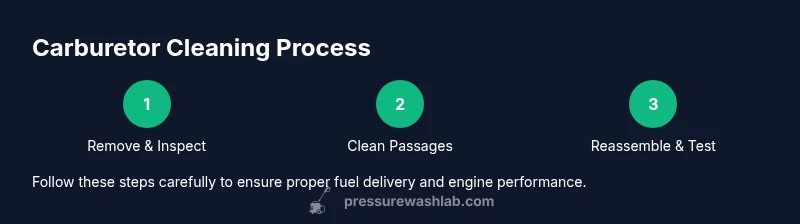
Before you start, you’ll run through a diagnostic checklist and prepare a clean workspace. You’ll remove the carburetor from the engine, inspect external components for damage or wear, and document any parts that look degraded. The cleaning process focuses on removing varnish and gum from jets, passages, and the throttle linkages. After cleaning and reassembling, you’ll reattach the carburetor, fill with fresh fuel, and test the unit at idle and under load. A slow, careful approach minimizes risk to gaskets and seals and makes it easier to identify follow-up adjustments.
How to maintain after cleaning for longevity
Post-cleaning maintenance matters as much as the cleaning itself. Use fresh, ethanol-free or stabilized gasoline if possible to minimize varnish buildup. Run the engine briefly after cleaning to ensure the fuel system does not leak or flood. Check gaskets for signs of cracking and replace as needed. A simple, regular maintenance plan—inspection every 6–12 months or after long storage—can prevent recurring issues and extend the life of your pressure washer.
AUTHORITY SOURCES
For additional guidance, refer to reputable sources on small-engine maintenance and fuel safety:
- https://www.epa.gov
- https://www.osha.gov
- https://extension.oregonstate.edu
These sources provide general safety and maintenance principles that support DIY carburetor work but do not replace the specific service manual for your model.
What to monitor after cleaning
After reassembly and testing, monitor for smooth idle and stable operation at wide-open throttle. If the engine stalls or misfires under load, recheck the jets and gaskets, ensuring there are no leftover varnish residues or loose fittings. Keep an eye on fuel line condition and hose clamps, as leaks can introduce air into the intake and degrade performance. Regular checks prevent small issues from becoming bigger repairs.
Tools & Materials
- Safety glasses(Impact-resistant ANSI Z87.1 rated)
- Nitrile gloves(Chemical resistant to gasoline and cleaners)
- Screwdriver set (Phillips and flat-head)(Magnetic tips help with small screws)
- Wrench set(Small metric set for carburetor bolts)
- Carburetor cleaner spray (non-chlorinated)(Safe solvent that won’t corrode metal)
- Small nylon brushes and pipe cleaners(Clean jets and passages without scratching)
- Compressed air can or air compressor(Blow out passages after cleaning)
- Fuel-safe drainage container(Contain old fuel during draining)
- Rags/paper towels(Keep surfaces clean and dry)
- Fresh, clean fuel(Avoid stale gasoline)
- Gasket kit or replacement parts(Only if gaskets show wear)
- Owner’s manual or service manual for model(Model-specific torque and screws)
Steps
Estimated time: 60-90 minutes
- 1
Prepare the workspace and safety gear
Set up a clean, well-ventilated work area. Put on safety glasses and gloves, and gather all tools. This reduces the risk of fuel spills and keeps small parts from getting lost.
Tip: Keep a labeled tray for screws to avoid misplacement. - 2
Drain fuel and disconnect power
Move the unit to a safe area. Disconnect the spark plug wire or battery to prevent accidental cranking. Drain any old fuel into a labeled container before removing the carburetor.
Tip: Use a funnel with a filter to minimize spills and capture debris. - 3
Remove carburetor from engine
Carefully loosen mounting bolts and detach fuel lines. Note the orientation of linkages and gaskets to ensure correct reinstallation.
Tip: Take photos during removal to reference during reassembly. - 4
Inspect external condition
Check for cracks, warped surfaces, or damaged gaskets. Replace worn components before cleaning to prevent leaks.
Tip: If gaskets look compromised, replace them rather than reusing old ones. - 5
Disassemble and inspect internal passages
Carefully separate the body to access jets and passages. Inspect the main jets, idle jet, and float needle for varnish and gum.
Tip: Use a small screwdriver and needle to unstick any stuck components without forcing them. - 6
Clean passages and jets
Soak removable parts in carburetor cleaner and scrub with nylon brushes. Blow out passages with compressed air where safe, ensuring no solvents remain in the fuel passages.
Tip: Avoid metal picks that can gouge or enlarge orifices. - 7
Reassemble with care
Reinstall internal components, replace gaskets as needed, and reattach the carburetor to the engine. Ensure all screws are snug but not overtightened.
Tip: Use a torque pattern recommended in the manual to avoid warping parts. - 8
Test and tune
Reconnect fuel supply, start the engine, and observe idle quality. If needed, make small adjustments to idle and mixture screws per model guidelines.
Tip: Start with the idle screw half a turn out and adjust in small increments.
Quick Answers
Can I clean a pressure washer carburetor without removing it?
In some cases you can clean external surfaces and accessible passages without full removal, but many symptoms require removal to access internal jets. Always consult your model’s service manual before attempting non-removal methods.
Usually you need to remove the carburetor to access the jets and passages for a thorough cleaning.
What signs indicate a clogged carburetor?
Hesitation, hard starting, rough idle, and loss of power under load are common signs. If you experience fuel leaks or idle instability, inspect gaskets and passages for blockage or wear.
Look for hesitation, misfires, or idle roughness to suspect a clogged carburetor.
Should I replace gaskets during cleaning?
Replace gaskets if they show cracking, hardening, or deformation. Reusing old gaskets can lead to leaks and lost performance.
If a gasket looks worn, replacing it is wise.
Is it safe to run the engine while cleaning?
Do not run while disassembly is in progress. Only run the engine after reassembly and with the fuel system sealed to prevent leaks and fire risk.
Only test after everything is reassembled and secured.
How often should I clean the carburetor?
Frequency depends on usage and fuel quality. Check the carburetor during seasonal storage or after long idle periods, and clean if you notice performance issues.
Check it during storage or if you notice starting issues.
What if cleaning doesn’t fix the issue?
If issues persist after cleaning, inspect fuel lines, the unloader valve (if present), and the fuel filter for blockages. Consider professional service for aging units.
If it still misbehaves, seek professional help.
Watch Video
Key Takeaways
- Start with safety and a clean workspace.
- Disassembly must be careful to preserve gaskets.
- Clean jets and passages thoroughly for best results.
- Reassemble and test with fresh fuel to confirm fixes.