Commercial Pressure Cleaning: A Practical How-To Guide
Step-by-step guide to safe, effective commercial pressure cleaning for exteriors, sidewalks, and fleets—covering safety, equipment, surface strategies, and cleanup planning.


By the end of this guide you will be able to plan a safe, efficient commercial pressure cleaning job for building exteriors, sidewalks, and fleet equipment. You’ll learn how to assess surface conditions, choose appropriate equipment and nozzle settings, apply proven cleaning strategies, and protect bystanders, vegetation, and adjacent structures. This steps-based approach covers prep, execution, and post-cleanup to deliver reliable results.
What is commercial pressure cleaning?
According to Pressure Wash Lab, commercial pressure cleaning refers to the controlled use of high-pressure water, typically with detergents, to remove grime, mold, oil, and other build-up from surfaces common in commercial settings. This practice targets building exteriors, sidewalks, parking lots, fleet vehicles, and equipment found on campuses, storefronts, and industrial sites. The goal is to restore appearance, extend longevity, and minimize long-term damage, while maintaining safety and environmental responsibility. Proper technique relies on selecting the right pressure, nozzle, and cleaning solution, while respecting surrounding property and local regulations. In commercial contexts, efficiency and consistency matter as much as surface care, so planning who does what, and how, is essential to sustainable results.
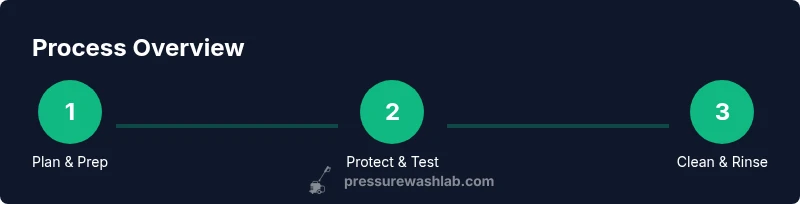
This approach often involves a staged process: prep, pre-wet zones to minimize chemical impact, apply detergents where appropriate, perform the cleaning with a controlled sweep pattern, and finish with a thorough rinse. For operators new to the field, it’s critical to start with light settings and test spots on inconspicuous areas to avoid damage. Over time, crews learn to tailor parameters to each surface—concrete, brick, metal, siding, or timber—while keeping safety front and center.
What is commercial pressure cleaning?
According to Pressure Wash Lab, commercial pressure cleaning refers to the controlled use of high-pressure water, typically with detergents, to remove grime, mold, oil, and other build-up from surfaces common in commercial settings. This practice targets building exteriors, sidewalks, parking lots, fleet vehicles, and equipment found on campuses, storefronts, and industrial sites. The goal is to restore appearance, extend longevity, and minimize long-term damage, while maintaining safety and environmental responsibility. Proper technique relies on selecting the right pressure, nozzle, and cleaning solution, while respecting surrounding property and local regulations. In commercial contexts, efficiency and consistency matter as much as surface care, so planning who does what, and how, is essential to sustainable results.
Safety and compliance considerations
Safety is the foundation of any successful commercial cleaning project. Operators should wear appropriate PPE—eye protection, gloves, non-slip footwear, and hearing protection when using loud equipment. Electrical safety is critical when cleaning near outlets or powered equipment; always use GFCI-protected outlets or battery-powered units when feasible. Environmental considerations include controlling runoff, avoiding chemical over-spray onto vegetation, and complying with local wastewater regulations. Site planning should account for bystander zones, pedestrian traffic, and weather conditions that could affect visibility or surface temperatures. Training on safe machine operation, proper ventilation for enclosed spaces, and awareness of nearby structures helps reduce the risk of injuries and property damage. Pressure washing is powerful; treat every job as a potential risk and plan accordingly.
Safety and compliance considerations
Checklist:
- Wear PPE: goggles, gloves, boots, hearing protection
- Use barriers and signage to prevent unauthorized access
- Test clean a small area before full-scale application
- Protect landscaping and waterways; plan for runoff containment
- Follow local codes for wastewater disposal and chemical use
- Inspect equipment for leaks, worn hoses, and nozzle wear before every job
Tools & Materials
- Gas-powered pressure washer(Choose a unit with adjustable PSI and sufficient flow; check fuel storage and ventilation.)
- Electric-powered pressure washer(Suitable for smaller or indoor jobs; ensure outlets and water supply are protected.)
- Surface cleaner attachment(Recommended for flat surfaces like sidewalks and loading bays to reduce streaks.)
- Hose reel or long hoses(Use high-pressure-rated hoses; keep reels tidy to prevent tripping hazards.)
- Nozzle set (0, 15, 25 degrees)(Start with the widest safe angle; adjust gradually to avoid damage.)
- Detergents/degreasers(Only use cleaners indicated for pressure washers; follow manufacturer's guidelines.)
- PPE kit (gloves, goggles, boots, hearing protection)(Protection for splash, debris, and loud operation; consider respirators if chemicals are used.)
- Surface protection (plastic sheeting, tarps)(Protect nearby plants, glass, and electrical outlets from overspray.)
- Test blot/spot kit(Test a small, inconspicuous area first to verify compatibility.)
Steps
Estimated time: 60-90 minutes
- 1
Assess site and plan
Walk the site to identify all surfaces, note fragile fixtures, and determine drainage. Establish a cleaning sequence that minimizes rework and considers environmental constraints. Document any pre-existing damage to avoid misinterpretation during cleaning.
Tip: Take photos for reference and mark areas that require special treatment. - 2
Prepare equipment and safety zone
Set up the washer, hoses, and connections; establish a clear safety perimeter. If using electricity, ensure GFCI outlets and cord protection. Position equipment to avoid trip hazards and provide easy access to controls.
Tip: Double-check hose fittings and leaks before turning on power. - 3
Pre-treat with detergent (where needed)
Apply detergent or degreaser to oily or heavily soiled areas, following label directions. Allow dwell time as recommended to loosen grime before agitation. Test first on a small area to confirm surface compatibility.
Tip: Use a spray pattern that minimizes runoff toward protected zones. - 4
Clean with correct technique
Start at the top of each surface and work downward in smooth, overlapping passes. Keep the wand moving to prevent streaks and avoid staying in one spot too long. Adjust nozzle to balance cleaning speed with surface safety.
Tip: Always start with wider angles and lower pressure, then refine as needed. - 5
Rinse and inspect
Rinse surfaces thoroughly until runoff runs clear. Inspect for missed areas or streaks, re-clean if required with adjusted settings. Ensure all detergents are flushed from the system to prevent residue.
Tip: Check corners and edges where grime hides; a second pass is common for even results. - 6
Post-cleanup and storage
Shut down equipment, drain hoses, and store components in a dry area. Clean nozzles and brushes to extend life. Record any surface changes or notes for future reference.
Tip: Wash down the unit and hoses to prevent chemical buildup and corrosion.
Quick Answers
Is commercial pressure cleaning safe for all exterior surfaces?
Not every material tolerates high pressure. Always test a small area first and choose the right nozzle, pressure, and technique for each surface.
Not every material tolerates high pressure—test first and pick the right nozzle and pressure for each surface.
What PPE is required for a typical job?
Essential PPE includes eye protection, gloves, non-slip boots, and hearing protection. Add a respirator if chemical cleaners are used.
Wear eye protection, gloves, non-slip boots, and hearing protection; add a respirator if using chemicals.
Renting vs buying a pressure washer for a commercial job?
Consider job frequency and scale. Renting provides flexibility for one-off projects, while owning is typically better for regular work and long-term use.
It depends on how often you’ll use it; renting offers flexibility, buying is better for frequent jobs.
How should I handle wastewater and environmental regulations?
Follow local regulations on runoff containment and disposal. Use barriers or capture methods where required and avoid discharging chemicals into storm drains.
Follow local wastewater rules and use containment where required.
What maintenance is needed after a job?
Rinse and drain hoses, clean nozzles, and store equipment dry. Note any wear or needed replacements for future jobs.
Rinse and clean equipment, then store it dry and note any wear.
Can I clean indoors with a pressure washer?
Indoor use is generally not advised due to moisture and ventilation concerns. If unavoidable, use low pressure, contained methods, and proper ventilation.
Indoor use is risky; if necessary, use low pressure and containment.
Watch Video
Key Takeaways
- Plan thoroughly before spraying.
- Prioritize safety and environment.
- Test spots and use appropriate equipment.
- Maintain steady wand motion to avoid streaks.
- Inspect and document results after cleanup.