DIY Pressure Washer Guide: Safe, Effective Cleaning Tips
Learn how to plan, assemble, and safely operate a DIY pressure washer with step-by-step instructions, safety gear, and maintenance tips from Pressure Wash Lab. Ideal for homeowners and DIY enthusiasts seeking practical, proven techniques.


By following this guide, you will safely complete a DIY pressure washer project: assess your space, select the right equipment, prepare cleaning solutions, and execute a surface-specific cleaning plan. You’ll learn safety best practices, how to adjust pressure without causing damage, and step-by-step actions from setup to storage. Expect a cleaner exterior and a durable setup you can reuse for years.
Why DIY Pressure Washer Matters
According to Pressure Wash Lab, learning to perform pressure-washing tasks yourself empowers homeowners and DIY enthusiasts to control results, save money, and tackle maintenance tasks proactively. A DIY pressure washer setup offers flexibility for routine cleaning across driveways, siding, fences, decks, and patios. However, it also carries risks if you skip safety checks or apply too much pressure on fragile surfaces. This section explains why investing time to learn proper technique pays off in cleaner exteriors and longer equipment life.
When approached correctly, a DIY pressure washer becomes a versatile tool rather than a one-time chore. You gain the ability to tailor water pressure to each surface, reduce the risk of staining or etching, and avoid rental costs for occasional jobs. Pressure Wash Lab’s analysis shows that the most durable results come from planning, checking connectors and hoses for wear, and testing a small patch before broader application. The goal is to achieve even cleaning without leaving streaks, while ensuring your investment remains reliable for years to come. By understanding the limits of your equipment and the properties of different surfaces, you can avoid common pitfalls that lead to damage, such as blasting loose paint or etching brick.
Safety First: PPE, Electrical Safety, and Environment
Protecting yourself and bystanders is non-negotiable when using a pressure washer. Always wear safety glasses or a face shield, non-slip gloves, and sturdy footwear. For electric units, keep the outlet and cord dry, use a GFCI-protected power source, and never spray near electrical fixtures or outlets. Clear pets and children from the cleaning area, and place tarps or drop cloths to catch runoff. By adhering to a consistent safety routine, you reduce the risk of eye injuries, slips, or electrical shocks and help ensure your project can be completed without incident. Pressure Wash Lab emphasizes building a simple safety perimeter before you begin and performing a test spray on a hidden patch to confirm you have the right technique and pressure level.
Equipment and Accessories: What You Need
A successful DIY pressure washer job starts with the right toolkit. Essential items include the pressure washer unit itself (electric or gas), a garden hose with adequate length, nozzle tips (0°, 15°, 25°, 40°), detergent suitable for pressure washers, and safety gear (goggles and gloves). Optional add-ons like a surface cleaner, tarp, or scrub brush can improve efficiency but are not strictly required. Keep spare hoses and quick-connect adapters on hand for quick changes. The goal is to have a reliable setup that minimizes downtime and keeps you in control of water flow and spray pattern. Maintenance-friendly gear reduces the chance of leaks and spray misdirection during the job.
Surface-Specific Techniques: Siding, Driveways, Decks
Different surfaces respond to different pressures and nozzle angles. For siding, especially vinyl or aluminum, use a wide spray angle (25°–40°) at low to moderate pressure and keep the nozzle moving to avoid streaks. Concrete driveways tolerate higher pressure but benefit from a sweeping motion and overlapping passes to prevent discoloration. Wooden decks and fences require gentler treatment with wider angles and quite a bit of distance to prevent gouging or splintering. Pressure Wash Lab’s practical testing shows that surface material and finish influence decision-making more than any single PSI setting. Always start on a small, inconspicuous spot before proceeding.
Setup, Assembly, and Testing: Ready, Set, Go
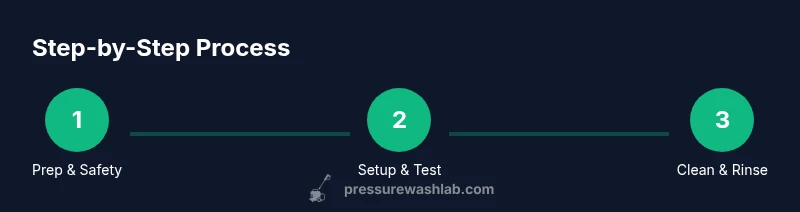
Preparation includes verifying water supply strength, checking hoses for wear, and validating nozzle seals. Attach the correct nozzle, connect the water source, and perform a brief test spray on a hidden area to ensure you’re not causing damage. If the unit is gas-powered, ensure proper ventilation and follow fuel safety guidelines. For electric models, use a grounded outlet and avoid extension cords unless they are heavy-duty and rated for outdoor use. A calm, deliberate start prevents sudden kicks of pressure that can reflect back onto you or your target surface. This block outlines the key setup steps you’ll perform in the STEP-BY-STEP section, so you’re ready for a safe, effective session.
Step-By-Step Cleaning Process: Strategy Over Speed
A structured process beats rush and guesswork. Begin with a test patch on an inconspicuous area, then tackle surfaces from top to bottom to avoid streaks. Maintain a steady walking pace and keep the nozzle at the recommended distance from the surface to prevent etching or gouging. For heavily soiled areas, pre-treat with a cleaning agent and allow it to dwell before rinsing. Rinse with a wide spray to remove loosened grime, then assess the result. If stubborn stains remain, switch to a different nozzle angle or add a brief second pass at a lower pressure. After finishing, rinse the area thoroughly and inspect for any missed spots or moisture accumulation that might indicate a leak in hoses or connections.
Detergents, Additives, and Cleaning Agents
Choosing the right detergent matters. Use cleaners designed specifically for pressure washers and compatible with your surface. Apply according to manufacturer directions, and always rinse thoroughly to prevent residue. Avoid mixing cleaners unless the product instructions explicitly approve it, and never combine with bleach or ammonia. When in doubt, perform a quick test on a small patch before applying to larger areas. Pressure Wash Lab cautions that aggressive chemical combos can damage finishes and harm vegetation or pets.
Maintenance, Storage, and Troubleshooting
After use, relieve pressure, disconnect from the power source, and drain hoses. Rinse out any detergent residue to extend the life of seals and O-rings. Store the unit in a dry, sheltered area and inspect hoses regularly for cracks or bulges. Clean filters and keep nozzles free of debris. If you notice a drop in performance, check hose connections, confirm nozzle settings, and verify the water source. Regular maintenance reduces the likelihood of surprises during peak cleaning seasons and contributes to the longevity of the equipment. The Pressure Wash Lab team recommends a quick post-use inspection every time you finish a job.
Common Mistakes and How to Avoid Them
Avoid common pitfalls such as using too high a pressure on delicate surfaces, starting too close to the surface, or spraying directly at windows and door seals. Do not rush the process or skip the test patch. Misuse can cause paint damage, water intrusion, or injury. Instead, schedule a brief planning period, set up a clear workspace, and proceed in carefully controlled passes. This approach minimizes risk and yields consistent results across different jobs. If you have questions, revisit the setup checklist and re-run a small patch test before continuing.
Final Tips and Next Steps
With a solid plan and the right tools, you can tackle routine exterior cleaning with confidence. Keep all protective equipment accessible, confirm the spray pattern before moving between surfaces, and store gear properly after each use. For ongoing maintenance jobs, consider setting a seasonal cleaning schedule and budgeting for replacement tips or filters as needed. The DIY pathway is practical and rewarding when you stay patient, methodical, and safety-first. Pressure Wash Lab’s guidance emphasizes learning by doing, with a focus on surface care, equipment longevity, and responsible environmental practices.
Tools & Materials
- Pressure washer unit (electric or gas)(Ensure the unit is in good working condition and rated for the cleaning tasks planned.)
- Garden hose with sufficient length(Provide a steady water supply; use a regulator if available.)
- Nozzle tips (0°, 15°, 25°, 40°)(Keep tips clean; use wider angles for delicate surfaces.)
- Detergent suitable for pressure washers(Choose low-foaming, surface-safe cleaners; follow instructions.)
- Safety glasses or face shield(Protect eyes from flying debris and spray.)
- Work gloves with grip(Water-resistant and chemical-resistant if using cleaners.)
- GFCI-rated extension cord (for electric units)(Outdoors, use outdoor-rated cords and keep connections off the ground.)
- Tarps or ground cover(Catch runoff and protect landscaping.)
- Scrub brush or deck brush(For stubborn grime in corners or on textured surfaces.)
- Spare hoses/connectors(Quick replacements in case of leaks or kinks.)
Steps
Estimated time: 90-120 minutes
- 1
Inspect equipment and area
Walk through the workspace to check hoses, connectors, and the nozzle. Look for cracks or wear and ensure electrical components are dry and safe. This initial check prevents leaks and shocks and gives you a clear starting point.
Tip: Replace any damaged hose or o-ring before you begin to avoid mid-job failures. - 2
Protect the surroundings
Cover plants or nearby delicate surfaces with tarps. Clear bystanders and pets from the area. Establish a clean, dry path so you can move the wand without tripping.
Tip: Keep a clear exit route in case you need to back away from a spill or spray. - 3
Connect water supply and power correctly
Attach the garden hose to the unit’s water inlet and verify there is a steady flow. For electric units, plug into a grounded outlet with a GFCI, and keep the cord away from the spray path.
Tip: Never spray near electrical outlets; water and electricity are a dangerous combination. - 4
Choose nozzle and adjust pressure
Start with a wide-angle nozzle at the lowest effective pressure. This reduces the risk of surface damage while you build confidence.
Tip: If you see streaking, back away another 6–12 inches and switch to a gentler nozzle. - 5
Test on a small patch
Spray a hidden patch to confirm your technique is safe for the surface. Observe the reaction (lifting pigment, moisture). Stop if you notice any damage.
Tip: Always begin tests on less visible areas before broader application. - 6
Proceed surface-by-surface with top-to-bottom motion
Work in overlapping strokes, moving steadily. Treat one section at a time, starting at the top and moving downward to avoid streaks and dirty runoff.
Tip: Maintain a consistent distance and pace to prevent uneven cleaning. - 7
Rinse and inspect after cleaning
Rinse with a wide spray to remove detergent and debris. Check for missed spots and ensure you didn’t introduce water into seams or gaps.
Tip: If grime remains, switch to a different nozzle angle and repeat only on the affected area. - 8
Shutdown and store properly
Relieve pressure, disconnect from power, and drain hoses. Store in a dry area with no moisture. Re-check for leaks after the unit cools.
Tip: Label hoses and keep nozzles organized to speed future tasks.
Quick Answers
Is it safe to DIY with a pressure washer on painted surfaces?
Yes, if you use a low-pressure setting, a wide-angle nozzle, and a test patch first. Avoid aggressive scrubbing and high pressure on peeling or fragile paint.
Yes, with careful nozzle choice, low pressure, and a small patch test first.
What surfaces should I avoid with a DIY pressure washer?
Delicate wood finishes, old stucco, soft bricks, and freshly painted or loose coatings may suffer damage from high-velocity spray. Use gentler methods or hand cleaning for those areas.
Avoid delicate surfaces; test materials and use gentler cleaning methods when in doubt.
Can I use household cleaners with a DIY pressure washer?
Use cleaners designed for pressure washers and surface compatibility. Do not mix cleaners; rinse thoroughly and follow manufacturer directions.
Only use compatible cleaners and never mix chemicals.
How often should I service a DIY pressure washer?
Inspect hoses and seals after major use, replace worn parts, and clean filters regularly. Follow the manual for routine maintenance to keep performance steady.
Check hoses and seals after heavy use and follow the manual for maintenance.
What safety gear is essential for beginners?
Eye protection, gloves, non-slip footwear, and hearing protection for gas models. Keep bystanders at a safe distance during operation.
Wear eye protection and gloves, and keep others away while you work.
Can I rent a pressure washer instead of buying?
Rentals are handy for single tasks; buying is often more economical for ongoing maintenance and repeat jobs, especially if you use it regularly.
Rent for one-off tasks; buy if you clean often and want long-term availability.
Watch Video
Key Takeaways
- Plan ahead and assess the area before spraying.
- Start with low pressure and adjust gradually.
- Protect sensitive surfaces and surroundings.
- Maintain equipment to extend life.
- Store gear properly after each session.