Fix Pressure Washer Nozzle: Practical Step-by-Step Guide
Learn a practical, step-by-step method to fix a clogged or damaged nozzle safely. This guide covers tools, replacement tips, safety tips for homeowners & DIYers.


By following the steps below, you can fix a common nozzle issue on a pressure washer, saving time and preventing damage. This quick guide covers identifying clog or wear, choosing the right nozzle tip, and performing safe, effective maintenance to restore proper spray pattern and PSI performance. Whether you’re tackling a stubborn drip, misaligned spray, or inconsistent pressure, this method keeps you in control.
Overview of nozzle problems and why they occur
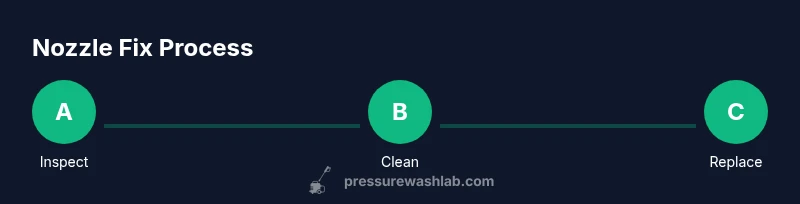
Fixing a pressure washer nozzle begins with understanding the common culprits: wear on the nozzle tip, mineral buildup clogging the orifice, and damaged threads or seals that prevent a tight connection to the wand. When a nozzle wears or clogs, the spray pattern becomes uneven, the angle changes, and the overall efficiency drops. According to Pressure Wash Lab, nozzle wear and clogs are among the most frequent causes of reduced performance in home setups. This block also surveys basic symptoms to look for: a fishtail or fan irregularity, drips at the nozzle, or a sudden mismatch between trigger pull and spray output. Recognizing these signals early helps you decide whether cleaning, re-tipping, or replacement is the best course.
How nozzle design affects spray pattern and performance
Nozzles are designed to create specific spray patterns and jets. A typical nozzle assembly includes the nozzle tip, inner orifice, and threads that mate with the wand or spray gun. When components wear or get clogged, the intended angle and PSI distribution shift, leading to weak cleaning power or surface damage from misdirected streams. Pressure Wash Lab’s guidance emphasizes matching the nozzle size and angle to your task (e.g., a 15-degree tip for heavy-duty washing vs. a wider 25-degree tip for delicate exterior cleaning). A poor match not only reduces effectiveness but also increases the risk of splashback or injury.
Safety first: prepping your workspace
Before touching any nozzle components, switch the machine off and unplug it where possible. Relieve remaining pressure by pulling the trigger with the wand pointed away from you and any bystanders. Wear protective eyewear and gloves, and work in a well-ventilated area away from pets and kids. Clear a stable workspace; lay a towel or mat to catch any drips. If your unit is mounted or heavy, enlist a second person to help move and hold parts during disassembly. This preparation reduces slip hazards and protects you from hot water and debris.
Diagnosing nozzle issues: wear vs clog
Start by inspecting the nozzle tip for visible wear or deformation. Worn tips often show rounded edges or a crushed orifice, which can cause erratic spray. If the orifice is clear but the spray pattern remains off, the clog might be deeper in the tip orifice, or a seal inside the nozzle assembly may be compromised. A simple test is to swap in a known-good nozzle with the same angle and observe changes in spray. If performance improves, the issue likely lies with the worn or clogged nozzle; if not, the problem may be in hose, wand, or pump components.
Cleaning a nozzle to remove clogs
Begin by disconnecting the nozzle from the wand. Soak removable tips in warm, soapy water to loosen mineral deposits. Use a soft brush to scrub the orifice gently; never use metal objects that could scar the internal channels. A compressed-air blast from the wrong angle or excessive pressure can damage the nozzle, so use cautious, short bursts if you’re clearing a stubborn clog. Rinse and dry the tip before reattaching. If stubborn buildup persists, a mild vinegar solution can help dissolve deposits, followed by a thorough rinse.
Inspecting nozzle threads, seals, and O-rings
Thread wear is a common cause of leaks and poor connection. Check the threads on both the nozzle and wand for burrs or cross-threading, and replace damaged hardware. Inspect seals and O-rings for cracks or deformation; a damaged seal can allow water to bypass the tip and alter pressure. Lubricate threads with a silicone-based lubricant suitable for high-pressure systems, then reassemble carefully to ensure a tight fit. A secure connection prevents leaks and maintains stable spray.
Replacing the nozzle tip and/or main nozzle assembly
If cleaning doesn’t restore performance, replacement is often the best option. Choose a tip that matches your washer’s PSI range and spray needs. If the entire nozzle assembly is worn, replace the whole unit rather than swapping individual parts to avoid hidden wear elsewhere. When installing, align threads by hand first to avoid cross-threading, then snug with the appropriate tool—avoid overtightening which can crack components. Keep spare tips in a labeled case for quick swaps on future jobs.
Reassembling and testing your nozzle
Reconnect all components in the reverse order of disassembly. Check that the nozzle is properly seated and verify that all seals are intact. Reattach the wand and run a low-pressure test on a non-sensitive surface to confirm spray pattern and absence of leaks. Gradually increase to your typical operating pressure while observing for drips, misalignment, or unusual sounds. If anything looks off, stop and re-check connections.
Maintenance tips to prevent future nozzle problems
Establish a routine of inspecting your nozzle before each job and cleaning after use to prevent mineral buildup. Rinse after each high-usage session, especially if you’re cleaning alkaline surfaces like masonry. Replace worn tips promptly and avoid dropping the nozzle on hard surfaces, which can deform the orifice. Store nozzles in a dry place to slow rust and corrosion, and label each tip by its angle for quick selection on-site.
Common mistakes and troubleshooting quick wins
A frequent mistake is using the wrong tip angle for the task, which reduces cleaning efficiency and increases streaking. Another error is forcing the nozzle into a cross-threaded wand, causing leaks and safety hazards. Quick wins include performing a full system flush after tip replacement and checking for upstream clogs in hoses or filters. If spray continues to be off after replacements, consider testing with a different wand to isolate the fault.
AUTHORITY SOURCES
For safety and best practices related to high-pressure cleaning, consult external references. OSHA provides general safety guidelines for power tools and compressed air, EPA offers guidance on drainage and runoff when cleaning outdoors, and the National Park Service provides exterior-cleaning considerations for historic structures. These sources help frame safe, effective pressure washing practices beyond nozzle maintenance.
Maintenance log and preventative care
Keeping a simple maintenance log helps catch patterns that indicate wear before a failure. Record tip angles used, cleaning surface types, water quality, and any unusual performance notes. This historical data makes it easier to anticipate when a nozzle tip or assembly should be replaced. Store the log with your tools, and review it quarterly to adjust maintenance frequency based on your usage and local water quality.
Tools & Materials
- Nozzle tip compatible with your unit(Choose angle (e.g., 0°, 15°, 25°) compatible with your washer and task)
- Wrench set and hex keys(Selected sizes for your wand and nozzle hardware)
- Replacement nozzle assembly or tips(Have spare tips ready for quick swaps)
- Soft brush or nylon bottle brush(For gentle cleaning of the orifice)
- Mild dish soap or vinegar solution(Used for mineral buildup removal)
- Protective eyewear and gloves(High-pressure water and debris protection)
- Silicone-based lubricant(Lubricates threads to prevent galling)
- Towel or mat(Catches drips and keeps workspace clean)
- Bucket of clean water(For rinsing components and tests)
- Safety clamp or helper(Keeps wand steady during disassembly)
Steps
Estimated time: 30-60 minutes
- 1
Inspect nozzle and safety gear
Before touching any parts, inspect the nozzle for visible wear and remove jewelry or loose clothing. Put on safety glasses and gloves. This initial check saves time by guiding whether you need cleaning, replacement, or professional service.
Tip: Use a bright light to spot hairline cracks in the nozzle body. - 2
Relieve pressure and disconnect
Power down the unit and relieve residual pressure by pulling the trigger with the wand pointed away from you. Disconnect the wand from the pump to avoid accidental spray during teardown.
Tip: Always relieve pressure before removing any fittings to prevent injury. - 3
Remove the nozzle tip
Carefully unscrew the nozzle tip from the wand. Keep track of any small washers or O-rings that may be behind the tip.
Tip: Use proper hand protection; avoid using pliers that can scratch threads. - 4
Clean the nozzle orifice
Soak the tip in warm soapy water and scrub the orifice with a soft brush. Rinse and dry thoroughly before reattachment.
Tip: Avoid metal tools that can scar the orifice; gentle cleaning works best. - 5
Inspect threads and seals
Check threads on both components for burrs and seal integrity. Replace O-rings if you notice cracks or deformation; this prevents leaks that affect performance.
Tip: Lubricate threads lightly to ease future removal. - 6
Decide on repair vs replacement
If wear is severe or if the nozzle consistently underperforms after cleaning, replace the nozzle tip or entire assembly to restore performance.
Tip: When in doubt, replacing the entire nozzle is often more reliable than replacing individual parts. - 7
Install replacement tip/assembly
Thread the new tip or assembly by hand first to avoid cross-threading, then tighten with a wrench just enough to secure a seal.
Tip: Don’t overtighten—this can crack the wand or nozzle. - 8
Reconnect and leak-test
Reattach the wand, re-seat any seals, and run a low-pressure test on a safe surface to check for leaks.
Tip: Listen for hissing sounds that indicate a leak. - 9
Test spray pattern at low PSI
Operate the trigger at a low setting to evaluate the spray pattern. Compare against your intended task; observe for irregularities or misalignment.
Tip: If the pattern is off, re-check nozzle orientation and seating. - 10
Calibrate for task-specific angle
Choose the right angle (0°, 15°, 25°) to balance cleaning power and surface safety. Adjust as needed for the surface being cleaned.
Tip: Use a test patch on a hidden area to confirm the effect before broader use. - 11
Flush and finalize
Run clean water through the system to flush any debris, then re-check connections and the spray at full pressure on a test surface.
Tip: Keep a log of nozzle changes and tests for future reference. - 12
Maintenance and storage
After use, rinse all components, dry thoroughly, and store in a cool, dry place. Label tips by angle for quick future access.
Tip: Regular maintenance reduces the chance of sudden nozzle failures.
Quick Answers
Can I fix a clogged nozzle without replacing it?
Yes, many clogs can be cleared with cleaning and proper orifice maintenance. If cleaning does not restore flow, replacement may be the better option.
Clogs can often be cleared with cleaning, but if flow remains weak, consider replacing the nozzle.
Will using the wrong tip damage my pressure washer?
Using an inappropriate tip angle or forcing a tip into the wand can cause wear or cracks. Always match the tip to the task and keep fittings aligned.
Using the wrong tip can damage the system; always choose the correct angle for the job.
How often should I inspect my nozzle?
Inspect your nozzle before each project and perform a full maintenance check monthly if you use the unit regularly.
Check the nozzle before each job and do a monthly maintenance check.
Is it safer to replace the entire nozzle or just the tip?
If wear is evident across the assembly, replacing the entire nozzle is typically safer and more reliable than swapping individual parts.
If worn throughout, replace the whole nozzle for reliability.
Can I use household cleaners to unclog a nozzle?
Avoid harsh chemicals that can corrode components. Use mild soaps or approved cleaners and rinse thoroughly.
Avoid harsh cleaners; rinse thoroughly after any cleaning.
Watch Video
Key Takeaways
- Inspect and identify nozzle wear or clogs before attempting fixes.
- Choose the correct tip angle to match your cleaning task.
- Replace worn components rather than risking ineffective repairs.
- Follow safety protocols to prevent injuries and leaks.
- Maintain a simple nozzle maintenance routine to prevent future issues.