General Pump Pressure Washer Tips: A Practical Guide
A comprehensive, practical guide to general pump pressure washer tips for safe operation, efficient cleaning, nozzle selection, detergent use, technique, and maintenance.


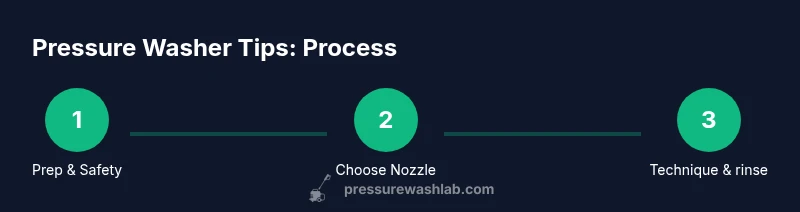
With general pump pressure washer tips, you will learn how to prep the unit, pick the right nozzle, safe detergent use, proper technique, and routine maintenance. This guide covers safety, surface types, distance, overlapping strokes, and common mistakes to avoid. By following these steps, homeowners and DIYers can clean more effectively without damaging surfaces or injuring themselves.
Why general pump pressure washer tips matter
The way you approach cleaning with a pressure washer affects not only how clean a surface gets, but how long equipment lasts and whether you expose yourself to risk. According to Pressure Wash Lab, following practical general pump pressure washer tips helps prevent surface damage, reduces energy use, and minimizes water waste. When you start with the right mindset and a clear plan, you can tackle driveways, siding, and vehicles more confidently. This article explains the core ideas behind effective pressure washing and why technique beats brute force every time. You will learn how to balance cleaning power with surface care, how to avoid spray injuries, and how to extend the life of your pump and wand. Read on to build a repeatable routine that works for sidewalks, fences, and home exteriors alike.
Expect practical demonstrations, safety reminders, and field-tested tips you can apply in minutes, not hours. We’ll cover prep, nozzle choices, detergents, cleaning motions, maintenance, and common mistakes so you can work smarter, not harder.
Safety and prep: setting the stage for success
Before you pull the trigger, prep the area and gear. Ensure the unit is powered off, unplugged (for electric), or refueled (for gas-powered) according to the manufacturer’s instructions. Inspect hoses for kinks or leaks, check the wand and nozzle connections, and verify there are no bystanders or pets in the immediate vicinity. Clear the work zone of loose debris that could become projectiles. Put on PPE: safety goggles, gloves, and closed-toe shoes. If you are cleaning near delicate plants or electrical outlets, isolate the area or use protective barriers. A quick, deliberate setup reduces surprises during spraying and lowers the risk of accidents or equipment damage. Pressure Wash Lab’s guidance emphasizes predictable, measured prep as the foundation of safe operation.
Nozzle choices and accessories: the right tool for the job
Nozzle selection is one of the most important general pump pressure washer tips. Start with a wider spray to test on an inconspicuous area, then move closer and switch to a more focused angle if needed. For most home tasks, a 25-degree or 40-degree nozzle offers a good balance between cleaning power and surface safety. A low-angle, high-pressure nozzle can cause damage, especially on wood, vinyl siding, or painted surfaces. Detergent application, brush attachments, and surface cleaning tools can boost efficiency, but use them only as recommended by the manufacturer. Keep nozzles capped when not in use to avoid accidental sprays. If your surface is very stubborn, consider a specialty nozzle designed for that material and follow the maintenance recommendations.
Detergents, chemistry, and surface prep
Detergents can dramatically improve results, but not all products are compatible with every machine or surface. Choose a detergent designed for pressure washers and the surface you are cleaning (wood, concrete, siding, vehicle surfaces, etc.). Dilute as directed and apply from a safe distance. Pretreat heavily soiled areas with a pre-spray, let the solution dwell briefly, and then rinse with clean water at a lower pressure. Do not mix chemicals, never mix detergents with solvents, and always rinse thoroughly to prevent residues that could damage plants or surfaces. Pressure Wash Lab recommends testing any product on a small area first to gauge reaction.
Cleaning technique: distance, overlap, and motion
Technique matters more than brute force. Begin with the nozzle at a safe distance (a few feet away) for delicate surfaces, then gradually reduce distance as you monitor the surface response. Use smooth, overlapping passes to avoid missed spots and lines. Move the wand in consistent, even strokes and work from the bottom up on vertical surfaces to prevent staining from runoff. Keep the spray in motion to avoid etching or streaks, and pause occasionally to check your progress. If you see feathering or surface damage, back off and reassess nozzle choice and distance.
Surfaces and special cases: what to watch for
Different surfaces require different care. Wood decks and soft siding can gouge easily, so opt for wider angles and higher distance while testing first. For concrete, work with a steady, moderate spray to remove grime without etching. Vinyl siding benefits from greater distance and careful movement to protect seam areas. Vehicles and windows demand a light touch and non-abrasive detergents; never spray directly at gauges, glass, or seals. When unsure, test a small, hidden area first and adjust your approach accordingly. Knowledge of surface chemistry helps you avoid costly damage.
Maintenance and post-cleanup: keep gear ready
Rinse the unit after use to remove detergent residue and cool any hot surfaces. Inspect hoses for cracks and replace worn nozzle tips, O-rings, and seals as needed. Drain water from the system if temperatures risk freezing and store the wand in a dry place to prevent mold. A quick post-cleaning check keeps your pump and accessories in good shape and reduces the likelihood of leaks. By establishing a routine, you ensure readiness for your next cleaning session and extend the life of your equipment.
Common mistakes and how to avoid them
Common mistakes include using too much pressure on soft surfaces, spraying near electrical outlets or lights, and neglecting PPE. Another frequent error is forgetting to test on a hidden area first, which can reveal incorrect distances or nozzle choices. Over-reliance on brute force can strip paint, gouge wood, or push water behind siding. To avoid these pitfalls, follow a deliberate testing sequence, maintain a reasonable distance, switch nozzles when needed, and pause to inspect results after each section.
Tools & Materials
- Pressure washer (electric or gas-powered)(Choose a unit suited to your tasks; ensure hoses and wand are in good condition)
- Safety gloves(Chemical-resistant recommended for detergents)
- Safety goggles(Eye protection is essential during spray operations)
- Detergent compatible with pressure washers(Surface-specific detergents perform best; never use household cleaners unless advised)
- Nozzle tips (e.g., 25-degree, 40-degree)(Carry multiple tips and keep them capped when not in use)
- Hose and garden adapter(Ensure adequate flow and avoid leaks at connections)
- Brush attachments or surface cleaners (optional)(Helpful for stubborn grime on flat surfaces)
- Towels or rags(For quick cleanup of drips and spills)
Steps
Estimated time: 60-90 minutes
- 1
Inspect and prep safety gear
Power off and unplug electric units, or switch off the gas supply according to the manual. Check hoses for wear, secure connections, and inspect the wand lances. Put on PPE and clear the area.
Tip: Double-check electrical outlets and nearby plants before starting; a quick safety pass prevents accidents. - 2
Connect water supply and test spray
Attach the garden hose, turn on water, and run water through the system with the wand pointed away from surfaces to purge air. Attach the desired nozzle and verify there are no leaks.
Tip: Always start with a wide-angle nozzle and a distant spray to minimize risk while testing. - 3
Apply detergent to target areas
If using detergent, apply from the bottom up and let it dwell as directed. Rinse the area with clean water before moving to the next section.
Tip: Do not mix detergents; follow the label and keep a safe distance while applying. - 4
Begin cleaning with proper distance
Begin with a wide spray at a safe distance, then gradually move closer as needed. Use overlapping strokes and maintain consistency to avoid streaks.
Tip: Keep the wand moving; staying in one spot too long can damage surfaces. - 5
Rinse and inspect progress
Switch to a more delicate nozzle for final rinse. Check for missed spots and re-treat only where needed.
Tip: Rinse from top to bottom on vertical surfaces to prevent streaking. - 6
Shutdown and dry down
Turn off the machine, disconnect from the water source, drain residual water, and store the wand and tips dry.
Tip: Prevent freezing by drying the system in cold climates.
Quick Answers
What is the best nozzle angle for wood versus concrete?
For wood, start with wider angles (e.g., 25-40 degrees) to prevent damage. Concrete can tolerate slightly narrower angles, but always test first and avoid direct hits on edges or corners.
Wood surfaces should start with wider angles to prevent gouging. Test on a hidden area before proceeding; concrete typically tolerates mid-range angles, but test first.
Can I use household cleaners in a pressure washer?
Only use detergents or cleaners designed for pressure washers. Mixing chemicals or using non-approved products can damage the machine or surfaces.
Only use manufacturer-approved detergents; never mix chemicals. This protects your washer and surfaces.
How often should I perform maintenance on my pump?
Inspect hoses, seals, and nozzles after each job and perform a thorough check at the end of the season. Replace worn parts and run clean water through the system post-use.
Check hoses and seals after each job; replace worn parts as needed and flush with clean water.
Is it safe to wash cars with a pressure washer?
Yes, with a wide-angle nozzle and high distance from the surface. Use car-specific detergents and avoid aggressive scrubbing on paint.
Yes, but keep distance, use a soft spray, and car-friendly detergent.
What common mistakes should I avoid?
Avoid spraying near electrical outlets, using excessive pressure on soft surfaces, and neglecting PPE. Always test first and maintain consistent technique.
Avoid electrical hazards, protect surfaces, wear PPE, and test on a small area first.
Watch Video
Key Takeaways
- Start with safety and prep, then test nozzle distance.
- Choose the right nozzle for the surface to avoid damage.
- Use detergent correctly and rinse thoroughly.
- Inspect and maintain the unit after every job.