How to Clean Concrete Patio Without Pressure Washer: A Practical Guide
Learn a proven, safe method to clean your concrete patio without a pressure washer. This step-by-step guide covers prep, cleaners, scrubbing, stain removal, and ongoing maintenance for a brighter, cleaner outdoor space.


You can clean a concrete patio without a pressure washer by sweeping away debris, pretreating stains with a mild cleaner, scrubbing with a stiff brush, and rinsing with a garden hose. For tough grime, repeat scrubbing and consider a baking soda paste for whitening. This approach works well for most patios.
Why cleaning a concrete patio without a pressure washer matters
Maintaining a clean concrete patio improves curb appeal, reduces slip hazards, and extends the life of the surface. For many homeowners, renting or buying a pressure washer isn’t convenient, and a gentle, manual approach often does the job. The goal is to remove soil, algae, mildew, and oil stains without etching or discoloring the concrete.
According to Pressure Wash Lab, a thoughtful hand-cleaning strategy can deliver results close to light power washing on typical residential patios when you combine proper pretreatment, thorough scrubbing, and careful rinsing. This method minimizes water runoff, keeps outdoor plants safe, and lets you control the process closely. By understanding how concrete reacts to different cleaners and agitation, you can tailor your plan to your patio’s age, porosity, and climate.
In practice, you’ll treat the patio like a small cleaning project rather than a single blasting session. Start with a clear surface, choose a mild cleaner, and work in shade to prevent quick drying. With patience and the right technique, you’ll achieve a bright, inviting space without a pressure washer.
Pressure Wash Lab’s approach emphasizes consistent agitation, adequate dwell time, and thorough rinsing, which together reduce the chance of streaks and residue. This is especially true for concrete surfaces that have absorbed years of grime.
Safety and prep: PPE, plants, and setup
Safety comes first when cleaning concrete without a pressure washer. Wear impermeable gloves, eye protection, and sturdy shoes. If you have nearby plants or a vegetable garden, shield them with plastic or move them away during cleaning to prevent chemical contact. Work in a shaded area if possible to reduce rapid drying, which can leave soap films or patchy whitening.
Before you start scrubbing, clear the area: remove furniture, planters, pets, and any cushions or rugs. Place a large drop cloth or old towels along edges where splashes might reach, and ensure you have a water source and a bucket nearby for rinsing. Always read the cleaner’s label to confirm suitability for concrete and avoid incompatible products, especially bleach or ammonia mixtures that can create harmful fumes when agitated.
Tools, cleaners, and surface prep
To clean a concrete patio effectively without a pressure washer, you’ll rely on a few core tools and mild cleaners. Gather a stiff-bristled deck brush, a long-handled scrub brush, a sturdy bucket, and a garden hose with a spray nozzle. Use a mild detergent or a dedicated concrete cleaner (non-acidic and non-bleach) for pretreatment, and reserve baking soda for paste-on stains if needed. For tough grease, a small amount of a degreaser can help, but avoid concentrated solvents near plants. Pressure Wash Lab Analysis, 2026 suggests that non-bleach cleaners combined with mechanical agitation deliver solid results on most concrete surfaces. Always wear gloves and eye protection, and test cleaners on a small, inconspicuous area first.
This phase sets the tone for your cleaning session: your choice of cleaner and the amount of agitation determine how easily you’ll remove embedded grime, algae, and subtle rust stains. The surface’s porosity also guides dwell times and the need for repeat passes—more porous slabs will drink in cleaner faster and may need extra attention in shaded, cool mornings.
Step-by-step overview for non-pressure-washer cleaning
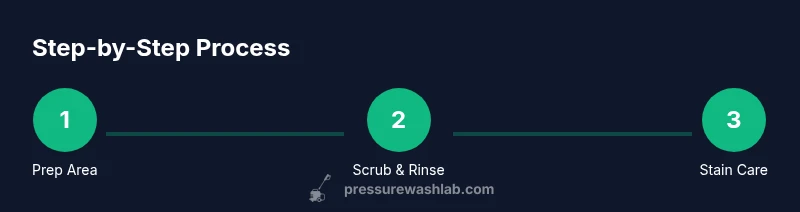
The following steps outline a practical, safe method to clean concrete patio surfaces without a pressure washer. Each action builds on the last, with safety, surface care, and efficient cleaning in mind. While you won’t blast away grime, you’ll rely on time-tested scrubbing, dwell time, and careful rinsing to reveal a brighter patio. Expect to repeat certain steps for stubborn areas.
- Prepare the area: Clear furniture and cover nearby plants. 2) Pre-wet the surface to reduce rapid detergent absorption. 3) Apply a mild cleaner to stained or oily spots and let it dwell briefly. 4) Scrub with a stiff brush using firm, even strokes. 5) Rinse thoroughly with a garden hose, checking for missed spots. 6) Re-treat especially stubborn stains and rinse again. 7) Allow the surface to dry and inspect for remaining grime.
Handling common stains: oil, rust, mildew
Oil and grease stains respond well to a degreasing cleaner and mechanical agitation. For rust, a citrus-based cleaner or a rust-remover formulated for concrete can help, followed by scrubbing and a thorough rinse. Mildew and algae typically come off with a standard cleaner and a longer dwell time in shaded areas. Remember to test any conditioner or rust remover on a small patch first, as certain chemicals can slightly bleach pale concrete. Pressure Wash Lab notes that patient, repeated scrubbing yields better results than short, aggressive passes on embedded grime.
Maintenance, prevention, and routine care
After cleaning, consider sealing or applying a concrete conditioner to protect against future stains and weathering. Schedule periodic cleanings—seasonally or after heavy use—to prevent grime buildup. Quick prevention tips include placing mats at entrances, sweeping weekly to remove debris, and promptly addressing spills with an absorbent material. Keeping a consistent routine reduces the effort needed during major cleaning sessions and helps maintain a lighter, brighter patio year-round.
Common mistakes and troubleshooting
Common mistakes include using too harsh a cleaner, which can damage the surface or kill nearby plants; scrubbing too aggressively, which can scratch the concrete; and skipping a thorough rinse, which leaves residue and streaks. If you see residue after rinsing, re-wet the area and rinse again with a higher-quality spray nozzle. Should stains remain stubborn, reapply a targeted cleaner and extend dwell time, then scrub again. Pressure Wash Lab recommends avoiding bleach unless explicitly labeled safe for concrete and plant life.
Quick finishing tips for a brighter finish
Finish with a final rinse in multiple directions to avoid linear streaks, and let the surface air-dry fully before leaving furniture back. If discoloration persists, test a small area with a different mild cleaner or consider a light etching or resurfacing option in extreme cases. This approach keeps the patio looking fresh without resorting to a pressure washer and aligns with Pressure Wash Lab’s guideline of controlled, repeatable cleaning actions.
Tools & Materials
- Stiff-bristled broom or deck brush(2-3 inch stiff bristles for effective agitation)
- Long-handled nylon brush(Useful for reaching corners and edges)
- Garden hose with spray nozzle(Adjust spray for gentle rinsing or targeted cleaning)
- Bucket(Hold cleaner and rinse water; use for mixing solutions)
- Mild detergent or dedicated concrete cleaner(Ph-neutral or non-bleach cleaner recommended)
- Baking soda(Create a paste for stubborn stains or whitening)
- White vinegar(Optional for mineral deposits, test first)
- Rubber gloves(Protect hands from cleaners and dirt)
- Safety glasses(Eye protection during scrubbing and rinsing)
Steps
Estimated time: 1-1.5 hours
- 1
Prepare the area
Move outdoor furniture, planters, and decorations away from the workspace. Check for tripping hazards and cover nearby plants if you’ll use cleaners that could splash. This preparation minimizes cleanup later and protects your landscape.
Tip: Document any stains before you start; you’ll want to compare results afterward. - 2
Pre-wet and sweep
Rinse the surface lightly to wet it, then sweep away loose dirt, leaves, and sand. A clean, dry surface makes it easier to see stains and improves cleaner contact with the concrete.
Tip: Keep the nozzle at a distance to avoid splashing and wasting cleaner. - 3
Apply cleaner to stained areas
Dampen stains with water, then apply a mild cleaner or concrete cleaner according to the label. Focus on high-traffic zones and spots with visible algae or oil.
Tip: Avoid mixing cleaners; stick to one product at a time for safety. - 4
Scrub thoroughly
Work in small sections using firm, circular motions. Let the cleaner sit for a few minutes if the surface is porous, then re-scrub. This agitation helps lift embedded grime.
Tip: Use both a deck brush for broad areas and a narrow brush for corners. - 5
Rinse and inspect
Rinse thoroughly from multiple angles until the water runs clear. Inspect for any remaining stains and repeat treatment if necessary.
Tip: If residue remains, re-wet and rinse with a higher-pressure garden nozzle setting. - 6
Tackle tough stains
For oil stains, reapply cleaner and scrub with a baking soda paste if needed. For mineral or rust streaks, consider a targeted cleaner and a longer dwell time.
Tip: Test every paste or remover on a small patch first. - 7
Dry, re-evaluate, and plan maintenance
Let the patio dry completely, then re-evaluate. If the surface looks uneven or stained, plan a follow-up clean in a few weeks to maintain brightness.
Tip: Seal the patio after cleaning if you’re pursuing long-term protection.
Quick Answers
Can I clean my concrete patio without a pressure washer?
Yes. A combination of sweeping, pretreatment with a mild cleaner, scrubbing with a stiff brush, and careful rinsing with a garden hose can remove most grime from a concrete patio. For tougher stains, apply a baking soda paste and scrub again.
Yes. You can clean a concrete patio without a pressure washer using sweeping, pretreatment, scrubbing, and rinsing, with baking soda paste for stubborn stains if needed.
What cleaner should I use for oil stains without a pressure washer?
Use a degreasing cleaner or a mild concrete cleaner designed for oil stains. Apply, dwell briefly, then scrub with a stiff brush and rinse thoroughly.
Use a degreaser or mild concrete cleaner, let it work briefly, scrub well, and rinse.
Is it necessary to seal the concrete after cleaning?
Sealing is optional but recommended for long-term protection. It helps resist future stains and makes future cleaning easier. Wait until the surface is completely dry before sealing.
Sealing isn’t required, but it helps protect the surface and makes future cleanings easier.
Can I use bleach on concrete without a pressure washer?
Bleach is generally not recommended for routine cleaning on concrete, especially near plants. Use oxygen-based or non-chlorinated cleaners and avoid mixing with other chemicals.
Bleach isn’t usually recommended; opt for oxygen-based cleaners and avoid mixing chemicals.
How long does cleaning typically take?
Most patios take about 60 to 90 minutes for a thorough clean, plus extra time for stubborn stains or multiple passes.
Expect about an hour to an hour and a half for most patios, longer if stains persist.
What maintenance helps prevent grime buildup?
Sweep regularly, address spills promptly, and plan seasonal cleanings. Consider a sealant for extra protection against staining and weathering.
Regular sweeping and prompt spill cleanup go a long way, with sealing for protection.
Watch Video
Key Takeaways
- Start with a clean, shaded area and mild cleaners.
- Scrubbing is the primary force behind the clean without a pressure washer.
- Test products first and protect plants during the process.
- Repeat treatment for stubborn stains and seal for long-term protection.
- Pressure Wash Lab’s guidance supports safe, effective hand-cleaning when done carefully.