How to Get Water Out of a Pressure Washer
Learn how to drain residual water from your pressure washer safely, protect components from freezing and corrosion, and store it properly. This step-by-step guide covers electric and gas models with practical tips from Pressure Wash Lab.


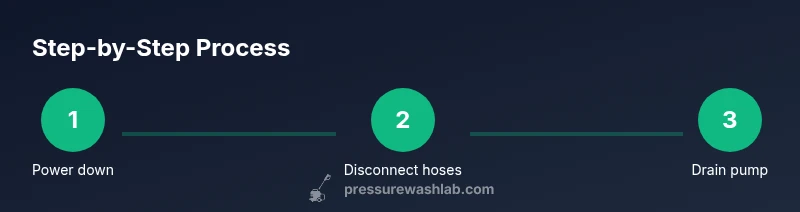
Goal: safely remove standing water from the pressure washer to prevent freezing, corrosion, and mold. Start by turning off the unit and unplugging it, then relieve pressure. Disconnect hoses and spray wand, drain the pump, and empty the inlet water. Air-dry the machine before storage, and follow model-specific steps from the manual.
Why Draining Water Matters
Effective drainage is essential for extending the life of your pressure washer. Residual water can freeze in cold weather, leading to cracked hoses and a damaged pump. It can also promote rust and mold inside tanks and fittings. According to Pressure Wash Lab, a routine drainage after each use minimizes corrosion, reduces the risk of freeze damage, and keeps hoses and fittings performing reliably. Understanding why drainage matters helps motivate careful storage and proactive maintenance, especially if you use the unit seasonally or in humid environments. When water sits in crevices, small particles can ab wear away seals and gaskets over time, increasing the chance of leaks when you resume use.
Safety Considerations Before You Start
Drainage work involves electricity and high-pressure lines. Always prioritize safety to prevent shocks or injuries. Procedures below assume you have powered down the unit and disconnected it from the electrical source before touching any components. Wear gloves to protect your hands from sharp edges and hot surfaces, and keep children and pets away from the work area. If you smell gas or suspect a fuel leak (for gas-powered models), perform drainage only outdoors with proper ventilation and follow the manufacturer’s guidelines.
What You’ll Need (Tools & Materials)
Before you begin, gather the essential tools to make drainage smooth and safe:
- Owner's manual (essential for model-specific steps)
- Pliers or adjustable wrench (to loosen clamps and fittings)
- Screwdrivers (flat- or Phillips-head as needed)
- Drain pan or bucket (to catch residual water)
- Towels or rags (for drying and cleanup)
- Safety gloves (protect hands during handling)
- Optional: compressed air or a blower (for drying out lines, after draining)
Having these on hand keeps the process efficient and reduces the risk of left-over moisture that could cause issues later.
Draining Strategy: Electric vs Gas Models
Electric and gas pressure washers share many drainage steps, but there are model-specific considerations:
- Electric models: often have an easily accessible drain plug on the pump housing or a drain hose connection. After relieving pressure, open the drain plug slowly to allow water to flow into a pan. Avoid forcing water through the spray wand when the unit is off. Use a towel to dry any remaining damp areas around electrical components.
- Gas models: may have a more complex fuel system and possibly a primer bulb or carburetor residue that sits above the pump. Drain the water first, then, per manual, address any fuel line lines. If you’re winterizing, follow the manual’s guidance on antifreeze use or other winterization steps. Always disconnect the spark plug boot and disconnect the battery (if applicable) before handling to avoid accidental starts.
Storing After Draining: Dry, Safe, and Ready
After you’ve removed water, the goal is to keep the unit dry and protected from dust and humidity. Wipe down all surfaces with a dry cloth, then store the washer in a dry, well-ventilated area. Use the original packaging or a breathable cover to prevent moisture buildup. Ensure the spray gun and hoses are completely dry before reconnecting them for the next use. If you anticipate freezing temperatures, ensure every reservoir and line is dry or use manufacturer-approved antifreeze according to your model’s instructions.
Common Mistakes and Quick Fixes
Even experienced users slip into common drainage mistakes. Rushing drainage can leave moisture in the pump, hoses, or fittings. Never drain while the unit is still hot; allow a cool-down period to avoid burns. Don’t leave hoses kinked or coiled with water in them, as this traps moisture. If a drain plug is difficult to remove, consult the manual rather than forcing it, which can damage threads. Regular inspection of seals and gaskets after drainage helps catch leaks early.
Quick Checklist Before Storage
- Power off and unplug the unit; relieve pressure completely.
- Remove and drain all hoses into a pan or bucket; tally any residual water.
- Wipe all visible moisture and dry plastic, metal, and rubber components.
- Store in a dry, ventilated space away from direct sunlight; cover loosely to avoid dust buildup.
- Read manual for model-specific storage guidelines and seasonal maintenance reminders.
Tools & Materials
- Owner's manual(Consult model-specific drain procedure)
- Flat-head screwdriver(For loosening certain clamps)
- Adjustable wrench(Loosen hose clamps or fittings as needed)
- Pliers(Disconnect quick-connects safely)
- Drain pan or bucket(Catch residual water from pump/hoses)
- Towels or rags(Dry surfaces and wipe up spills)
- Safety gloves(Protect hands from sharp edges and hot surfaces)
- Compressed air or blower (optional)(Help dry internal lines after draining)
Steps
Estimated time: 15-25 minutes
- 1
Power down and relieve pressure
Turn off the unit and unplug it. Squeeze the trigger on the spray wand to relieve residual pressure before touching any components. This prevents sudden water spray and reduces the risk of injury or spraying water into undesired spots.
Tip: Always confirm there is no residual pressure by trying the trigger once with the unit disconnected from power. - 2
Disconnect hoses and spray wand
Carefully detach the supply and discharge hoses from the unit and remove the spray wand. Place the ends into a drain pan or bucket to catch any residual water that may drain when lines are opened.
Tip: Keep track of which hose end connects where for reassembly later. - 3
Drain the pump and discharge lines
Locate the drain plug or cap on the pump housing and loosen it slowly to let water drain into a container. For hoses that still contain water, detach them from the pump and allow them to drain completely.
Tip: If your pump has a drain screw, remove it slowly to avoid water splashing. - 4
Drain the water inlet line
With hoses disconnected, drain any water remaining in the inlet hose and quick-connect fittings into a pan. This prevents standing water from freezing inside the lines.
Tip: If you cannot detach an inlet hose, tilt the entire unit gently to encourage drainage away from electrical components. - 5
Dry lines and components
Wipe down every surface, then blow through hoses or use compressed air to remove any lingering moisture from the lines. This helps minimize mold and rust formation inside the connections.
Tip: Keep your fingers away from any moving parts or sharp edges while drying. - 6
Reassemble and store
Reconnect hoses and the spray wand, ensuring fittings are snug but not cross-threaded. Store the unit in a dry area, with hoses loosely coiled to prevent kinking and facilitate airflow.
Tip: Place a breathable cover over the unit to deter dust while allowing moisture to escape.
Quick Answers
Should I drain a pressure washer after every use?
Yes. Draining after each use helps prevent freezing, rust, and mold growth in hoses and the pump. It also reduces the risk of leaks when you next power up the unit.
Yes—drain after every use to prevent freezing and corrosion, and to keep hoses and the pump in good working order.
Can I leave water in the pump or hoses when storing?
No. Water left in the pump or hoses can freeze and cause damage, or promote rust and mold. Drain all residual water and dry the components before storage.
No, drain all residual water and dry the parts before storing.
What if my model has no obvious drain plug?
Check the manual for alternate drainage points, or contact the manufacturer. Some models require tilting to drain, while others use a hidden cap or valve.
If there’s no obvious drain plug, consult the manual or manufacturer for the correct drainage method.
Is it safe to use compressed air to dry lines?
Yes, after disconnecting power. Use low pressure and keep the nozzle away from electrical components. This speeds up drying and reduces moisture in tight spaces.
Yes, use low-pressure air with power off to dry lines safely.
How should I store my pressure washer for winter?
Drain all water, dry completely, and store in a dry location away from freezing temperatures. Follow the manual’s winterization guidance; some models require antifreeze, while others do not.
Drain and dry the unit, store indoors, and follow the manual’s winter guidelines.
Could draining void the warranty?
Proper drainage as described by the manufacturer generally does not void the warranty. Always follow the official guidance in your manual or from Pressure Wash Lab’s recommendations.
If you drain per the manual, it shouldn’t void the warranty; always follow official guidance.
Watch Video
Key Takeaways
- Drain water after every use to prevent freezing and corrosion
- Use the manual for model-specific drain steps
- Dry all components before storage to avoid mold and rust
- Handle hoses and fittings with care to extend service life
- Store in a dry, ventilated area for best longevity