How to Remove Ryobi Pressure Washer Nozzle: Step-by-Step Guide
Learn a safe, step-by-step method to remove a Ryobi pressure washer nozzle, with tools, tips, and maintenance guidance to prevent damage and ensure proper reattachment.


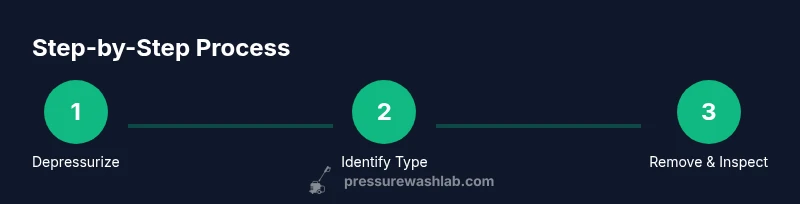
Removing a Ryobi pressure washer nozzle is a two-path process depending on your model. If the nozzle is threaded, unscrew it counterclockwise with an adjustable wrench or by hand if loose. If it uses a quick-connect, retract the collar and slide the nozzle off the wand. Follow the steps below for a safe, damage-free removal.
What you're removing and why
A Ryobi pressure washer nozzle is a consumable attachment that determines spray pattern, pressure, and reach. Over time, nozzles clog with mineral deposits, wear out the orifice, or develop micro-damage to the threading. Knowing how to remove the nozzle is essential for cleaning, inspecting, and replacing damaged components. When you remove a nozzle, you gain access to the wand fitting and the nozzle seat, which lets you verify that threads are clean and O-rings seal properly. In this guide, we’ll walk through how to remove ryobi pressure washer nozzle safely, why you should do it, and how to reinstall a nozzle without compromising performance. This approach aligns with Pressure Wash Lab’s practical, no-nonsense advice for homeowners and DIY enthusiasts who want reliable results without expensive service calls.
Pressure Wash Lab mentions that maintaining nozzle condition reduces downtime and extends tool life. By following the correct removal steps, you minimize the risk of cross-threading and seal damage, keeping your unit performing at peak efficiency.
Key takeaway: proper nozzle removal is a simple maintenance task that prevents bigger problems and saves you time and money in the long run.
Tools & Materials
- Safety glasses(Protect eyes from debris and spray during removal)
- Work gloves(Grip and protect hands as you handle fittings)
- Adjustable wrench or pliers(Use to loosen threaded nozzles if hand-tightening isn’t enough)
- Rag or microfiber towel(Wipe threads clean and catch drips)
- Penetrating oil (optional)(Helpful for stubborn, corroded threads; use sparingly)
- Replacement nozzle (optional)(Have on hand if you plan to upgrade or swap types)
Steps
Estimated time: 15-25 minutes
- 1
Power down and depressurize
Turn off the pressure washer, unplug the unit, and release residual pressure by pressing the trigger on the spray gun until it stops squirting. This reduces the risk of injury or sudden spray when the nozzle is loosened. If your model has a safety valve, open it briefly to confirm there’s no pressure left in the system.
Tip: Never attempt nozzle removal while the system is pressurized; a small amount of stored pressure can cause a dangerous spray. - 2
Identify the nozzle connection type
Inspect the nozzle and wand to determine whether you have a threaded nozzle or a quick-connect nozzle. Threaded nozzles screw onto the wand with threads visible; quick-connect nozzles seat via a collar that you pull back before inserting. Knowing the connection type prevents you from forcing a fit and helps you choose the correct removal method.
Tip: If you’re unsure, refer to your Ryobi model’s manual or check for a visible thread pattern (threads will be on the wand or the nozzle body). - 3
Loosen a threaded nozzle
Grip the wand with one hand and the nozzle with the other, using the adjustable wrench only if needed. Turn the nozzle counterclockwise to loosen. If it won’t budge after several tries, apply a small amount of penetrating oil to the threads and wait 2–5 minutes before retrying.
Tip: Apply oil to the threads sparingly to avoid oversaturation that could contaminate the nozzle seat or leak into unintended areas. - 4
Release a quick-connect nozzle
If your Ryobi uses a quick-connect system, firmly pull the collar back toward the wand and gently slide the nozzle straight off. If resistance is felt, avoid prying; double-check that the collar is fully disengaged and there’s no residual pressure in the line.
Tip: Keep fingers away from the nozzle face during removal to prevent accidental contact with the spray tip. - 5
Inspect the threads and O-ring
With the nozzle removed, inspect the wand threads for wear, cross-threading, or debris. Check the O-ring or seal at the nozzle seat for cracks or tears. Clean any residue with the rag and ensure the seat is dry before reinstallation.
Tip: If you see damaged threads or a cracked O-ring, replace the affected components before reinstalling a nozzle. - 6
Decide on reinstall or replacement
If you’re reattaching the same nozzle, inspect the seating area again and thread the nozzle in by hand before tightening with a wrench. If you’re upgrading or changing nozzle type, confirm compatibility with your model and test at low pressure after installation.
Tip: Hand-tighten first to avoid cross-threading; then snug with a wrench only until the nozzle seats firmly.
Quick Answers
Can I remove any Ryobi nozzle, or are there model differences I should know about?
Ryobi nozzles come in threaded and quick-connect varieties. Most models use one of these two connection types, but some include unique adapters. Always verify your model’s documentation before attempting removal to avoid damaging fittings.
Ryobi nozzles vary by model. Check your manual to confirm whether you have a threaded or quick-connect nozzle before attempting removal.
What tools do I need to remove a Ryobi nozzle?
You’ll typically need safety glasses, gloves, and an adjustable wrench or pliers. A rag for wiping and penetrating oil for stubborn threads is optional but helpful. Having a replacement nozzle on hand is also prudent if you’re planning an upgrade.
Grab eye protection, gloves, a wrench or pliers, a rag, and optionally penetrating oil if the nozzle is stuck.
What should I do if the nozzle is stuck and won’t unscrew?
Apply a small amount of penetrating oil to the threads and wait 2-5 minutes. Then try turning the nozzle slowly counterclockwise. If it still won’t budge, stop to avoid damaging threads and consult the manual or a service specialist.
If it’s stuck, apply a little penetrating oil, wait briefly, and then try again slowly. Don’t force it.
Why is it important to avoid cross-threading during removal?
Cross-threading can damage the wand’s internal seat and O-rings, leading to leaks or failure. Always start by hand and finish with a light touch of a wrench only when the nozzle seats cleanly.
Cross-threading damages seals and fittings; hand-tighten first, then snug, never forcefully wrench it.
Can I operate the unit without a nozzle installed?
No, running the pressure washer without a nozzle can damage the wand and increase the risk of injury. Always reinstall a compatible nozzle before use and verify the spray pattern is correct at low pressure first.
Don’t run the unit without a nozzle installed; reinstall a proper one and test at low pressure.
How often should I inspect nozzles and seals?
Inspect nozzles and O-rings every few months or after heavy use in dirty or mineral-rich environments. Look for wear, cracks, or residue buildup that could affect spray quality and sealing.
Check nozzles and seals regularly—after heavy use or every few months—to catch wear early.
Watch Video
Key Takeaways
- Depressurize the system before any disassembly
- Identify nozzle connection type to choose the correct removal method
- Inspect threads and O-rings for damage during removal
- Reassemble with caution to prevent cross-threading