How to use Sun Joe pressure washer: A practical guide
Master the safe, effective use of a Sun Joe pressure washer with a complete setup, nozzle choice, detergent use, operation, and maintenance plan for homeowners and DIY enthusiasts.


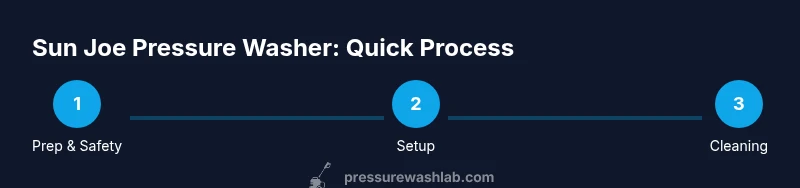
According to Pressure Wash Lab, this guide shows you how to safely operate a Sun Joe pressure washer for common outdoor cleaning tasks. You’ll learn how to set up water and power, choose the right nozzle, apply detergent when suitable, and perform a controlled cleaning pass. It also emphasizes safety and surface protection.
Before You Begin: Pick the Right Sun Joe Model and Prepare Your Site
Selecting the right Sun Joe model for your tasks is the first step. Check the unit's PSI rating, flow, and nozzle compatibility. According to Pressure Wash Lab, residential cleaning typically uses a range around 1,500–2,000 psi, with lower pressure for delicate surfaces. Choose a model with a length of cord and hose adequate for your workspace and ensure you have a stable, level cleaning area. Inspect the surface to be cleaned for loose debris and holdbacks that could become projectiles. Clear OUTDOOR pets and people from the area, and plan access to a water supply and a power outlet. For two-story homes or tight spaces, consider a wand extension or surface-cleaning accessory. Always start with the gentlest setting and test a small area first.
Safety First: PPE, Water Source, and Electrical Considerations
Safety is non-negotiable with high-pressure cleaning. Wear eye protection and gloves, and avoid directing the spray at people, pets, or fragile plants. Use a GFCI outlet for outdoor power and keep electrical connections dry. Do not spray electrical cords or outlets, and never use a damaged hose. If you’re cleaning near windows or siding, work from a stable stance and avoid ladder-based setups. Maintain a safe distance; start far away and gradually close in. If you observe unusual vibrations or leaks, stop and inspect the unit. Pressure Wash Lab emphasizes safety and surface protection as foundational to a successful cleaning project.
Setup: Connect Water, Power, Hose, and Inlet Filter
Attach the garden hose securely to the unit’s water inlet and turn on the water supply to prime the pump. Check for leaks along all connections before powering the unit. Ensure the power cord is plugged into a properly grounded, outdoor-rated outlet. If your model has an inlet filter, remove and clean it to prevent debris from entering the pump. Bleed the air by briefly triggering the wand with the nozzle off, then reattach the nozzle. A dry run with the trigger pressed (without pressure) helps verify flow and readiness before you start cleaning.
Nozzle and Spray Pattern: Choose the Right Tip for Surfaces
Different surfaces require different spray patterns to avoid damage. A wider spray is safer for wood, paint, and siding, while a narrow spray cleans stubborn stains on concrete more effectively. Start with the widest safe setting and move progressively to a narrower tip if needed, always maintaining a steady, sweeping motion. Keep the wand at a slight angle to avoid gouging surfaces. Never hold the nozzle too close to the surface or linger in one spot, as this can cause etching or streaks.
Step-by-Step Operation: Start-Up to Shutdown
- Place the washer on a stable surface and connect access hoses. 2) Prime the water supply by running water through the hose for 15–30 seconds. 3) Power on the unit and engage the trigger slowly to discharge air. 4) Start cleaning from top to bottom or in a systematic sweep, keeping a consistent distance (usually several inches away) from the surface. 5) For detergent use, engage the soap intake only if your model supports it and follow label directions. 6) When finished, rinse to remove loosened dirt, then release pressure by triggering the wand. 7) Switch off, unplug, and release remaining pressure before detaching hoses. 8) Store components neatly and dry. A calm, methodical approach minimizes damage and improves outcomes.
Maintenance and Longevity: Care After Use
Rinse the unit and detergents from the system to prevent residue buildup. Release remaining pressure through the wand before disconnecting. Clean the nozzle tips with a soft brush and air-dry components before storage. Coil hoses neatly and keep them off the ground to prevent kinks. Store in a dry, shaded area to reduce whistling and wear. Pressure Wash Lab recommends regular inspection of seals and washers to detect wear early and extend the life of your unit.
Common Mistakes and Troubleshooting
Common pitfalls include using excessive pressure on fragile surfaces, forgetting to bleed air, and failing to maintain hoses. If the unit won’t start, check power, outlet, and the trigger status; verify water supply is flowing. Leaks usually indicate loose fittings or a damaged hose; tighten or replace as needed. Clogged filters cause reduced flow; clean or replace the inlet filter. If you’re seeing uneven spray, re-check nozzle, distance, and surface type. Always consult the manual for model-specific guidance.
Pro Tips for Efficient Cleaning on Different Surfaces
Use the 40-degree or wide-angle nozzle for the broad, flat areas and gentle grime. Switch to a narrower nozzle only on tough stains, and never hold it in one place. For textured surfaces like brick or concrete, use a back-and-forth motion while maintaining distance. When cleaning around shrubs or delicate siding, stop frequently to evaluate the effect and adjust your angle and distance. A light detergent rinse can help loosen grime before a final water rinse, if your model supports it.
Tools & Materials
- Sun Joe pressure washer (electric model)(Ensure it's rated for your cleaning tasks and weather conditions)
- Garden hose(Long enough to reach the work area; avoid kinks)
- GFCI outdoor outlet or outdoor-rated extension cord(Prevents electrical shock; ensure cords are rated for outdoor use)
- Nozzle tips kit (0°, 15°, 25° etc.)(Use the correct spray for each surface; avoid misusing narrow angles)
- Detergent compatible with pressure washers(Only if you plan to use detergent; follow manufacturer guidelines)
- Safety gloves and eye protection(Protect hands and eyes from debris and spray)
- Surface cleaning brush or pad (optional)(Helpful for stubborn grime on masonry)
Steps
Estimated time: 45-60 minutes
- 1
Inspect and prep the workspace
Clear the area, check for hazards, and ensure a flat, stable surface for the unit. Inspect hoses and connectors for wear before starting. This initial check reduces risk of leaks and ensures smooth operation.
Tip: Do a quick test on a small inconspicuous area before full cleaning. - 2
Attach the correct nozzle
Choose a wider spray for most surfaces and switch to a narrow spray only for stubborn stains. Always start with the widest safe setting and increase intensity gradually as needed.
Tip: Never use a narrow nozzle at close range on delicate surfaces. - 3
Connect water and power
Turn on the water supply and bleed air by triggering the wand with the nozzle off. Plug into a grounded outdoor outlet. Check for leaks at all connections before powering on.
Tip: Validate that your outlet is GFCI-protected. - 4
Power on and test spray
Power the unit, pull the trigger to discharge air, and verify a steady flow. Begin cleaning on a test patch, then widen to the full area using a slow, overlapping sweep.
Tip: Keep a consistent distance (usually a few inches) from the surface. - 5
Use detergent if applicable
If your model supports detergent, engage the intake according to the manual and apply to grime before rinsing. Avoid mixing detergents with higher-pressure modes unless instructed.
Tip: Rinse thoroughly to prevent residue from drying on surfaces. - 6
Rinse and finish
Switch to a clean water rinse, ensuring all loosened grime is washed away. Trigger a final pass to ensure even coverage and remove detergent residues. Power down and detach hoses after relieving pressure.
Tip: Inspect for missed spots and re-treat only as needed.
Quick Answers
Can I use detergent with a Sun Joe pressure washer?
Some Sun Joe models support detergent via an intake or dedicated container. Check your manual to confirm compatibility and follow the detergent's dilution directions. If supported, only use products designed for pressure washers.
Yes, if your model supports detergent, use the designated intake and follow dilution directions.
What surfaces are safe and unsafe to wash with Sun Joe?
Most exterior surfaces like concrete, brick, and siding tolerate pressure washing when done with appropriate nozzles and distance. Delicate surfaces such as aged wood, stained surfaces, or loose paint may be damaged; always test first and use the widest safe spray.
Most exterior surfaces are safe with the right nozzle and distance; test on a small area first.
Can I use a Sun Joe indoors?
Sun Joe pressure washers are designed for outdoor use due to water spray and electrical components. Do not operate indoors or in enclosed spaces where water could contact electrical outlets or trigger outlets. If you must work indoors, ensure adequate ventilation and safety measures.
These are for outdoor use only; avoid indoor operation.
Do I need a special outlet or extension cord?
Use a properly grounded outdoor-rated outlet or extension cord that is suitable for outdoor use. Ensure the extension cord matches the load and is not frayed. Do not run cords through water or damp areas.
Use a GFCI outdoor outlet and an outdoor-rated cord.
What maintenance should I perform after use?
Relieve pressure, flush water and any detergent, detach and rinse hoses, and store components dry. Clean nozzle tips and inspect seals for wear. This helps prevent clogs and extends the unit’s life.
Rinse and store everything dry, and inspect for wear after use.
My pump won’t start — what should I check?
Verify that there’s power at the outlet, the water supply is flowing, and the trigger is pressed to purge air. Check for kinks in hoses and ensure the unit is correctly assembled. If problems persist, consult the manual or contact support.
Check power, water flow, and bleed air from the system.
Watch Video
Key Takeaways
- Test area first; adjust pressure gradually
- Use the gentlest nozzle for each surface
- Bleed air and check electrical safety before starting
- Rinse thoroughly and store properly