Pressure Washer Antifreeze: A Complete Winterization Guide
Learn how to winterize a pressure washer using safe antifreeze. This step-by-step guide covers choosing antifreeze, flushing the system, safety tips, and storage to prevent freeze damage.


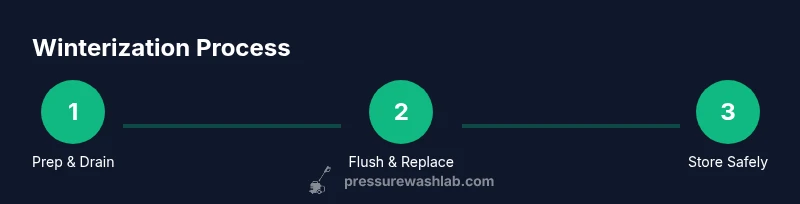
Goal: Learn how to winterize a pressure washer using safe antifreeze to prevent frozen hoses and damaged seals. You’ll need non-toxic RV/marine antifreeze, basic hand tools, and a few minutes to follow the cycle. This quick answer outlines when to antifreeze, what to avoid (automotive antifreeze), and the general flushing approach before storage.
Why winterizing with pressure washer antifreeze matters
When temperatures drop below freezing, any water left in a pressure washer can freeze, expand, and damage seals, valves, and hoses. A proper antifreeze protocol creates a protective film inside the pump and lines that prevents ice from forming. Using the right antifreeze concentration and method is essential for both gas-powered and electric units. According to Pressure Wash Lab, winterizing with the correct antifreeze reduces the likelihood of costly pump failures and downtime, especially for homeowners who store equipment in unheated spaces. The Pressure Wash Lab Team emphasizes that not all antifreeze is created equal; automotive coolant is not appropriate for winterization because it contains additives that can harm seals and contaminate water outlets. For best results, choose a non-toxic antifreeze designed for potable water systems, such as RV/marine antifreeze, and follow a clear sequence that moves antifreeze through the pump, hoses, and spray gun. By planning ahead, you can extend the life of your investment and ensure your washer is ready for the first job of spring. Always consult your owner’s manual for model-specific drain plugs and safety instructions.
10-15 words
Tools & Materials
- Non-toxic RV/marine antifreeze (propylene glycol)(Propylene glycol-based; safe for potable water systems)
- Funnel(To prevent spills and ensure accurate dosing)
- Drain pan or basin(Collect used fluids; prevent contamination)
- Gloves (chemical-resistant)(Protect hands from antifreeze and sharp edges)
- Adjustable wrench or pliers(Loosen drain plugs if needed)
- Garden hose with shut-off valve(Provide water source and flush capability)
Steps
Estimated time: 15-25 minutes
- 1
Power down and prep
Turn off the unit and disconnect power. For gas models, shut the fuel valve and start with the engine cool to reduce the risk of burns. Verify that no pressure remains in hoses by releasing the trigger and relieving any residual pressure.
Tip: Double-check that the unit is unplugged or the spark plug is disconnected before any handling. - 2
Drain the pump and hoses
Open all drain plugs and relieve pressure by opening the spray gun. Use a drain pan to capture standing water and let gravity help remove water from the pump, hoses, and gun.
Tip: Keep the discharge area clear to avoid slips; this is the dirtiest but most crucial step to prevent freezing damage. - 3
Prepare antifreeze and access points
Have your antifreeze ready in a funnel. Identify the pump inlet and any service ports. Verify there are no leaks in hoses and that the antifreeze you’re using is non-toxic and suitable for potable water systems.
Tip: Test a small amount in a less-visible spot if you’re unsure about compatibility with your model’s seals. - 4
Begin antifreeze flow
Refill the system by guiding antifreeze into the pump inlet. Start the engine or power the unit on so antifreeze circulates through the pump, hoses, and gun. Stop when you see antifreeze in the discharge stream.
Tip: Keep the spray gun open during this step to avoid air locks and ensure complete circulation. - 5
Purge lines and discharge
Continue running the unit with antifreeze until the discharge line shows clear antifreeze and there is no water visible. Close all drains and perform a quick purge to remove any residual water pockets.
Tip: Watch for any foaming; excessive foam can indicate too much antifreeze or contaminants. - 6
Final check and storage
Turn off the unit, disconnect power, and wipe down exterior surfaces. Store antifreeze in a labeled container away from heat sources. Label the storage area and note the date of winterization for reference next season.
Tip: Record where antifreeze is stored to prevent accidental mixing with drinking water supplies.
Quick Answers
Can I use automotive antifreeze to winterize my pressure washer?
No. Automotive coolant contains inhibitors and additives that can damage seals and contaminate the system. Use a non-toxic RV/marine antifreeze designed for potable water systems. Always follow the manufacturer’s guidance.
Avoid automotive antifreeze; use RV antifreeze designed for water systems, and follow your manual.
Is antifreeze required if I store my pressure washer indoors?
If you are certain there is no water left in the system and temperatures will stay above freezing, antifreeze may not be required. In most climates, winterization is still recommended to protect hoses and seals.
If it won’t freeze, you might skip antifreeze, but it’s safer to winterize anyway.
Can antifreeze be reused after winter?
It’s best to replace antifreeze each season. Reusing can introduce contaminants and reduce protection. Proper disposal and a fresh mix ensure optimal performance next year.
Usually replace antifreeze; reuse can cause contamination.
Do electric washers require the same antifreeze steps?
Yes. The antifreeze flow principle is the same for electric washers, but always check your manual for any model-specific drain plugs or steps.
Electric units follow the same idea; verify model-specific steps in the manual.
How should I dispose of used antifreeze?
Take used antifreeze to a certified recycling or hazardous waste facility. Do not pour it on soil or down drains unless the facility specifically allows it.
Take it to a proper recycling facility.
Watch Video
Key Takeaways
- Choose non-toxic RV/marine antifreeze.
- Flush antifreeze through pump, hoses, and gun.
- Flush and drain completely to avoid freeze damage.
- Store properly and track the winterization date.