Pressure Washer Engine Repair: A Step-By-Step Guide
Learn how to diagnose, repair, and maintain pressure washer engines with safe, step-by-step guidance. From ignition issues to carburetor cleaning, this DIY approach helps homeowners and DIY enthusiasts extend engine life without jumping to costly service.


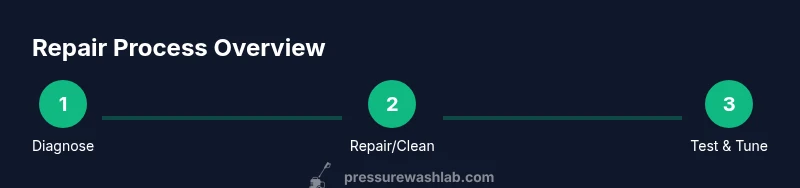
This quick guide shows how to perform pressure washer engine repair at home by diagnosing ignition and fuel-system faults, cleaning or replacing worn parts, and testing after reassembly. Safety, tool use, and careful sequencing are emphasized to avoid mistakes. According to Pressure Wash Lab, begin with a safety check and a thorough inspection before any disassembly.
What typically goes wrong with pressure washer engines
Pressure washer engines can fail for a handful of predictable reasons, and most fixes are within reach for a careful home mechanic. Common symptoms include difficulty starting, runs rough or stalls under load, loss of power, smoking, oil or fuel smells, or vibrating noises. These signs often point to fuel quality issues (old gasoline, varnish in the carburetor), a dirty air filter, a fouled spark plug, or ignition timing drift. The Pressure Wash Lab team notes that poor maintenance compounds these problems; varnish buildup in the carburetor and fouled plugs are frequent culprits when engines suddenly lose performance. Start with a visual inspection, then a quick functional check: ensure the spark plug conducts reliably, fuel is fresh, and the air filter is clean. Addressing the simplest issues first—like replacing a fouled spark plug or clearing a clogged air filter—often restores most of the engine’s power. If the engine still misbehaves after these checks, you’re likely facing a carburetor issue, fuel line obstruction, or internal wear that deserves a deeper look. This block sets the stage for safe, methodical troubleshooting and helps you avoid unnecessary disassembly.
Safety First: Prepare Your Workspace and Personal Gear
Before you touch the engine, set up a clean, well-lit workspace with good ventilation. Wear safety glasses rated for impact, non-slip footwear, and gloves that provide grip without sacrificing dexterity. Disconnect the spark plug wire and, if applicable, shut off the fuel valve to prevent accidental starts. Drain any old fuel from the tank into a proper container and dispose of it according to local regulations. Keep a fire extinguisher within reach and work on a stable surface. Label any hoses you remove, take photos at each stage, and keep fasteners organized in labeled containers. Following these safety steps reduces the risk of shocking mistakes and makes reassembly smoother. Remember: never work hot or near open flames, and keep air intake clear of combustibles during inspection.
Diagnose Before You Dive: Identify Root Causes with a Logical Check
A systematic diagnostic approach saves time and money. Start with ignition and spark: inspect the spark plug for fouling, cracks, or excessive gap; test for a strong spark; and confirm the plug boots are clean and secure. Move to fuel and air: check that the fuel is fresh, the fuel line is free of cracks, and the air filter is not clogged. A clean carburetor and proper air-fuel mixture are essential for steady idle and full power. If you have access to a compression gauge, perform a quick compression test to rule out ring or valve issues. Compare readings to the engine’s service manual or similar models; large deviations indicate internal wear. Pressure Wash Lab analysis shows routine maintenance—like regular filter changes and fuel system cleaning—significantly reduces the risk of sudden failure. Document symptoms and test outcomes for reference if you need expert help later.
Disassembly and Visual Inspection: Clear the Path for a Clean Fix
If the diagnosis points toward a removable component, proceed with a careful disassembly. Remove the air filter housing to inspect the air intake; take photos of hoses and linkages before detaching anything. Check the carburetor for varnish, gum, or stuck fuel passages and clean with an approved carburetor cleaner. Inspect the fuel lines for cracks, swelling, or leaks, and replace any damaged sections. Open the spark plug cavity and look for oil pooling, indicating crankcase seal leaks. Store small parts in labeled containers and keep the engine’s orientation consistent to avoid misassembly. This stage is about elimination: you’re trying to confirm whether a component is the actual fault or merely dirty or misaligned.
Common Fixes You Can Do: Quick Replacements and Cleaning
In many cases, engine performance rebounds after simple fixes. Replace a fouled or worn spark plug and clean or replace the air filter; this often solves starting and idle issues. Clean varnish from the carburetor jets, passages, and float bowl; use carb cleaner and compressed air if available. If fuel has degraded, drain it and clean the fuel tank and lines; consider replacing the fuel filter. Check the idle and mixture screws if the engine idles high or low or surges. If the fuel remains inconsistent, you may need a carburetor rebuild kit or, in rare cases, a carburetor replacement. Safety note: never force delicate air passages or screws and avoid overtightening small fasteners.
Carburetor and Fuel System Deep Dive: Precision Cleaning and Rebuilds
Carburetors on smaller pressure washers are sensitive to varnish and gum buildup. Start by removing the carburetor and inspecting the jets. Soak metal parts in a carb cleaner solution, then use a soft-bristle brush to clear jets and passages. Avoid bending needle valves; replace gaskets if they show cracks. Reassemble with manufacturer-safe torque levels and check for air leaks around the intake manifold. If a rebuild kit is required, verify compatibility with your engine model and replace the diaphragms, gaskets, and needle valves as a complete kit rather than ad hoc replacements. After cleaning or rebuilding, reinstall and verify that fuel flows freely from the tank to the carburetor.
Reassembly, Testing, and Tuning: Get It Running Cleanly Again
Reattach all components in the reverse order of disassembly and reconnect the spark plug wire. Refill with fresh fuel and a proper oil mix if applicable. Start the engine on a stable surface and listen for smooth idle, steady acceleration, and consistent RPMs. If the engine struggles, recheck the spark plug gap, air filter seating, and carburetor adjustments. Fine-tuning the idle speed and mixture can improve performance, but avoid over-tuning, which can flood the engine or cause overheating. Run the unit under light load first, then test at full power on a safe outdoor surface. Record readings and any adjustments for future reference.
Preventive Maintenance to Extend Engine Life: Routine Care Wins Big
Preventing future breakdowns is easier than fixing them after the fact. Schedule regular air filter inspections and replacements, clean fuel storage during off-season and use fuel stabilizers when appropriate. Use fresh gasoline, keep the tank clean, and store fuel in certified containers. Follow a maintenance schedule that includes spark plug inspection, compression checks, and carburetor cleaning at set intervals. Keep a simple maintenance log, including dates, parts replaced, and performance notes. The goal is to extend engine life through consistent care rather than reactive repairs.
Troubleshooting Quick Wins and Safety Reminders: Small Wins with Big Impacts
If the engine is hard to start, revisit the fuel and ignition basics first, as these are the most common culprits. Replace worn gaskets and seals to stop vacuum leaks; a small leak can cause rough running. Ensure the muffler and cooling shroud are clear of debris to prevent overheating. Always work with a cool engine and disconnect the spark plug whenever you handle internal components. If the engine still won’t perform after the above checks, consider professional service; some issues require specialized tools or precise tolerances. Safety remains the top priority throughout.
When to Seek Professional Help: Knowing Your Limits
Some diagnoses require advanced equipment or specialized expertise, especially if compression readings are abnormal or if you suspect crankshaft, valve, or piston wear. If your engine continues to misfire after carburetor cleaning, or if you notice persistent oil consumption, seek a qualified technician. DIY can save money for many common fixes, but expensive rebuilds or replacement may be more cost-effective in the long run. The decision to hire a professional depends on the engine model, the extent of wear, and your comfort with mechanical disassembly.
Tools & Materials
- Safety glasses (ANSI-rated)(Impact-resistant, wraparound preferred)
- Work gloves(Grip while handling tools; oil- and fuel-resistant if possible)
- Spark plug wrench(Appropriate size for your plug)
- Carburetor cleaner(Ventilate; follow product instructions)
- Air filter replacement or cleaning tools(Clean or replace depending on condition)
- Fuel stabilizer (optional)(Helpful if engine sits idle)
- Compression gauge (optional)(Use to assess ring/valve health)
- Screwdrivers (flat and Phillips)(Small precision set for carb parts)
- Pliers (needle-nose)(Grip small hoses and clamps)
- Rags and a trash container(Clean spills and wipe parts)
- Replacement parts kit (spark plug, carb kit)(Only if diagnosed needs replacement)
- Fuel container and funnel(For safe fuel disposal and transfer)
Steps
Estimated time: 60-120 minutes
- 1
Power down and prepare workspace
Disconnect the spark plug wire and shut off the fuel valve. Let the engine cool if recently used, then drain old fuel into a approved container. Clean the work area and organize fasteners in labeled bins. This initial step minimizes the risk of accidental starts and spills.
Tip: Take a photo of the wiring and hoses before removal to guide reassembly. - 2
Inspect spark plug and ignition path
Remove the spark plug and inspect for fouling, cracks, or excessive gap. Check the boot for residue. If fouled or damaged, replace with a properly gapped plug. Reconnect the lead after testing with a spark tester if available.
Tip: Always measure the gap with a reputable gauge and set to the manufacturer’s spec. - 3
Check air intake and fuel supply
Remove the air filter housing and examine the filter. Clean or replace if dirty. Inspect the fuel line for cracks or leaks and ensure fuel reaches the carburetor. If fuel is old or varnished, drain and replace with fresh gasoline.
Tip: Never use old fuel; create a fresh batch to test engine performance. - 4
Carburetor inspection and cleaning
If the engine runs slowly or stalls, remove the carburetor and inspect jets and passages for varnish, gum, or blockage. Soak parts in carb cleaner, gently scrub jets with a soft brush, then dry and reassemble with fresh gaskets.
Tip: Be gentle with diaphragm parts; replace rather than reuse if they show wear. - 5
Compression and leakage check
If the compression test shows abnormal numbers, repeat on both cylinders (if applicable). Inspect seals and gaskets for leaks that could reduce compression. Address leaks if found, as they mimic fuel issues in performance tests.
Tip: A big variance between cylinders usually indicates valve or ring wear. - 6
Reassembly and initial test run
Reinstall all parts in the reverse order of disassembly. Refill with fresh fuel and, if required, oil. Start the engine on a stable surface, listen for smooth idle, and check for consistent throttle response. If it hesitates or backfires, revisit carburetor settings and ignition timing.
Tip: Run the engine at light load first, then progressively increase to full load.
Quick Answers
What are the most common engine problems in pressure washers?
Most issues come from ignition, fuel, or carburetion. Symptoms include hard starting, rough idle, loss of power, and unusual noises. A systematic check of spark, fuel quality, air filter, and carburetor usually identifies the root cause.
Most problems start with ignition or fuel; check spark, fuel quality, and the carburetor to diagnose.
Can I repair the engine myself, or should I hire a pro?
Small, well-defined tasks like spark plug replacement or carburetor cleaning are feasible for DIYers. More complex issues, such as significant compression loss or crankcase leaks, may require professional service.
DIY is fine for basic fixes, but leave major engine wear to a pro.
What tools are essential for pressure washer engine repair?
A basic toolset, spark plug wrench, carburetor cleaner, air filter tools, and a compression gauge cover most repairs. Replacement parts should be sourced carefully to match your engine model.
A spark plug wrench, carb cleaner, and compression gauge cover most jobs.
How do I know if the carburetor needs replacement?
If cleaning does not restore fuel flow or idle quality after multiple attempts, or if internal diaphragms show signs of wear, replacement or rebuild may be necessary.
If cleaning fails and diaphragms wear, replacement is necessary.
Is it safe to run the engine after repairs?
Yes, but start with a short test run in a safe outdoor area, under light load. Monitor for unusual noises, smoke, or fuel leaks, and stop immediately if anything abnormal occurs.
Yes, but test gradually and watch for problems.
How long does a typical pressure washer engine repair take?
Repair time varies with issue complexity and access to parts; most basic fixes take under a few hours, while carburetor rebuilds or internal repairs may take longer depending on the model.
Time varies, but basic fixes are generally doable in a few hours.
Watch Video
Key Takeaways
- Diagnose ignition and fuel issues before disassembly.
- Keep tools organized to speed up the repair.
- Carburetor cleaning resolves many common failures.
- Test under load to verify proper operation.
- Maintain a simple log for future maintenance.