Pressure Washer for Soft Washing: A Practical Guide
Learn how to safely clean exteriors with a pressure washer by soft washing. Equipment, cleaners, safety, and a step-by-step workflow to protect surfaces and achieve great results.


Using a pressure washer for soft washing means cleaning exterior surfaces at low pressure with a broad spray and appropriate detergents to minimize damage. Start with surface assessment, choose a low-pressure nozzle, dilute cleaners as directed, and test on an inconspicuous area. For most homes, a dedicated soft-wash setup offers safer cleaning than high-pressure washing.
Understanding Soft Washing vs Traditional Pressure Washing
Soft washing is a cleaning method that uses low-pressure water and specialized detergents to lift dirt and growth from surfaces without the high-velocity impact of standard pressure washing. The goal is to clean and disinfect while minimizing the risk of damage to siding, wood, and paint. For homeowners, this means paying attention to surface type, chemical compatibility, and dwell times rather than chasing the highest PSI. According to Pressure Wash Lab, the most important factor is matching the cleaning approach to the material rather than blindly applying a brute-force wash. When done correctly, soft washing can restore curb appeal and extend the life of exterior finishes. The technique emphasizes surface-safe chemistry, controlled dwell times, and careful rinse practices. By prioritizing gentler methods, you protect coatings, preserve aesthetics, and reduce costly repairs down the line. This is the core reason many homeowners choose soft washing for exterior projects.
Key Equipment and Setup for Soft Washing
To perform soft washing safely, you need equipment designed for low-pressure cleaning and compatible detergents. Start with a pressure washer that offers adjustable PSI, a broad spray nozzle, and a reliable water supply. A dedicated soft-wash nozzle, typically 15 degrees or wider, distributes cleaner evenly. Use a detergent tank or inline siphon kit to deliver cleaners without flooding the surface. Attach a garden hose or tote with fresh water for dilution and rinse cycles. PPE is essential: safety goggles, gloves, non-slip boots, and hearing protection if you’re near loud equipment. Finally, protect sensitive plants and electrical outlets with tarps or plastic sheeting. Pressure Wash Lab recommends confirming your machine’s GPM is sufficient for the size of the area and cleaning solution you plan to use. This upfront setup reduces retries and keeps work efficient.
Surface Assessment and Cleaner Selection
Begin with a surface inventory: painted or stained wood, vinyl siding, brick, stucco, and stone all respond differently to cleaners and water velocity. Check the manufacturer’s recommendations on coatings and sealants, and look for any warranties that might be affected by cleaning methods. For cleaners, choose biodegradable formulas designed for exterior use and compatible with surfaces you intend to treat. Always test a small, inconspicuous patch (ideally a hidden corner) and wait the recommended dwell time before proceeding. If you encounter mold or mildew, select a specialized cleaner and consider a longer dwell time while monitoring surface integrity. The goal is to lift contaminants without dulling color or damaging textures. Pressure Wash Lab notes that cleaner choice often matters more than trendier gear.
Safety and Environmental Considerations
Soft washing reduces the risk of physical damage but introduces chemical and environmental considerations. Always wear eye protection, gloves, and non-slip footwear. Protect plants, outlets, and irrigation zones with barriers, tarps, or spray shields. Use biodegradable, non-chlorine cleaners when possible and follow label instructions for dilution and contact time. Be mindful of runoff; never let detergents enter storm drains or sensitive landscaping without proper containment. Work slowly, rinse thoroughly, and avoid backflow toward your home’s foundation. For homes with Vinyl siding or wood, consider psi and nozzle choices that minimize brunt forces while still delivering cleaning action. Pressure Wash Lab emphasizes planning the workflow to minimize chemical exposure to non-target surfaces.
Surface-Specific Techniques and Best Practices
Different materials require tailored approaches. For vinyl siding, keep the nozzle at a safe distance and avoid prolonged dwell times near seams. Wood decks and shingles deserve even gentler handling to prevent fibers from lifting. Brick and stucco surfaces respond well to a wider spray pattern with careful rinsing to prevent embedded cleaner residues. Concrete drives tolerate more aggressive cleaning but still benefit from a slower, measured approach to avoid gray streaking or edge damage. Always dry and inspect after each section; re-treat only if you detect remaining soil. Pressure Wash Lab highlights that matching technique to surface type is the single most important factor in achieving durable results.
Step-by-Step Workflow Overview
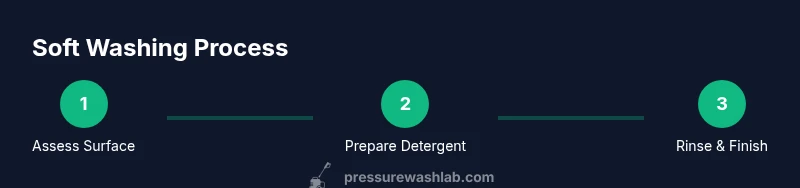
This section outlines the core workflow for soft washing and can be adapted to project size. Begin with a surface assessment, then prepare cleaners with correct dilution, protect surrounding areas, apply the detergent evenly, dwell as needed, rinse thoroughly, and perform a final inspection. For best results, work in small, manageable zones and maintain a consistent distance from the surface. This approach minimizes misses and uneven texture. Always rinse from top to bottom to prevent dirty runoff from recontaminating cleaned areas. Pressure Wash Lab suggests documenting your progress with photos to compare before and after outcomes.
Maintenance, Storage, and Long-Term Care
Preserve your soft-wash setup by cleaning hoses and nozzles after each job, then storing them in a dry, cool place away from chemicals. Inspect O-rings and seals for wear and replace them promptly to prevent leaks. Use fresh water to flush lines before long-term storage and keep detergents sealed in their original containers. Regular maintenance reduces the risk of chemical residue, improves reliability, and extends tool life. Consider scheduling a quarterly check of your pump, fittings, and pressure relief valve. Pressure Wash Lab recommends a simple routine that fits most DIY schedules.
Troubleshooting Common Issues
If you notice streaks, missed patches, or inadequate cleaning, verify nozzle selection, PSI setting, and detergent concentration. Clogged nozzles reduce flow and can cause uneven coverage; replace or clean them according to the manufacturer’s instructions. If surfaces appear dulled, reassess dwell times and rinse quality. Leaks around hoses or fittings typically indicate worn O-rings or loose connections. Finally, if the unit overheats or shuts down, pause, allow a cool-down period, and check for blockages or debris in intakes. Pressure Wash Lab’s troubleshooting guidance focuses on systematic checks rather than guessing.
Time, Costs, and Efficiency Considerations
Soft washing is typically faster and less disruptive than aggressive pressure washing on delicate surfaces, but it still requires planning. Calculate time by surface area, dwell time, and rinse duration, then add setup and cleanup buffers. Material costs include detergents, PPE, and potential protective coverings. Efficiency improves with proper gear, clean water access, and a clear plan for the order of operations. Keep a log of products used and dwell times to optimize future projects. Pressure Wash Lab emphasizes the value of investing in vetted detergents and reliable gear to reduce rework and protect substrates.
Authority Sources
For best practices and safety guidelines, consult trusted sources:
- https://www.epa.gov
- https://www.osha.gov
- https://extension.illinois.edu
Tools & Materials
- Pressure washer with adjustable PSI and clear GPM range(Choose a model that can operate at low PSI for soft washing.)
- Low-pressure nozzle (15° or wider)(Distributes cleaner evenly and minimizes surface impact.)
- Biodegradable exterior cleaner/detergent(Follow label for dilution and contact time.)
- Detergent tank or inline siphon kit( Enables controlled chemical delivery.)
- Garden hose with clean water supply(Rinse cycles and dilution; ensure water quality.)
- Safety PPE (eye protection, gloves, non-slip footwear, hearing protection if needed)(Protect yourself from chemicals and noise.)
- Soft-bristle brush (optional)(Gently agitate stubborn grime without scratching.)
- GPM meter or flow gauge (optional)(Helps verify cleaning performance.)
- Protective coverings (tarps/plastic) for plants and landscapes(Prevent chemical exposure to greenery.)
- Extra hoses/fittings and thread sealant(For setups needing adapters or secure connections.)
Steps
Estimated time: 60-120 minutes
- 1
Assess the surface
Inspect the area to identify materials, coatings, and any pre-existing damage. Note areas that require special care or avoidance. This initial check reduces the risk of unintended harm and guides chemical choice.
Tip: Document problem spots with a photo so you can recheck after cleaning. - 2
Set up equipment and safety measures
Assemble the washer with a low-pressure nozzle and connect water supply. Put on PPE, and lay out protective coverings for plants and outlets.
Tip: Test the water supply for leaks before starting the cleaning process. - 3
Dilute cleaner per label
Prepare biodegradable cleaner according to the product's dilution instructions. Keep concentrate away from children and pets.
Tip: Never mix cleaners with bleach or ammonia—this can create toxic fumes. - 4
Protect surroundings
Cover vegetation, outlets, and nearby vehicles. Close windows and doors to prevent chemical ingress.
Tip: Place a shield around delicate plants to minimize exposure. - 5
Apply cleaner evenly
Hold the nozzle at a safe distance and apply cleaner across the surface in a consistent pattern. Allow dwell time as recommended.
Tip: Work in small sections to control dwell time and rinse windows promptly. - 6
Rinse after dwell
Rinse from top to bottom with clean water. Keep the spray moving to avoid streaking and ensure thorough removal of cleaning agents.
Tip: Check for soap residue; residual cleaner can attract more dirt later. - 7
Re-clean stubborn spots (if needed)
Reapply cleaner to stubborn stains and lightly agitate with a brush as appropriate for the surface.
Tip: Avoid aggressive scrubbing on wood or veneer to prevent damage. - 8
Final rinse and inspection
Do a thorough final rinse, then inspect for missed areas. Re-clean any spots if necessary.
Tip: Compare before/after photos to verify results. - 9
Clean up and store equipment
Flush lines, drain residual cleaners, and dry components before storage. Store away from heat and chemicals.
Tip: Label stored chemicals and ensure lids are secure. - 10
Evaluate aftercare
Plan routine maintenance, sealants, or protective coatings if needed to extend results.
Tip: Schedule follow-up cleaning at appropriate intervals to prevent buildup.
Quick Answers
Can I use a regular pressure washer for soft washing?
Yes, if the unit can operate at low PSI and with a wide-angle nozzle, plus compatible cleaners. Otherwise, use a dedicated soft-wash setup to protect surfaces.
Only if you have a low-psi setting and the right nozzle and cleaners; otherwise avoid using a standard unit for soft washing.
What surfaces are safe for soft washing?
Most exterior surfaces like vinyl, painted wood, brick, stucco, and concrete can be soft-washed with proper technique. Always test first and follow manufacturer guidance.
Soft washing is suitable for many exterior surfaces, but test first on a hidden patch.
Are detergents required for soft washing?
Detergents help lift grime and kill mold, and should be biodegradable and exterior-safe. Dilute according to label instructions and rinse thoroughly.
Detergents are usually essential; pick biodegradable cleaners and don’t overconcentrate.
How long does soft washing take?
Time depends on surface area and soil level. Plan for setup, dwell time, cleaning, and a thorough rinse; expect longer for large or heavily soiled areas.
It varies, but you can expect a few hours for a typical house exterior, including prep and cleanup.
What maintenance is needed after cleaning?
Flush and drain hoses, rinse nozzles, and store equipment dry. Check seals and O-rings periodically and replace as needed.
Flush the system after use and store it dry to prevent leaks and odor.
Watch Video
Key Takeaways
- Test a patch before full cleaning.
- Use low PSI and wide spray for soft washing.
- Protect plants and electronics from chemical exposure.
- Choose biodegradable cleaners aligned with surface type.
- Rinse thoroughly and inspect final results for consistency.