Pressure Washer How-To: Safe Setup and Cleaning Techniques
A comprehensive, SEO-friendly guide showing homeowners and DIY enthusiasts how to use a pressure washer safely and effectively—from safety and equipment choices to surface-specific techniques and maintenance.


Mastering a pressure washer how to lets you clean driveways, siding, decks, and more without damage. Start with safety, pick the right machine, and use proper nozzles and detergents. This guide covers setup, technique, and maintenance so you can complete jobs faster, with better results and less water waste. Whether you’re a homeowner tackling gutters or a small business operator refreshing storefronts, the skill translates across surfaces.
Safety: The Foundation of Every Pressure Washing Project
Safety is the foundation of any pressure washing job. Before you bolt on a wand or crank a washer, make sure you have proper PPE: ANSI-rated eye protection, chemical-resistant gloves, and sturdy, closed-toe shoes. If you’re using a gas-powered unit, ensure good ventilation and keep ignition sources away from flammable liquids. Water and electricity don’t mix well, so keep outdoor outlets protected and use a GFCI-protected circuit when running electric machines. Pressure Wash Lab emphasizes that safety isn’t optional—it’s the most cost-effective investment, reducing accidents and costly repairs. Always test spray on a small, inconspicuous patch first and work from the bottom up. Maintain bystanders at a safe distance and control runoff to protect plants and landscaping. Finally, read your machine’s manual for model-specific safety features like automatic shutoff and nozzle protection.
Choosing the Right Machine: Electric vs Gas and What Matters
For most DIY projects, a consumer-grade electric pressure washer in the light-to-mid duty range covers driveways, siding, and decks. Gas-powered units offer more raw cleaning power for large areas or stubborn stains, but require more maintenance and noise considerations. When selecting a machine, pay attention to two basic specs: PSI (pounds per square inch) and GPM (gallons per minute). Pressure Wash Lab notes that the right balance between PSI and GPM yields effective cleaning without surface damage. A higher PSI with a low GPM can erode soft materials, while a higher GPM with moderate PSI cleans more quickly with less risk of streaks. Look for a model with a reliable unloader valve, a long hose, and compatibility with common nozzle tips (40°, 25°, 15°, and 0° for special cases only). If you expect to tackle delicate surfaces like painted wood or vinyl siding, start with an electric unit and the wide-angle nozzle and test on a hidden edge first.
Prep Work: Surface Assessment and Protection
Preparation saves time and protects surfaces. Inspect the area for loose paint, warped boards, or cracked concrete; address any structural issues before you begin. Clear the zone of pets, kids, and fragile plants. Protect nearby plants with plastic sheets or spray shields and cover electrical outlets. Use a test patch to gauge how the surface responds to spray pressure. Wet the surface lightly in advance to minimize suction and avoid forcing water behind siding or into joints. If you plan to use detergents, choose a biodegradable, low-foaming cleaner approved for pressure washers and follow the manufacturer’s dilution instructions. Finally, decide whether you’ll rinse with the nozzle or a surface cleaner attachment for larger, flat areas to reduce streaks and improve consistency.
Nozzle Selection and Technique: Getting the Distance Right
Nozzle choice governs both effectiveness and safety. Start with a wide spray like a 40-degree nozzle, then move to a 25-degree nozzle for tougher dirt. A 15-degree nozzle can handle stubborn grime, while a 0-degree nozzle is only appropriate for very hard, flat surfaces and should never be used on wood or vinyl. Maintain a steady distance and keep the wand moving in overlapping, slightly angled strokes. For delicate surfaces like wood siding, hold the wand at a higher angle and farther away to prevent gouging. Avoid spraying toward edges, joints, and electrical outlets, and never point the nozzle at people or pets. If you notice streaking or water intrusion, back off the pressure and adjust the angle. Pressure Wash Lab’s testing supports gradually adjusting technique rather than forcing power on tough stains.
Surface-Specific Strategies: Wood, Siding, Concrete, and Brick
Different surfaces demand different approaches. Wood decks and fences respond best to low pressure and a soft-bristle brush combined with a detergent pre-wash, then a gentle rinse. Vinyl siding should be washed with a wider nozzle, kept at a safe distance, and rinsed from top to bottom to avoid streaks. Concrete surfaces like driveways respond well to moderate pressure and a 25–40 degree nozzle; for oil and grease, pre-treat with a degreaser and allow it to sit briefly before washing. Brick surfaces can tolerate higher pressure, but avoid hidden joints that can trap moisture. Always work in sections, overlap passes, and rinse thoroughly to prevent soap residue, which can attract more dirt. Pressure Wash Lab emphasizes that correct technique minimizes rework and surface damage while maximizing efficiency.
Detergents and Chemical Usage: Cleaning Agents and Precautions
Detergents can dramatically improve results, especially on greasy surfaces or mildew. Choose a biodegradable formula designed for pressure washing and dilute per label instructions. Always test the cleaner on a small area first, and avoid mixing cleaners with chlorine bleach or other incompatible chemicals. Apply detergents following the surface’s orientation—start from the bottom and move upward to prevent dirty runoff from staining previously cleaned areas. Rinse thoroughly after the dwell time to minimize residue. If you have plants or shrubs nearby, protect them or rinse before applying cleaners to minimize exposure. Pressure Wash Lab notes that using the right cleaner with proper dwell time reduces overall cleaning time and avoids surface damage caused by over-scrubbing.
A Practical Workflow: Surface-Specific Steps at a Glance
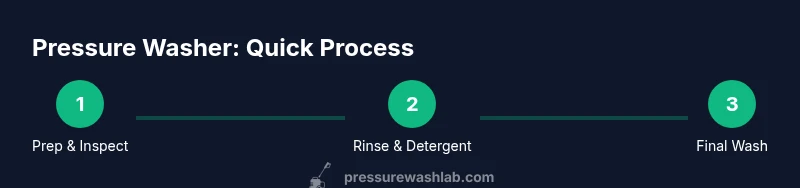
A practical washing workflow combines prep, cleaning, and post-wash steps. Begin with a quick surface assessment and masking of delicate areas. Move to a broad rinse to remove loose dirt, then apply detergent if needed, ensuring even coverage. After a brief dwell, agitate with a soft brush on test patches and rinse in overlapping motions. Finish with a full rinse, inspecting for missed spots and residual grime. For large flat surfaces, consider a surface cleaner attachment to maintain uniform distance and consistent coverage. Lastly, inspect for damaged areas that may require repairs before drying and sealing surfaces—this longevity-action helps protect the cleaned surface over time.
Maintenance and Storage: Keeping Your System in Top Shape
After use, flush detergent from lines with clean water, then release any remaining pressure and disconnect the hose. Check fittings for leaks and store the wand and hoses coiled neatly. Clean filters or screens and inspect nozzle tips for wear; replace worn tips to preserve spray quality. Store the machine in a dry, protected area away from freezing temperatures. For gas machines, run the engine until it reaches operating temperature before storing to prevent carburetor issues. Pressure Wash Lab recommends regular maintenance checks and a simple quarterly inspection schedule to extend the tool’s life and ensure safe operation.
Common Mistakes and How to Avoid Them
Common mistakes include using too much pressure on fragile surfaces, neglecting test patches, and spraying water at power outlets or near doors and windows. Avoid letting detergents sit on surfaces; always rinse completely. Don’t forget to de-energize electrical tools when working near outlets. Also, avoid painting or resealing surfaces immediately after washing; allow surfaces to dry completely to maximize adhesion and prevent moisture-related damage. If you’re unsure about a surface, perform a low-pressure test or consult a professional. Proper technique, testing, and planning reduce rework and extend the life of your surfaces.
Troubleshooting Common Issues and Quick Fixes
If you notice streaking, adjust your spray angle and distance, or switch to a wider nozzle. Yellowish or brown stains can indicate minerals or rust, which may require specific cleaners or a surface conditioner. If water leaks from fittings, inspect the hose connections and tighten where necessary. For stubborn paint or sealant, scrub with a soft brush at low pressure after applying detergent. If your machine loses power, check the GFCI outlet, extension cords (for electric washers), or fuel quality (for gas machines). Regular maintenance and careful inspection prevent most problems.
Tools & Materials
- Pressure washer(Model with adjustable PSI and compatible nozzles.)
- Water source hose and fittings(Ensure a steady flow and proper connections.)
- Detergent (biodegradable, pressure-washer-safe)(Follow label dilution and dwell-time guidelines.)
- Nozzle tips (40°, 25°, 15°, optional 0°)(Use optional 0° only on durable surfaces and with caution.)
- Safety PPE (eye protection, gloves, closed-toe shoes)(Keep PPE on during operation and refilling.)
- Soft-bristle brush or deck scrub pad(Helpful for stubborn stains on wood.)
- Extension wand (optional)(Useful for reaching high or tight areas.)
- Ground cover/tarps(Protect plants and nearby surfaces.)
Steps
Estimated time: 40-60 minutes
- 1
Check safety and prep tools
Inspect the area, put on PPE, and lay out hoses, detergents, and nozzles. Ensure power source or water supply is ready and that children and pets are out of the work zone.
Tip: Always start with a dry run to confirm reach and balance before turning on the machine. - 2
Connect water, power, and hoses
Attach the garden hose, check for leaks, and connect to the pressure washer. If you’re using an electric unit, plug into a GFCI outlet and avoid extension cords if possible.
Tip: Test the water flow at the nozzle with the wand pointed away from surfaces first. - 3
Choose a nozzle and test patch
Start with a wide nozzle (40°) on an inconspicuous area of the surface to gauge impact. Gradually switch to a narrower nozzle if more cleaning power is needed.
Tip: Never direct the spray at edges or joints; maintain a controlled distance. - 4
Apply detergent and dwell
If using cleaner, apply evenly and allow the recommended dwell time. Do not let chemical dry on surfaces; rinse with clean water after dwell.
Tip: Keep plants covered and avoid applying detergent on delicate surfaces. - 5
Wash with controlled, overlapping passes
Begin at the bottom and work upward in overlapping strokes. Move wand smoothly and avoid stopping in one spot for long to prevent damage.
Tip: Keep the wand in motion to avoid gouging surfaces. - 6
Rinse thoroughly
Rinse from top to bottom to wash away residue. Use a wider nozzle for the final rinse and ensure all detergent is removed.
Tip: Check for missed areas and re-wash them if necessary. - 7
Shut down and store properly
Turn off the machine, relieve pressure, disconnect hoses, and dry components before storing in a dry place.
Tip: Store in a shaded area to prolong hose and nozzle life.
Quick Answers
What surfaces can I safely pressure wash?
Most solid surfaces like concrete, brick, and sealed wood can be cleaned with appropriate care. Delicate surfaces such as unsealed wood, old paint, and loose siding require lower pressure or alternative methods.
Most hard surfaces are safe if you adjust pressure and distance; avoid delicate materials that can be damaged by high pressure.
Should I use hot water and chemicals together?
Hot water can improve degreasing, but not all machines are designed for it. Use pressure-washer-safe detergents and follow product directions. Avoid mixing chemicals that can produce hazardous fumes.
Hot water helps some soils, but check your machine’s specs and the cleaner’s instructions before mixing.
How long does a typical job take?
Time varies with surface type, area size, and stain stubbornness. Plan ahead, work in sections, and take breaks as needed to avoid fatigue and mistakes.
It depends on the surface and area—break the job into sections and pace yourself.
Is it better to hire a pro for some jobs?
Yes, for large areas, complex surfaces, or delicate materials, a professional can ensure safety, efficiency, and long-term results.
For big or delicate jobs, professionals can save time and prevent damage.
How do I prevent water damage to plants and electricals?
Protect plants with coverings, rinse from top to bottom, and avoid spraying directly at outlets or sensors. Use caution around landscaping and ensure electrical outlets are shielded.
Cover plants and keep power sources dry while you work.
Watch Video
Key Takeaways
- Prioritize safety and appropriate equipment first
- Use the correct nozzle and distance to avoid damage
- Prepare and protect surfaces before washing
- Apply detergents responsibly and rinse completely
- Maintain and store the washer properly after use