How to Pressure Wash a Patio: A Complete How-To Guide
Learn to clean a patio using a pressure washer with the right nozzle, detergents, safety, and maintenance steps to restore beauty and extend life of concrete, stone, or paver surfaces.


By the end of this guide, you’ll be able to clean a patio effectively using a pressure washer. You’ll choose the right nozzle, protect surrounding plants, test on a small area, and execute a safe washing pattern for concrete, stone, or pavers. Follow the steps below for predictable results today.
Safety and prep for pressure-washer patio
Before you turn on the machine, take a moment to assess the area. Inspect for loose joints, cracked pavers, and trip hazards. Clear furniture and outdoor rugs, and remove planters that could be damaged by splashing water. Protective gear: wear safety goggles, non-slip shoes, and gloves to guard against flying debris. Water and electricity are a dangerous mix; if you’re cleaning near outlets or electrical fixtures, unplug devices or use a GFCI-protected circuit and keep cords away from spray lines. According to Pressure Wash Lab, safety and prep are the foundation of a successful patio wash: rushing a job increases the risk of surface damage and personal injury. Start with a dry run by walking the area and visualizing a consistent wash pattern. This reduces unnecessary passes, saves water, and minimizes wear on concrete, stone, or pavers. Finally, check the weather; avoid windy or rainy conditions that could blow water toward doors or windows. A planned approach improves results and protects your investment in a pressure washer patio project.
Equipment and settings for a patio wash
Choosing the right equipment is as important as the technique. Start with a dependable pressure washer, and have a nozzle assortment ready: wide-angle nozzles for broad cleaning and focused jets for stubborn areas. Maintain a safe distance from the surface and work with a consistent, overlapping pattern to avoid streaks. Use a fluid, adjustable spray that stays at a non-damaging distance; the goal is to lift dirt without gouging joints or eroding mortar. For most patios, a low-to-medium range setting with a broad spray offers the best balance of cleaning power and surface care. If you opt for a detergent, choose one designed for pressure washers and apply per the label. Pressure Wash Lab emphasizes that the right nozzle and distance protect pavers, stone, and concrete while keeping the wash efficient and controlled.
Detergents and cleaners for patios
Not all cleaners are suitable for every patio surface. Start with a neutral or slightly alkaline detergent designed for exterior concrete or stone; avoid caustic cleaners that could discolor or damage finishes. Dilute according to the manufacturer’s instructions and always test a small, inconspicuous area first. For driveways and patios with organic staining, a detergent with enzymatic or degreasing properties can help break down dirt and oils. If you’re rinsing a delicate texture, opt for lighter detergents and a broader spray to minimize abrasion. Always rinse thoroughly after application to prevent residue that can attract dirt or interfere with later sealants. Following a careful detergent protocol is a cornerstone of a durable, long-lasting clean for pressure washer patio projects.
Prep: protecting plants, furniture, and surfaces
Protect nearby plants, furniture, and delicate landscaping features from spray and runoff. Move pots and benches away, cover planters with a plastic sheet, and lay down drop cloths if possible. Seal gaps in doors and windows with weatherstripping or tape to minimize spray intrusion. If your patio has a moisture-sensitive surface, consider using a surface cleaner attachment instead of a direct spray to reduce surface wear. It's essential to turn off exterior lighting and cover electrical outlets to keep them dry. This pre-wash protection reduces the risk of collateral damage and makes the process smoother and safer, especially for a pressure washer patio where multiple materials meet the outdoors.
Washing technique: pattern, distance, and passes
Approach with a deliberate, overlapping pattern. Start from a far corner and work toward the exit to avoid walking on cleaned sections. Keep a consistent distance—typically enough to see dirt lift but not so close as to gouge or erode joints. Move slowly across flat surfaces with steady, sweeping motions, avoiding staying in one spot too long. For textured areas or embedded grime, switch to a narrower spray angle and use light passes to break up dirt before rinsing. If you’re using detergent, apply it evenly and rinse in clean, continuous passes to prevent streaks. Practicing a measured, full-coverage wash will yield a uniform surface finish for your pressure washer patio project.
Common mistakes and how to avoid them
Common errors include holding the nozzle too close, using an overly aggressive spray on soft surfaces, and neglecting pre-clean protection. Do not angle your spray upward toward walls or windows, as splashing water can seep behind siding and into interiors. Over-wetting porous surfaces can force water into cracks and joints. Regularly test a small patch first to ensure color and texture stay intact. Rather than rushing, complete sections methodically, and don’t skip the rinsing step, which can leave detergent residue and attract new dirt. These habits reduce the likelihood of surface damage and ensure the patio remains safe and visually appealing after washing.
Rinsing, drying, and post-cleaning checks
Rinse thoroughly with broad, gentle sweeps to remove all detergent and surface residue. Allow the surface to air-dry or dry with a clean towel in shaded areas to prevent water marks on stone or concrete. Inspect the cleaned area for any missed spots and re-wash as needed, focusing on stubborn patches near grout lines or deeper stains. If you detect streaking, adjust your distance, spray angle, or pass rate and repeat. After drying, reseal or protect the area if you plan to apply a protective coating. This post-clean check ensures a uniform look and helps maintain the patio’s longevity for future seasons.
Handling stubborn stains and textured surfaces
Textured surfaces, such as pavers with sand or brick, can trap heavy grime. For persistent stains, apply a targeted detergent in a small area, let it dwell briefly, and then rinse with a broad spray from multiple angles. When dealing with oil or grease, a degreasing cleaner may be more effective than a generic soap. For brick and natural stone, use a gentler angle and move slowly to reduce sanding and abrasion. If stain removal remains elusive, consider a second pass after drying or consult a professional to avoid damage to the patio surface. This careful approach keeps your pressure washer patio looking its best over time.
Maintenance and storage for a ready-to-use patio system
After cleaning, drain and store your equipment properly. Rinse hoses and nozzles to remove chemical residues, coil cords loosely, and store detergents in a cool, dry place away from direct sunlight. Empty the residual water from the pump and hoses to prevent mold and mildew. Regular maintenance, including inspecting seals and replacing worn nozzles, extends the life of the pressure washer patio system. Keeping your tools organized reduces setup time for future washes and helps you stay ready for seasonal patio upkeep.
Quick maintenance checklist and safety notes
Before you start any wash, ensure all safety steps are in place: wear protective gear, protect nearby plants, and verify that outlets and cords are dry before powering on the unit. Check the nozzle selection and distance to avoid surface damage. Schedule periodic checks of your equipment and replace worn parts promptly. Routine inspection and safe operation keep your pressure washer patio performing well across seasons and prevent avoidable accidents.
Tools & Materials
- Pressure washer(Ensure a unit with adjustable pressure and a reliable safety cord. If electric, use GFCI protection.)
- Nozzle set (0°, 15°, 25°, 40°)(Have multiple angles ready for different surfaces.)
- Garden hose and connectors(Ensure a steady water supply and leak-free connections.)
- Detergent suitable for pressure washers(Choose neutral-to-mild cleaners designed for exterior surfaces.)
- Surface cleaning accessory (optional)(Useful for large, flat areas to avoid line by line passes.)
- Safety gloves(Non-slip gloves to protect hands.)
- Goggles/face shield(Eye protection is essential.)
- Drop cloths or plastic sheeting(Protect plants and furniture from overspray.)
- Stiff-bristled brush(For embedded dirt in grout or textured stones.)
- Sealant or protective coating (optional)(Apply after drying if you plan long-term protection.)
- Cool, dry storage space(Keep equipment ready for next use.)
- Tarp or mat under equipment area(Keeps surface clean while working.)
Steps
Estimated time: 60-90 minutes
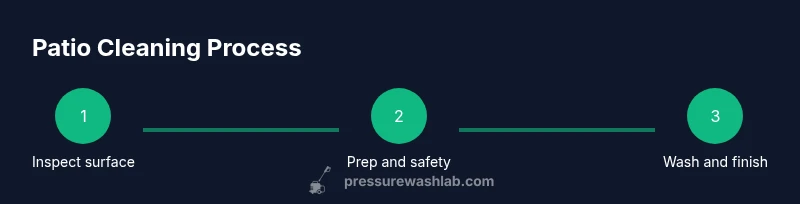
- 1
Inspect and plan the wash
Walk the patio and identify problem areas, faint stains, and sensitive zones. Decide which sections will get the strongest spray and which will require gentler care. Plan your path from farthest corner toward an exit to avoid stepping on cleaned areas.
Tip: Map a path before you start to ensure efficient coverage and minimize rework. - 2
Set up equipment and safety checks
Connect the hose, check for kinks, and power the unit on a dry surface. Verify nozzle selections, ensure the spray pattern won’t reach doors or windows, and test on a small patch first.
Tip: Always test the spray on a hidden spot first to protect color and texture. - 3
Protect surrounding areas
Cover plants, electricity outlets, and furniture. Place drop cloths or plastic sheeting over items that could be damaged. This reduces cleanup time and protects landscaping.
Tip: Secure coverings with weights or clips so they don’t blow away during use. - 4
Apply detergent if needed
Apply detergent to stained or oily areas following label directions. Allow a brief dwell time for the cleaner to loosen grime, then proceed with washing.
Tip: Do not let detergent dry on the surface; rinse residues promptly. - 5
Begin washing with safe technique
Start with widest-angle nozzle and a moderate distance. Use overlapping strokes and work methodically from the far corner toward the exit. Maintain even pressure and avoid lingering on one spot.
Tip: Keep a consistent distance and angle to prevent streaking or pitting. - 6
Rinse and inspect progressively
Rinse sections as you go to prevent soap residue. Pause to inspect; rewash stubborn spots with a different angle or a gentler nozzle if needed.
Tip: Don’t rush; a thorough rinse prevents future staining. - 7
Address stubborn stains
For tough marks, apply targeted detergent and rewash with a controlled spray. Consider a second pass on textured surfaces, but avoid aggressive scrubbing that can wear the surface.
Tip: Patience beats brute force on delicate textures. - 8
Store equipment properly
Drain water from hoses, cap detergents tightly, and coil cords neatly. Dry surfaces and store in a cool, dry place to prevent mildew and corrosion.
Tip: A clean, dry setup reduces maintenance time before the next wash.
Quick Answers
What surfaces can I safely wash with a pressure washer patio method?
Most hard exterior surfaces like concrete, brick, and stone are suitable when using proper angles and distances. Avoid soft materials such as untreated wood or freshly painted surfaces. Always test a small area first to confirm compatibility.
Most hard exterior surfaces like concrete, brick, and stone are safe with proper technique; test a small area first.
Should I use detergent for patio cleaning?
Detergents help loosen oil, moss, and tricky stains. Use a cleaner designed for exterior surfaces and follow label directions. Rinse thoroughly after application.
Detergents can help; use the right exterior cleaner and rinse well afterward.
Can I use a pressure washer on sealed vs unsealed concrete?
Both can be cleaned with a pressure washer, but sealed surfaces tolerate higher spray angles and shorter dwell times. Unsealed concrete benefits from gentler passes to avoid fraying aggregate. Always start with the widest nozzle and light spray.
Yes, but start with gentler spray on unsealed concrete and be mindful of the seal.
What safety precautions are essential?
Wear eye protection, non-slip shoes, and gloves. Keep water away from electrical outlets and use GFCI protection when near electricity. Never spray toward doors or windows, and beware slippery surfaces.
Wear protective gear and keep water away from outlets. Don’t spray near doors or windows.
How often should I wash my patio?
Washing frequency depends on traffic and environment. For high-use patios, consider seasonal cleanings; for low-traffic areas, annual cleanings may suffice. Monitor staining and clean when dirt becomes noticeable.
It depends on use; seasonally or as stains appear is a good rule of thumb.
Is a surface cleaner attachment worth it?
A surface cleaner can speed up large flat areas and reduce streaks, but it’s not essential for all patios. Use it if you have one and the surface is suitable for its attachment.
A surface cleaner helps on large flat areas but isn’t mandatory.
Watch Video
Key Takeaways
- Inspect and prep surfaces before washing
- Choose correct nozzle and maintain distance for each surface
- Use detergents appropriately and rinse thoroughly
- Tackle tough stains with targeted approaches
- Store equipment properly to extend life of tools