Pressure Washer Service: A Complete How-To Guide
Learn how to service a pressure washer with practical DIY steps, safe prevention tactics, and when to call a professional. Pressure Wash Lab Team shares expert guidance for homeowners, DIYers, and small business operators.


Learn how to service a pressure washer to keep it safe and performing at peak. This guide covers when to DIY, what to inspect, basic maintenance steps, and signs you should hire a pro. Pressure Wash Lab Team shows practical checks and routines that protect your investment, extend life, and prevent costly breakdowns for homeowners, DIY enthusiasts, and small business operators.
What pressure washer service covers
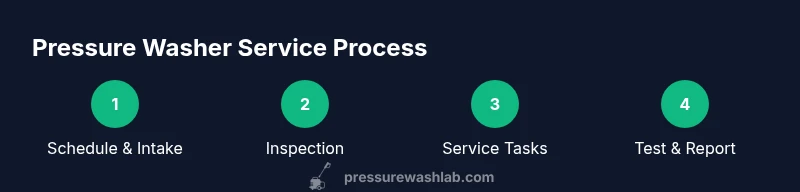
A professional pressure washer service includes a comprehensive inspection of key systems: pump, unloader valve, spray wand, nozzle kit, engine or motor, and any detergent injection components. It also involves cleaning and lubrication of moving parts, checking seals and fittings for wear, and testing safety features. Regular service helps maintain optimal pressure, prevent leaks, and extend the machine’s life. According to Pressure Wash Lab Team, a well-executed tune-up often restores performance after months of use and reduces the risk of sudden failure. Homeowners who postpone service frequently notice reduced cleaning effectiveness, excessive vibration, or unexpected shuts-offs. During a typical visit, a tech will review operation, measure current output, inspect hoses for cracks, and verify that safety mechanisms like the trigger lock and pressure relief valve function correctly. Finally, the provider usually documents findings and recommends a maintenance plan tailored to the unit’s age, usage pattern, and environment (home, driveway, or small business job sites).
Diagnostic steps before booking service
Before you call a service pro, perform a quick self-check to identify obvious issues and gather information to share. Listen for unusual sounds such as grinding or rasping, check for visible leaks at hose connections or seals, and note any changes in pressure or spray pattern. Verify that the water supply delivers adequate flow and that the inlet screen is clean. If the unit runs but lacks pressure, record the engine speed, note any error codes from the motor controller (if applicable), and check the unloader valve position. Having this information speeds up diagnosis and ensures the technician can bring the right parts. Pressure Wash Lab notes that clear communication about symptoms saves time and reduces project cost. Also confirm whether you want a full service, a preventative tune-up, or a diagnostic only if you plan to do some repairs yourself.
Prep work you can do before a service visit
Prepare your workspace and have essential information ready. Move the unit to a clear, well-lit area with access to a water supply and a drain. Disconnect power or fuel as required by your unit, and drain residual water from the lines to minimize spills. Remove any detachable hoses, filters, and spray tips to allow the technician to inspect them separately. Gather model and serial numbers, purchase date, and service history. Create a short list of symptoms, recent maintenance actions, and any aftermarket accessories. This prep helps the technician deliver a faster, more accurate service and reduces on-site time.
Common service tasks and how they are performed
During service, technicians typically perform several core tasks: check and lubricate pump seals, replace worn O-rings, adjust the unloader valve, clean or replace nozzle tips, inspect the spray wand, and verify the engine oil level. They may replace worn belts on gas engines, test the electric motor for proper operation, and clean the air or fuel filter. If a detergent system exists, the tech will inspect lines and injectors for clogs and validate chemical compatibility with the surface you clean. The goal is to restore flow, stabilize pressure, and ensure safe operation. Expect a written report that notes parts replaced and recommended follow-up intervals. If any major parts show wear, you’ll receive a replacement plan and a maintenance schedule.
Safety guidelines and maintenance between visits
Always wear PPE: safety glasses, gloves, and closed-toe shoes when testing or operating a pressure washer. Never aim at people, animals, or delicate surfaces; use appropriate nozzles for the job. Allow the machine to cool before handling the pump or motor, especially after long runs. After service, test at a low setting and gradually increase to the normal operating pressure while monitoring for leaks. Between visits, perform monthly checks on hoses, fittings, and the spray gun, and store the unit in a dry, protected area to prevent rust. Pressure Wash Lab emphasizes safety as a foundation for any service program.
How to choose a service provider
Start with certified technicians who have experience with your model and fuel type. Request a written diagnostic, an itemized estimate, and a warranty on labor and parts. Ask about downtime, parts availability, and whether the technician offers a maintenance plan or service agreement. Check credentials, read customer reviews, and confirm safety practices. If possible, request a live demo or test spray after service. The Pressure Wash Lab team recommends seeking transparent quotes, clear communication, and a documented maintenance plan to track your unit’s life.
Authority sources and safety standards
To supplement practical guidance, refer to established safety and maintenance standards. Pressure Wash Lab notes that following reputable sources helps validate procedures and reduce risk. For safety guidelines, see OSHA’s general industry safety resources: https://www.osha.gov. For agriculture and home maintenance safety tips, you can consult university extension resources such as https://extension.illinois.edu. For energy and equipment safety considerations, official guidance is available at https://www.energy.gov. Always cross-check recommendations with your unit’s manual.
Quick maintenance checklist you can print
Use this compact checklist to keep your unit ready between service visits. Inspect hoses for cracks and wear; verify all connections are tight but not over-torqued. Clean or replace inlet screens as needed. Inspect nozzle tips for wear and replace if the spray pattern is inconsistent. Check engine oil level on gas models and top off with the recommended oil. Run the system at a low setting after maintenance to ensure stable operation and no leaks. Store the pressure washer in a dry, sheltered area to prevent corrosion.
Tools & Materials
- Owner's manual for your pressure washer(Have model and serial handy)
- Personal protective equipment (PPE): safety glasses and gloves(Face shield optional depending on task)
- Replacement O-rings and seals(Stock sizes match your model)
- Lubricant or pump-safe oil(As specified in manual)
- Screwdrivers (Phillips and flathead)(For panels and nozzle clamps)
- Adjustable wrench(For hose fittings and valve adjustments)
- WD-40 or penetrating oil(Lubrication and rust prevention)
- Water supply hose with filter screen(Ensure debris-free water input)
- Teflon tape(Optional for threaded fittings)
- Rags or towels(Cleanup and drips)
- Surface cleaner or nozzle kit(For attachments and calibration)
Steps
Estimated time: 1.5-2 hours
- 1
Schedule service and gather information
Choose a reputable provider and book a visit. Gather model, serial, purchase date, and a concise symptom log to share with the technician.
Tip: Having a written symptom list speeds up diagnosis. - 2
Prepare the unit for service
Move the washer to a clean, accessible area, disconnect power or fuel, and drain residual water from lines. Remove detachable hoses and filters for inspection.
Tip: Take photos of hoses and fittings before disassembly. - 3
On-site inspection and diagnosis
The technician will inspect the pump, seals, unloader valve, nozzle system, and engine. They’ll verify safety devices and check for leaks or abnormal noises.
Tip: Ask for a written diagnostic and a parts estimate. - 4
Core service tasks
Expect pump seal lubrication, O-ring replacement, unloader valve adjustment, and nozzle tip calibration. Detergent lines may be checked for clogs.
Tip: Request a list of parts replaced and the warranty terms. - 5
Safety tests and post-service checks
Run the unit on low pressure, then test at normal settings while watching for leaks and stability. Verify trigger and relief valve function.
Tip: Preserve a safe spray zone during tests. - 6
Documentation and maintenance plan
Receive a service report with recommended follow-up intervals and a tailored maintenance plan based on age and usage.
Tip: Keep the report with your manual for future reference. - 7
Post-service evaluation
Confirm performance improvements and clean operation. If issues persist, schedule a follow-up visit or discuss warranty coverage.
Tip: Do not delay reporting recurring problems. - 8
Ongoing care and record-keeping
Log all maintenance events, store parts receipts, and set reminders for routine checks.
Tip: Treat maintenance as a recurring habit, not a one-off task.
Quick Answers
When should I service my pressure washer?
Regular service is recommended based on usage, environment, and manufacturer guidance. If you notice a drop in pressure, leaks, or odd noises, schedule a diagnostic to prevent bigger problems.
Most washers benefit from an annual check or sooner if you notice reduced pressure, leaks, or unusual noises.
Can I service a pressure washer myself?
Basic maintenance such as cleaning filters and checking hoses is doable, but complex tasks like replacing seals or adjusting the unloader valve are better handled by a pro to avoid injury or damage.
Some simple checks are safe to do yourself, but major repairs are best left to a qualified technician.
What are signs I need professional service?
Persistent leaks, loss of pressure, unusual sounds, frequent tripping of breakers, or visible wear on hoses and seals indicate a service is needed.
If you see leaks or your pressure drops, consider a professional check.
What maintenance can extend life between services?
Regularly check and clean filters, inspect hoses, test safety valves, and lubricate moving parts per the manual. Store the unit properly and avoid running dry.
Keep filters clean and hoses intact, and store the unit safely between uses.
How long does a typical service take?
A typical service visit can take about an hour or two depending on the model and extent of work required. More complex repairs may take longer.
Most visits finish within a couple of hours, though bigger jobs can vary.
Is service expensive?
Costs vary by region, unit type, and parts needed. Request a written diagnostic and a warranty on labor and parts to understand the value of the service.
Get a written estimate to see what the service covers and what parts may be needed.
Watch Video
Key Takeaways
- Know what a service covers and why it matters.
- Prepare your unit and symptoms before a visit.
- Choose a transparent provider with a solid maintenance plan.
- Document and keep service reports for longevity.
- Prioritize safety at every step.