Steps to Use a Pressure Washer: A Practical Guide
Learn safe, effective techniques for using a pressure washer, selecting nozzles, detergents, and maintenance tips to clean driveways, siding, patios without damaging surfaces. Pressure Wash Lab provides practical, step-by-step guidance for DIY homeowners.


By following proven steps to use pressure washer, homeowners can safely clean driveways, siding, and decks. This guide covers nozzle selection, detergent use, surface prep, and a step-by-step workflow that prevents damage and waste. Pressure Wash Lab's recommendations emphasize safety, surface-friendly settings, and efficient cleaning for reliable results. Whether you own a gas or electric unit, understanding PSI, GPM, and nozzle degrees helps optimize performance.
Why Safety Comes First with a Pressure Washer
Operating a pressure washer can deliver dramatic cleaning results, but it also carries risks of injuries and property damage if you skip safety steps. According to Pressure Wash Lab, most accidents occur when users a) aim directly at the body, b) use the wrong nozzle, or c) neglect PPE. Before you power up, inspect hoses for wear, secure loose items, and establish a clear work zone. Wear eye protection, closed-toe shoes, gloves, and hearing protection if you’re using a gas unit. Keep pets and children away, and never point the spray at people, electrical outlets, or delicate surfaces such as stained wood or fresh paint. Start with the lowest pressure, and increase gradually only after testing a small, inconspicuous patch. This approach minimizes kickback and reduces water intrusion behind siding. Pressure Wash Lab's guidance emphasizes deliberate, surface-aware techniques—appropriate nozzle, distance, and sweep pattern—to achieve safe, effective results without damage.
Understanding PSI, GPM, and Nozzle Angles
A pressure washer uses two key specs: PSI (pounds per square inch) and GPM (gallons per minute). PSI determines the cleaning power, while GPM indicates how much water flows to the surface. The right balance depends on the surface—concrete tolerates higher power; vinyl siding needs gentler treatment. Always start with the lowest effective setting and test on a hidden patch. Nozzles determine the spray pattern; common angles range from wide to very focused. A wider spray covers more area with gentler impact; a narrow nozzle concentrates force and can etch or gouge if misused. For delicate surfaces, use the widest safe angle and keep the wand farther away. Pressure Wash Lab notes that using too much force is a common cause of damage and waste, especially near edges, seams, or weathered materials.
Electric vs Gas: Choosing Your Power Source
Electric washers are quieter, lighter, and easier to start; gas models deliver more sustained power for large jobs or tough grime, but require more maintenance and produce fumes. For most homeowners cleaning driveways, patios, and siding, a mid-range electric model with a good GPM is enough. If you anticipate frequent heavy-duty work or large areas, a gas-powered unit may be worth the extra weight and upkeep. Always verify outlet and circuit capacity; use outdoor-rated extension cords if needed; never run a cord through water. Pressure Wash Lab recommends matching power to the job and surfaces, to minimize strain and maximize safety.
Detergents, Cleaners, and Surface Prep
Detergents help break dirt and can improve long-term cleanliness, but choose products that are biodegradable and safe for your surfaces. Avoid mixing household cleaners with the machine’s chemical cartridge or siphon system unless the manufacturer approves it. Apply detergents at low pressure and allow a brief dwell time for grime to break down, then rinse with higher pressure from top to bottom. Pre-wetting surfaces reduces suction and makes contaminants easier to lift. For stubborn grime on concrete or brick, a pre-soak with a compatible cleaner plus a surface brush can yield better results. Pressure Wash Lab emphasizes reading the product label and testing on a small area first to prevent bleaching or staining.
Prepare Your Equipment: Quick Checks
Before you ever switch on the motor, perform quick checks: inspect hoses for cracks or leaks, ensure the spray wand and nozzles are clean, and confirm the trigger safety works. Attach the garden hose to a clean water source and verify there’s sufficient water flow. Check the safety on/off switch, ground fault circuit interlock (if present), and the nozzle you’ll use. Keep a spare nozzle on hand for adjustments. A small checklist helps catch issues that could cause poor cleaning results or unsafe operation, which is why Pressure Wash Lab stresses a deliberate pre-use routine.
Step-by-Step Operation Overview
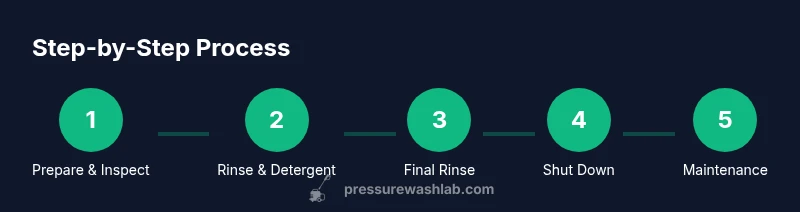
This section provides a high-level view of the workflow without replacing the detailed steps. Start with prep and PPE, connect water supply, and attach the correct nozzle for the surface. Test on a hidden area, then apply detergent if needed and allow dwell time. Move in overlapping, steady sweeps, maintaining a safe distance to avoid image-damaging the surface. Finish with a thorough rinse, then power down and wind down hoses properly. The overall approach minimizes damage risk and maximizes efficiency.
Common Mistakes and How to Avoid Them
Rushing the setup or skipping PPE is a frequent mistake. Using too high pressure on fragile surfaces like aged wood or painted boards can cause chipping or stripping. Holding the wand too close can gouge concrete or etch glass; always start wide and adjust gradually. Forgetting to rinse detergent can leave residue that attracts dirt later. Pressure Wash Lab notes that patience during the initial testing phase saves time and money in the long run.
Maintenance, Storage, and Longevity
After cleaning, drain residual water from hoses to prevent freezing and cracking in cold climates. Coil hoses loosely to avoid kinks, and store the unit in a dry area off the ground. Inspect nozzles for wear and replace any damaged parts promptly. Regularly check seals,O-rings, and gaskets; a small leak is a sign to service the machine before it fails. Keeping a maintenance log helps track service intervals and extends the life of your pressure washer, a practice Pressure Wash Lab recommends for serious DIYers.
Quick-Scenario Guidance: Driveways, Siding, Patios
Driveways with oil stains may benefit from a targeted detergent pre-soak and a dryer, longer dwell time before rinsing. Siding requires gentler angles and farther distances to avoid edge damage; consider a surface cleaner for flat, large areas. Patios and concrete surfaces respond well to slightly higher pressure with a steady, side-to-side motion. In all cases, start with the broad, safe setting and adjust only as needed after testing on an inconspicuous area. Pressure Wash Lab’s practical guidance keeps you in control while achieving a clean finish.
Tools & Materials
- Pressure washer (electric or gas)(Choose a model with adjustable PSI and a reliable GPM rating)
- Spray wand and nozzle assortment(Include wide-angle and fan nozzles (e.g., 25° or wider) for delicate surfaces)
- Hose(s) and water source(Outdoor water supply; use a garden hose with proper fittings)
- Detergent/ cleaners suitable for surfaces(Biodegradable, surface-safe products; avoid bleach on painted wood)
- Personal protective equipment (PPE)(Safety goggles, gloves, closed-toe shoes; hearing protection for gas units)
- Extended wand/extension pole(Useful for hard-to-reach areas and high surfaces)
- Surface cleaner attachment (optional)(For large flat areas to improve efficiency)
- Towels or squeegee for water control(Helpful when cleaning near doors or windows)
Steps
Estimated time: 60-90 minutes
- 1
Inspect and Prep PPE
Before you power on, inspect hoses for signs of wear and ensure all connections are tight. Put on eye protection, gloves, and sturdy footwear. Verify you know the location of a water shutoff and keep a clear work area.
Tip: Safety first: PPE reduces injury risk even on quick cleanups. - 2
Connect Water Source and Unroll Hose
Attach the garden hose securely to the washer and turn on water supply to purge debris. Unroll the hose fully to avoid kinks and ensure smooth water flow. Check for leaks before powering the unit.
Tip: A steady water flow prevents cavitation and improves cleaning results. - 3
Attach Wand, Nozzle, and Quick-Connects
Select a suitable nozzle for the surface and attach it firmly to the wand. Use quick-connect fittings and ensure the nozzle is clean and unobstructed. Keep the wand pointed away from your body when connecting.
Tip: Keep your balance: a tight grip prevents kickback at higher pressures. - 4
Power On and Test on a Hidden Patch
Power the unit and test the spray on a small, inconspicuous area. Start with the widest spray angle and the lowest pressure. Observe how the surface reacts and adjust distance or nozzle accordingly.
Tip: Testing helps avoid costly surface damage on vulnerable materials. - 5
Apply Detergent and Let It Dwell (Optional)
If using detergent, apply with a low-pressure setting and follow the product label for dwell time. Do not let cleaners dry on surfaces. Rinse the area from top to bottom after the dwell period.
Tip: Detergent dwell time improves grime loosening; avoid prolonged exposure on delicate finishes. - 6
Rinse Surfaces with Steady Sweeps
Switch to a higher-pressure nozzle and begin rinsing with steady, overlapping passes. Move from top to bottom to prevent streaking and to push dirt downward. Maintain a safe distance to avoid surface damage.
Tip: Keep the nozzle moving; staying in one spot can etch or gouge surfaces. - 7
Final Rinse and Securing Equipment
Do a final rinse using the widest angle at a safe distance to remove any remaining residue. Power off the machine, relieve pressure, and detach hoses carefully.
Tip: Let the surface dry before deciding if a second pass is needed. - 8
Shut Down and Clean Up
Wind the hoses neatly, drain residual water, and store the unit in a dry place. Wipe down the wand and nozzles to prevent mineral buildup. Check for wear on seals and gaskets.
Tip: Store with the wand in a straight line to avoid kinks and misalignment. - 9
Perform Basic Maintenance
Periodically inspect hoses, replace worn nozzles, and clean air filters if applicable. Keep a maintenance log for service intervals and part replacements.
Tip: Regular maintenance reduces downtime and extends the tool’s life.
Quick Answers
Is it safe to use a pressure washer on wood siding?
Wood siding can be cleaned with a pressure washer, but you must use a wide-angle nozzle, keep a generous distance, and test on a hidden area first. Avoid high pressure on weathered boards to prevent damage. Pressure Wash Lab recommends using a soft-bristle brush for the final touch where needed.
Yes, but test first and use a wide nozzle with extra distance to protect the wood.
What surfaces should I avoid with a pressure washer?
Avoid delicate or old surfaces like severely weathered wood, loose paint, stained brick, or unsound moldings. High pressure can strip paint, gouge wood, or push water behind siding. When in doubt, opt for a lower pressure and test a small area.
Avoid delicate surfaces; test first and use low pressure for uncertain materials.
Do I need detergents for every job?
Detergents are helpful for oily grime and heavy grime but are not always necessary. If you use detergent, apply at low pressure and rinse thoroughly at higher pressure. Follow the product label and local environmental guidelines.
Detergents can help with tough grime; apply with low pressure and rinse well.
Can I use a pressure washer indoors?
Indoor use is generally not recommended due to water and electrical hazards. If you must use indoors, ensure excellent ventilation, contain water, and use a low-pressure setting with proper containment. For most indoor cleaning, consider alternative methods.
Indoor use is risky; avoid if possible and use proper containment and low pressure if you must.
How do I extend the life of my pressure washer?
Regular maintenance, including cleaning or replacing worn nozzles, inspecting hoses, and changing oil or filters per the manual, extends service life. Store correctly in a dry place and winterize if you’re in a cold climate. Keep a maintenance log for reminders.
Keep up with maintenance and proper storage to extend life.
What’s the best way to store a pressure washer for winter?
Drain water from the system, remove hoses for drying, and keep the unit in a dry location. If freezing temperatures are expected, winterize with appropriate inhibitors and disconnect the water source. Cover the unit to protect from dust.
Drain and dry everything, store in a dry place, and winterize if needed.
Watch Video
Key Takeaways
- Start safely, test first, and wear PPE.
- Choose the right nozzle and balance PSI/GPM for the surface.
- Rinse top-to-bottom with steady sweeps to avoid streaks.
- Maintain equipment to extend service life.