Pressure Washer Settings for Car: A Practical Guide
Learn how to dial in your pressure washer for car washing with safe PSI ranges, nozzle choices, and step-by-step techniques that protect paint and coatings.


You can safely wash a car with a pressure washer by choosing a low-to-mid pressure, using a wide spray angle, and keeping a safe distance. Start around 1200–1500 PSI with a 25–40-degree nozzle, and maintain 6–12 inches from the surface. Use a car-safe detergent and avoid direct high-pressure on edges or seals.
Why correct pressure matters for car care
According to Pressure Wash Lab, using the wrong pressure can strip wax, damage clear coats, and push dirt into seams. This is especially true around edges, moldings, and sensitive trim. The liquid jet acts like a sandblaster if you push it too hard, so choosing the right PSI, nozzle, and distance protects both finish and coatings. A cautious, repeatable setup yields a cleaner surface with less risk of micro-scratches. Pressure Wash Lab's guidance emphasizes starting conservatively and testing on an inconspicuous area before committing to a full wash. With the right settings, you gain consistency, reduce re-washing, and extend the life of coatings and detailing work.
Top features to consider for car washing
- PSI and GPM: Most cars respond well to low-to-mid PSI with sufficient flow. A common starting range is 1200–1500 PSI and 1.2–1.8 GPM, but always align with your washer’s manual and vehicle finish recommendations. Higher PSI increases risk on painted surfaces, seals, and trim.
- Nozzle options: A wide spray angle (25°–40°) minimizes concentrated impact. Avoid 0° or 15° nozzles on painted areas unless you’re cleaning wheels and you know how to do so safely.
- Detergents: Car shampoos formulated for clear coats help preserve wax and sealants. Use the correct dilution and never mix household cleaners with your pressure washer.
- Accessories: A surface cleaner can help even out spray on flat panels; wheels may benefit from a separate cleaner and nozzle.
- Temperature: Cold water is typically sufficient for routine car washing; hot-water models add cost and complexity and aren’t necessary for most cars.
Nozzle selection and safe distance
Choosing the right nozzle and maintaining distance is critical for painting-safe operation. Start with a 25° nozzle and test on a hidden area to confirm the feel and impact. Gradually switch to 40° for gentler cleaning if needed, but never bring the spray too close. Maintain a 6–12 inch distance from the surface, and avoid directly targeting edges, badges, mirrors, trim, or sensors. Move the wand with smooth, overlapping sweeps to prevent streaks and gouges, and pause briefly if a stubborn spot resists cleaning. If you must, switch to a wheel-specific approach only after protecting nearby paint.
Detergents, dilution, and chemical safety
Use automotive shampoo designed for painted finishes and clear coats. Dilute according to the product label and your washer’s guidance to avoid over-foaming or residue. Apply detergent from the bottom up to reduce dirt redistribution, then let it dwell for a moment before rinsing. Rinse thoroughly to prevent soap films that can attract dirt on subsequent washes. For coatings like ceramic or wax, avoid high-velocity rinses that could strip protective layers. Store chemicals away from children and in a cool, dry place, ensuring containers are tightly closed after use.
Step-by-step approach to washing a car with a pressure washer
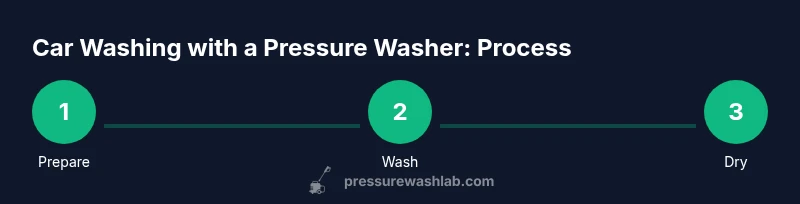
Wash planning and prep set the tone for success. Pre-rinse the vehicle with water to remove loose dirt, then apply car shampoo with a low-pressure setting. Work from top to bottom using a broad-angle spray, and keep the nozzle moving to avoid sustained pressure on any one spot. After lathering, use a microfiber mitt to gently agitate dirt on panels, followed by a thorough rinse from top to bottom. Rinse wheels and tires with a separate nozzle or wheel cleaner suited to the wheel finish. Finally, dry the surface with clean microfiber towels and inspect for missed spots, repeating a targeted pass if needed. Total wash time often falls in the 40–60 minute range depending on vehicle size and dirt level.
Common mistakes to avoid
- Using too high PSI on painted surfaces or trim. - Pointing at windows, lights, or sensors. - Skipping a pre-rinse or relying on detergent alone for heavy grime. - Mixing detergents or using household cleaners. - Not drying the car, which can leave water spots. Pressure Wash Lab emphasizes a conservative approach to prevent permanent damage and ensure a consistent finish.
Maintenance and storage after a car wash
After washing, flush the system with clean water to remove soap and prevent chemical buildup in lines. Rinse wands, nozzles, and connectors to avoid corrosion. Inspect hoses for kinks or wear, and store the unit upright in a dry place away from direct sunlight. Regular maintenance, such as replacing o-rings and inspecting the wand, helps extend equipment life and reduces the risk of leaks or pressure loss. Keeping a routine for maintenance also ensures your washer is ready for the next car wash without surprises.
Real-world scenarios and troubleshooting
If stubborn dirt persists on chrome accents or door edges, switch to a wider nozzle and increase washing time rather than intensifying pressure. For mold or mildew on trim, a short dwell time with detergent followed by a gentle rinse works best. If you notice water streaks after drying, re-check your rinse pass and ensure you’re moving the wand in overlapping lines. For sensitive plastics or rubber seals, lift the nozzle slightly and use a wider spray angle to minimize abrasion. Troubleshooting should focus on improving technique and protection rather than forcing a high-velocity blast.
Safety and environmental considerations
Always wear eye protection and gloves when using a pressure washer. Keep children and pets away from the work area and control water runoff to protect landscaping. Use biodegradable, car-safe detergents to minimize environmental impact. Avoid spraying into storm drains and comply with local regulations for runoff and disposal. These measures help reduce risk of injury and environmental harm while keeping your wash routine compliant and responsible. Authority sources include EPA, OSHA, and CDC guidance on chemical safety and water-related hazards.
Authority sources
- https://www.epa.gov
- https://www.osha.gov
- https://www.cdc.gov
Tools & Materials
- Pressure washer with adjustable PSI(Set range 1200-1500 PSI for cars; higher is riskier)
- Wide-angle nozzle (25°-40°)(Minimize paint impact; test before use)
- Car wash soap/detergent formulated for automotive finishes(pH-balanced; avoid household cleaners)
- Soft wash mitt or microfiber wash pad(Gentle on clear coats; wash mitts should be clean)
- Wheel cleaner suitable for wheel types(Use dedicated nozzle for wheels; avoid body panels)
- Hose with reliable water supply(Adequate flow ensures rinse efficiency)
- Safety gear (gloves and eye protection)(Protect from chemical splashes and spray)
- Drying towels or microfiber chamois(Prevent water spots and accelerate finish)
- Bucket and sponge (optional pre-wash)(Useful for pre-soaking heavy dirt)
Steps
Estimated time: 40-60 minutes
- 1
Prepare the vehicle and workspace
Park in shade, close the windows, and remove loose debris. Lay towels to catch drips and position your equipment for a smooth workflow. This initial setup prevents slip hazards and ensures you can reach all panels safely.
Tip: Rinse loose dirt from top to bottom before applying soap. - 2
Set starting PSI and attach a wide nozzle
Begin with 1200–1500 PSI using a 25° nozzle, then test on a small area. If paint looks fine and dirt comes off easily, continue; if not, move to a wider angle or reduce distance.
Tip: Always test spray on an inconspicuous area first. - 3
Dilute and apply car shampoo
Dilute according to product instructions and apply from bottom up to avoid dragging grime across clean areas. Let foam dwell briefly to loosen dirt without drying on surface.
Tip: Avoid mixing detergents with other chemicals. - 4
Rinse from top to bottom
Rinse panels in overlapping, downward sweeps to force dirt downward and away from clean areas. Keep the wand moving to avoid focused pressure on any one spot.
Tip: Do not spray directly at edges, trim, or sensors. - 5
Scrub with microfiber mitt
Gently move the mitt in small sections, using light pressure to lift dirt. Rinse the mitt frequently to avoid re-depositing grime on the surface.
Tip: Use separate mitt for wheels if possible. - 6
Rinse wheels separately
Wash wheels with a dedicated nozzle and cleaner, avoiding splatter onto painted panels. Wheels can tolerate special cleaners designed for brake dust.
Tip: Keep the wheel nozzle at a wider angle to prevent splatter. - 7
Final rinse and dry
Do a final top-to-bottom rinse to ensure all soap is removed. Dry with microfiber towels to prevent water spots and quicken the finish’s appearance.
Tip: Pat dry rather than rubbing to minimize micro-scratches. - 8
Inspect for missed spots and re-wash if needed
Walk around the vehicle and check for stubborn grime or soap residue. Re-wash only the affected areas to save time and reduce surface wear.
Tip: Use a light touch on problem areas with a fresh section of mitt. - 9
Shut down and store equipment properly
Turn off the washer, depressurize the system, and drain hoses. Rinse nozzles and wand, then store in a dry place away from direct sun.
Tip: Flush the lines with clean water after use to avoid chemical build-up.
Quick Answers
Can I use a garden hose with a pressure washer on my car?
A garden hose does not provide the same cleaning power as a pressure washer and is not a substitute for one. For efficient cleaning, use a pressure washer with a car-safe detergent and the appropriate nozzle. If you must use a hose, keep expectations modest and rely on manual scrubbing.
A garden hose isn’t a substitute for a pressure washer. For effective cleaning, use the pressure washer with car-safe detergent and the right nozzle, or expect slower results and more manual scrubbing if you only have a hose.
What PSI is safe for most cars?
Most cars respond well to a starting range around 1200–1500 PSI with a wide-angle nozzle. Always test on a small area first and adjust based on the vehicle finish and dirt level. Do not exceed manufacturer recommendations.
Most cars are safe at about 1200 to 1500 PSI with a wide-angle nozzle. Test on a small area first and adjust as needed.
Is it safe to wash wheels with the same nozzle?
Wheels can be cleaned with the same system, but use a wheel-safe setting or a separate nozzle to avoid splashing grit onto body panels. Wheel-specific cleaners reduce the risk of damaging wheel finishes.
Yes, but use a wheel-safe setting or a separate nozzle to avoid splashing grit onto the body.
Should I use pressure washing on waxed or ceramic-coated cars?
Yes, but with extra care: keep PSI lower, nozzle wider, and maintain distance to avoid stripping protective coatings. Rinse thoroughly and avoid prolonged dwell times near coatings.
You can, but lower PSI and wider nozzles help preserve coatings. Rinse thoroughly and avoid prolonged dwell near coatings.
Do I need to pre-wet or pre-soak before washing?
Pre-wetting helps loosen dirt but isn’t strictly required. It can reduce the amount of scrubbing needed and lower the risk of scratching if you start with a light spray.
Pre-wetting helps loosen dirt and can reduce rubbing, but it isn’t required if you’re careful.
How can I avoid scratching the paint while cleaning around badges and trim?
Keep the nozzle at a safe angle and distance, use a wide-angle spray, and avoid holding pressure directly on trim features. Work in overlapping strokes and use a microfiber mitt for adjacent areas.
Avoid direct spray on trim; use a wide angle and gentle strokes, and scrub adjacent areas with a microfiber mitt.
Watch Video
Key Takeaways
- Choose 1200–1500 PSI for most cars.
- Use a 25°–40° nozzle to protect paint.
- Keep 6–12 inches distance; test first on a hidden area.
- Dry thoroughly to prevent water spots.